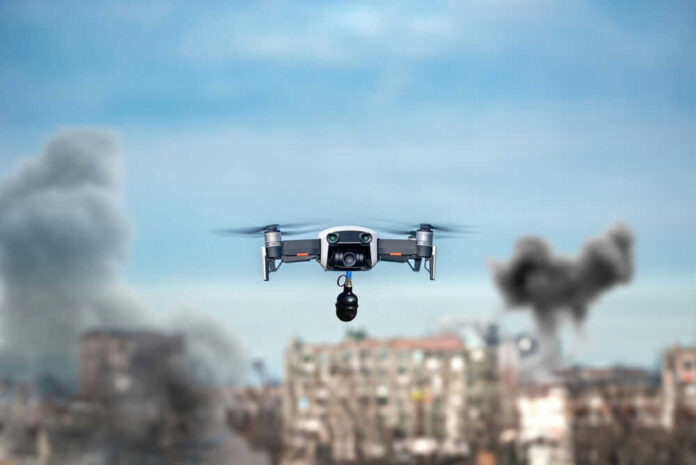
In a move that could spell the end for bureaucratic business as usual in Washington’s war machine, the Pentagon’s new “drone dominance” order is shaking up defense priorities.
At a Glance
- Defense Secretary Pete Hegseth has ordered a massive overhaul of how the Pentagon buys, builds, and deploys drones, aiming to break the grip of slow-moving bureaucracy.
- Billions are being redirected from outdated programs to accelerate UAV production and integration, with a mandate to outpace China and Russia in drone technology.
- The shakeup has ruffled feathers across the Pentagon, sparking fierce internal debate and pushback from entrenched interests.
- Hegseth’s reforms are framed as a return to “warrior culture,” prioritizing lethality, merit, and accountability over legacy politics and pork-barrel spending.
Hegseth’s “Drone Dominance” Mandate Shocks the Pentagon
Secretary Hegseth wasted no time making enemies among D.C. insiders bent on preserving the status quo. Just months into his tenure, Hegseth issued a sweeping directive to fast-track the U.S. military’s drone arsenal, slashing red tape and bulldozing the bureaucratic inertia that’s crippled Pentagon procurement for decades.
The new policy orders the Pentagon to prioritize unmanned aerial vehicles—those high-tech eyes and weapons in the sky—over legacy projects favored by career politicians and lobbyists. It’s a direct challenge to the “business as usual” crowd who treat taxpayer dollars like a private slush fund.
The new order includes streamlined contracts, increased funding for research and development, and a heavy dose of Silicon Valley partnership. Defense industry titans, once fat and happy on bloated contracts for outdated gear, now face stiff competition from nimble tech firms eager to deliver results.
Hegseth’s move comes as adversaries like China and Russia pour resources into their own drone programs, threatening to leapfrog American dominance in the skies. The message is clear: adapt, innovate, or get out of the way.
Reform, Resistance, and the Battle for Control
Within the Pentagon, the reaction has been predictably fierce. Senior officers accustomed to decades of bureaucratic comfort find themselves sidelined or shown the door—casualties of Hegseth’s push for merit, accountability, and a “warrior culture.”
Several top brass have already been fired, sending a chill through the ranks and a message that mediocrity and box-checking will no longer be tolerated. The reforms slash funding for pet projects and shift resources to where they’re needed most: advanced unmanned systems that can outthink, outfly, and outfight any enemy.
Congress, never one to pass up a chance to grandstand, is split down the middle. Some lawmakers finally seem to understand that throwing endless cash at failed programs doesn’t make America safer. Others, no doubt with an eye on campaign donations from legacy contractors, are crying foul over the speed and scope of the changes.
Meanwhile, defense contractors are scrambling to reorganize, lobby, and—if they have any sense—start delivering the kind of innovation U.S. troops actually need. Hegseth, for his part, is unmoved by the whining. As he’s said repeatedly, America can’t afford to fall behind while the world’s bad actors race ahead.
What’s at Stake: Security, Sovereignty, and the Future of U.S. Power
This isn’t just about drones. It’s about whether America’s military can adapt fast enough to keep the homeland secure in an era of technological arms races and global chaos.
A robust, modern UAV fleet means better intelligence, quicker response to threats, and the ability to project power without sending Americans into harm’s way.
But it also means confronting the entrenched interests that have turned Pentagon procurement into a jobs program for the well-connected. Hegseth’s overhaul is already sparking industry innovation, with new contracts going to firms that can deliver real results—fast.
There’s no shortage of critics warning that rapid change could destabilize the defense establishment or lead to ethical dilemmas about automated warfare. But let’s be honest: the alternative is stagnation, waste, and losing America’s edge.
The DoD’s old way of doing business has left the U.S. vulnerable, slow, and dependent on technology that belongs in a museum. Hegseth’s directive is a rare sign of sanity in a swamp that would rather keep spending than actually defend the country. Whether D.C. insiders like it or not, the message is clear: innovate or get left behind.