Your water bill now requires 11.5 hours of minimum-wage labor to pay each month, and the trajectory promises no relief for decades to come.
Story Snapshot
- U.S. household water and sewer bills surged 5.1% in 2025, outpacing inflation by more than double as utilities grapple with century-old infrastructure
- Since 2000, water utility costs have exploded 207% while overall inflation rose just 93%, marking a 25-year pattern of systemic neglect
- Northeast and West residents face the steepest bills at $143-$147 monthly, while Midwest communities endure the sharpest recent spikes from drought and aging systems
- Federal infrastructure funding expires in 2026, threatening to leave low-income and rural Americans vulnerable to water service failures reminiscent of Flint and Jackson
The Hidden Tax in Every Faucet
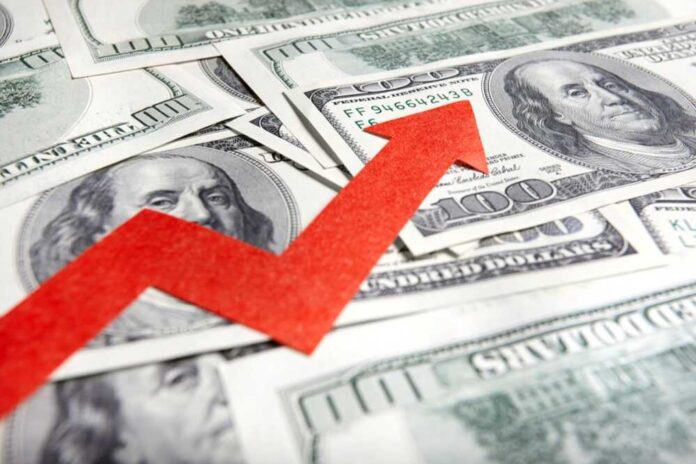
Water bills climbed 5.1% nationally in 2025, according to Bluefield Research’s 50-city index, while general inflation hovered around 2.5%. This gap represents more than statistical noise.
It signals a reckoning decades in the making, as utilities confront infrastructure installed when Woodrow Wilson occupied the White House. Water rates jumped 6.0%, compared with 4.8% for sewer services, driven by supply investments and regulatory mandates for contaminant removal.
The cumulative burden since 2020 reaches 24.2%, compressing household budgets already strained by post-pandemic economics and forcing difficult choices between essential services.
Water costs are rising faster than inflation — and sending bills soaring https://t.co/iCJGRtD5j6
— Leroy James Essel (@EsselLeroy) May 13, 2026
When Pipes Outlive Their Engineers
Much of America’s water delivery system dates to the early 1900s, with pipes that have exceeded their design lifespan by generations. Baltimore utilities reported construction bid increases of 14% and chemical cost spikes of 22% in early 2025. Oklahoma City faced even steeper pressures: electricity costs up 85% and treatment chemicals soaring 155%.
These aren’t isolated incidents but symptoms of systemic decay masked by minimal rate adjustments over decades. Leaks claim 20-50% of water in some jurisdictions before it reaches a single tap, representing both environmental waste and economic hemorrhaging that ratepayers ultimately fund through escalating bills.
Geographic Lottery of Water Access
Regional disparities reveal a troubling pattern. Northeast and West Coast households shoulder the highest absolute costs, at approximately $143-$147 per month, reflecting dense populations and stringent environmental regulations.
The Midwest experienced the sharpest recent increases, particularly during the Q3 2024 drought peak, which exposed vulnerabilities in aging systems serving growing populations.
Los Angeles County residents watched bills climb 60% over the past decade, outstripping inflation and straining fixed-income households. The pattern echoes infrastructure failures in Flint and Jackson, where neglect culminated in public health emergencies that disproportionately harmed communities with the least political leverage to demand accountability.
The Bipartisan Infrastructure Law allocated over $30 billion for water system upgrades starting in 2021, offering temporary relief to utilities desperate for capital.
That funding expires in 2026 without congressional renewal, threatening to strand rural and economically disadvantaged communities mid-upgrade.
Houston utilities tied rate increases directly to inflation indexes, providing transparency but no comfort to households earning minimum wage.
Meanwhile, new PFAS regulations and climate-driven extreme weather events will inevitably increase compliance costs that utilities will inevitably pass downstream to consumers already struggling to reconcile water as both a human right and an increasingly unaffordable commodity.
The Twenty-Year Forecast Nobody Wants
UCLA researchers project water costs will worsen over the next two decades as utilities tackle accumulated infrastructure debt and emerging contaminant threats simultaneously.
Bluefield analyst Megan Bondar bluntly states that there is no indication that the upward trajectory will change, given the collision of regulatory mandates, energy inflation, and deferred maintenance.
The Bank of America Institute documented a 7.1% median payment increase, quantifying what households experience each billing cycle. The solution—massive federal investment paired with affordability assistance for vulnerable populations—requires political will that transcends election cycles and partisan squabbles over spending priorities.
Water costs are rising faster than inflation — and sending bills soaring
The cost of water and related services is rising twice as fast as inflation while utilities scramble to cope with escalating droughts and more intense storms.https://t.co/6aCBvYeCFL
— WATER SYSTEM NEWS 💧💩 (@WaterSystemNews) May 13, 2026
The calculus facing policymakers is stark. Continued underinvestment risks catastrophic failures that cost exponentially more in emergency response, litigation, and public health impacts. Yet aggressive rate increases to fund necessary upgrades price out citizens who cannot simply opt out of water service.
UCLA’s Edith de Guzman frames it as a test of political commitment to the human right to water, a principle easy to endorse in speeches but expensive to guarantee in practice.
Fiscal discipline demands accountability for how utilities spend ratepayer dollars, but penny-wise infrastructure neglect has proven pound-foolish, leaving Americans to wonder why the wealthiest nation cannot deliver clean, affordable water as reliably as it did a century ago.
Sources:
Why water bills have been rising at twice the rate of inflation
L.A. County Water Bills Rising Faster than Inflation, UCLA Luskin Center for Innovation Finds
Study Shows Increasing Cost of Water