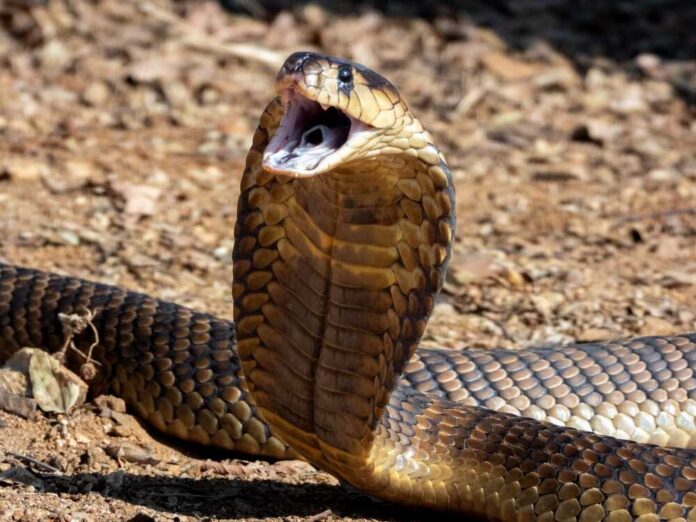
A Bavarian man’s family vacation to Egypt ended in tragedy when a cobra, deliberately placed inside his trousers during a hotel entertainment show, delivered a fatal bite that raises haunting questions about the deadly price of exotic tourism thrills.
Story Snapshot
- A 57-year-old German tourist died after a cobra bit him during a snake-charming performance at a Hurghada resort hotel where the performer placed the venomous snake into his trousers
- The victim suffered cardiac arrest at the scene, received emergency resuscitation, but died shortly after hospital arrival despite medical intervention
- German authorities from Memmingen launched a criminal investigation in collaboration with Egyptian officials, awaiting toxicology results to determine liability
- The incident exposes dangerous gaps in tourist entertainment safety at Red Sea resorts where traditional performances involve direct contact with deadly animals
- No arrests have been made as prosecutors examine whether negligence, inadequate safety protocols, or defanged snake claims played roles in the death
When Entertainment Turns Lethal
The Hurghada hotel show followed a familiar script for Red Sea resort entertainment. A snake charmer performed traditional routines for vacationing families, draping cobras around guests’ necks and shoulders while music played. The 57-year-old Bavarian man, vacationing with his family, participated in what hotels market as authentic Egyptian cultural experiences.
The performance took a horrifying turn when the charmer allowed a cobra to crawl into the tourist’s trousers. The snake bit his leg. Within moments, poisoning symptoms appeared. The victim collapsed into cardiac arrest as his family watched the spectacle transform into a catastrophe.
Tourist dies after being bitten at snake-charming show while on family vacation in Egypt – CBS News https://t.co/6V3MYLNq6K
Follow @NewsHubGlobe for 24/7 breaking news from around the world. pic.twitter.com/Jft1ylxtMe
— News Hub (@NewsHubGlobe) April 29, 2026
Emergency responders resuscitated the man on-site before rushing him to a nearby hospital. Medical teams fought to counteract the cobra’s neurotoxic venom, which attacks the nervous system and causes rapid respiratory and cardiac failure. Their efforts failed. The tourist died shortly after arrival, leaving his family to process an unthinkable loss during what should have been a relaxing vacation.
The incident occurred in early April, but news emerged only in late April when German authorities confirmed their investigation, revealing the weeks of silence that followed the death.
The Ancient Art Nobody Regulates
Snake charming traces its roots to ancient Pharaonic Egypt, where handlers demonstrated mastery over cobras through music and technique. Modern tourism has transformed this street performance art into hotel entertainment, with resorts packaging it as traditional culture for European visitors. Hurghada’s tourism boom created intense competition for memorable guest experiences.
Hotels increasingly feature interactive animal acts, inviting tourists to handle creatures their insurance policies probably never contemplated. The practice persists despite growing global scrutiny of animal tourism and welfare concerns that have led to the shutdown of similar attractions elsewhere.
Cobra venom contains neurotoxins that disrupt nerve signals, leading to paralysis, respiratory failure, and cardiac arrest. Without immediate antivenom administration, bites are fatal within hours or even minutes, depending on the venom quantity and bite location.
The reports provide no indication whether antivenom was available at the hotel or hospital, raising questions about preparation for foreseeable emergencies. Egyptian hotels market these shows as safe, controlled experiences.
The reality of placing venomous snakes in close proximity to untrained tourists contradicts every principle of wildlife safety that responsible operators follow. The gap between marketing promises and actual risk created conditions for this preventable death.
Tourist dies after being bitten at a snake-charming show while on a family vacation in Egypt https://t.co/McI7UBDsLz
— CBS Mornings (@CBSMornings) April 29, 2026
Investigation Crosses Borders and Cultures
The Memmingen Criminal Police Inspectorate and Public Prosecutor’s Office launched an investigation immediately upon learning of the death, coordinating with Egyptian authorities in Hurghada.
Bavarian investigators face jurisdictional complexities when examining events in a foreign country under different legal standards. A police spokesperson confirmed collaboration with Egyptian partners while emphasizing that the snake charmer has not been formally targeted or arrested.
Prosecutors await toxicology results to confirm the venom type, dosage, and whether the cobra’s fangs were intact or removed, a deceptive practice some handlers employ while claiming safety.
The investigation must determine whether negligence occurred and who bears responsibility. Did the hotel vet the performer’s credentials and safety protocols? Did the charmer misrepresent the risks to participants? Were guests informed of genuine danger before volunteering?
German prosecutors carry the authority to pursue justice for their citizens, but enforcement against Egyptian nationals and businesses requires diplomatic cooperation.
The power dynamics favor investigators seeking answers, but Egyptian tourism interests and hotel management control access to crucial evidence and witnesses.
The family, devastated by loss, awaits answers that may determine whether accountability follows tragedy or bureaucracy buries uncomfortable truths.
Tourism’s Dangerous Appetite for Thrills
Hurghada depends economically on European tourists seeking affordable beach vacations with all-inclusive entertainment. Hotels compete by offering increasingly exotic experiences that promise authentic cultural immersion.
Snake-charming shows fit this marketing strategy perfectly, combining tradition with audience participation that creates social media moments. The financial incentives push resorts toward spectacle over safety.
Insurance companies will likely respond to this death by increasing premiums for any establishment featuring wildlife acts, potentially forcing hotels to reconsider risks they currently ignore. The broader tourism sector faces a reckoning about experiential entertainment that prioritizes novelty over guest protection.
This tragedy should prompt immediate regulatory action. Egypt’s tourism ministry must establish enforceable safety standards for animal performances, including handler certification, emergency medical preparedness, and informed consent procedures.
Hotels should face liability for outsourced entertainment that injures guests. The international tourism community must recognize that cultural authenticity cannot excuse negligence.
A Bavarian family traveled to Egypt for relaxation and returned home planning a funeral instead. No vacation memory justifies that outcome.
Sources:
German vacation guest dies during snake charming in hotel – Bluewin
German tourist dies after cobra slithers inside his pants during snake charmer show in Egypt – NDTV
Tourist dies from cobra bite in Egypt after snake charmer let it crawl into his trousers – GB News
German tourist dies from cobra bite in Egypt – The Independent
German tourist dies after being bitten at snake-charming show in Egypt – The Straits Times