A brutal H3N2 flu strain is hitting America hard this season, overwhelming hospitals and hitting families just as President Trump’s Make America Healthy Again agenda takes hold.
Story Snapshot
- H3N2 flu variant spreads rapidly, causing more cases and hospitalizations than typical, especially among seniors and children.
- CDC reports 4.6 million cases and 1,900 deaths already, with intense symptoms like 103-104 degree fevers and vomiting in kids.
- Experts urge flu shots despite a vaccine mismatch, as they still reduce the risk of severe illness; antivirals work if started early.
- Defunded surveillance raises alarms on bird flu threats like H5N1, echoing past government failures in preparedness.
H3N2 Flu Dominates 2025-2026 Season
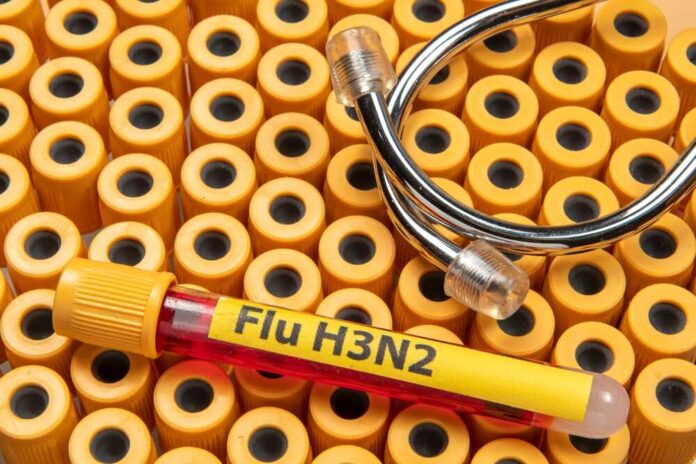
Doctors report that H3N2, a subtype of influenza A, is driving early and severe flu activity across the U.S. Dr. Amanda Kravitz of Weill Cornell Medicine noted more cases than expected this time of year on CBS Mornings.
The virus evolved just enough to evade immune recognition, leading to a higher incidence. Jesse Bloom at the Fred Hutchinson Cancer Center predicts an H3N2-dominated season that will be substantially more severe than average. This strain hits seniors hardest, increasing hospital needs amid overlapping RSV and pending COVID waves.
flu season is ramping up, and some experts are "pretty worried"
https://t.co/93UoQHkuQT— Darius Radzius (@DariusRadzius) December 22, 2025
Vaccine and Treatment Options Remain Key Defenses
Flu shots offer protection despite H3N2 mismatch, experts affirm. Richard Webby of the WHO Collaborating Centre states that the vaccine matches H1N1 and flu B well and that effectiveness persists against severe outcomes.
U.K. data shows 70% initial protection in children, though it fades in adults. Dr. Helen Chu warns that total season effectiveness drops lower due to waning immunity.
Antivirals like Tamiflu and Xofluza work best within 48 hours for high-risk groups, including older adults, children, and pregnant women. Vaccination, hygiene, and early testing form the frontline strategy.
Symptoms Surge and Preparation Urged for Families
CDC tallies 4.6 million flu cases and 1,900 deaths since the season started, including three children. Kravitz describes the rapid onset of high fevers up to 104°F, body aches, cough, and unusual vomiting in kids this year.
The virus spreads quickly through communities. Parents should hydrate their children and contact pediatricians if fevers persist for more than 4 days. Trevor Bedford notes that H3N2 evolves faster, expecting higher incidence and a poorer vaccine match than in typical years.
Dr. Gregory Gray stresses vaccinating animal workers to prevent human-animal virus mixing. Stephen Morse highlights flu’s unpredictability, recalling the 1976 swine flu overreaction, yet advocates annual shots as a precaution against multiple strains.
Bird Flu Risks Amplified by Surveillance Gaps
A first human H5N5 case appeared in Washington state without spread, but experts are monitoring it closely amid fall migrations. Webby calls H5N1 public risk low yet warns a pandemic could dwarf COVID. Chu links rising cases to defunded surveillance programs and reduced monitoring in key areas. Morse demands sustained agriculture oversight, citing past outbreaks in pigs and cattle.
These gaps expose vulnerabilities from prior administrations’ mismanagement, underscoring Trump’s push for efficient, America-first health defenses under Make America Healthy Again.
Overall, limited vaccination rates compound risks this season. Experts like Chu insist it’s not too late for shots, potentially offering cross-protection against H5N1. President Trump’s health initiatives prioritize real preparedness over past bureaucratic failures.