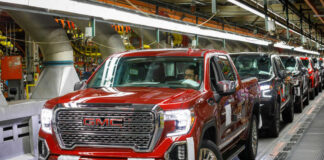

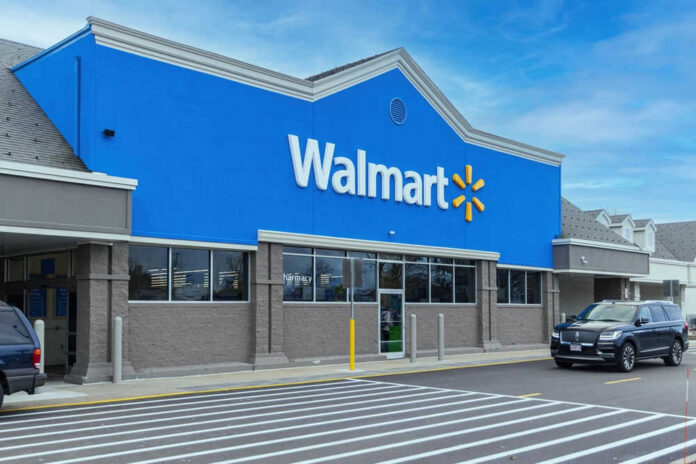
More than 735,000 Pillsbury rolls just got yanked from Walmart bakeries because someone might have baked glass into your dinner roll.
Story Snapshot
- General Mills recalled about 735,840 Pillsbury rolls over possible glass contamination in frozen dough sold to Walmart bakeries.
- The Food and Drug Administration (FDA) labeled it a Class II recall, meaning health risks are real but likely not life-threatening.
- Only two frozen dough products are involved, baked on-site in Walmart bakeries in 19 states.
- No injuries are reported yet, but the recall shows how fragile trust in big food brands can be.
Glass in your dinner roll: what General Mills admits
General Mills says it pulled the alarm in mid-June, quietly starting a voluntary recall of two Pillsbury frozen dough products used in Walmart’s in-store bakeries across the country. These are not cans in your home fridge.
This is bulk dough shipped to stores, thawed, shaped, and baked on site. The company told media it acted “out of an abundance of caution” and that the recall is “limited in scope” and “highly contained”. Those phrases are crafted to calm nerves, not answer every question.
The Food and Drug Administration enforcement report fills in what the press releases tiptoe around. The notice warns the dough “may contain foreign material, specifically glass” and formally lists the event as a Class II recall.
Class II sounds mild, but the FDA’s own language means the product can cause temporary or medically reversible health problems if eaten. That is government-speak for cuts in the mouth, chipped teeth, or internal injury if shards make it past your bite.
What was recalled, and where it was sold
The numbers behind the recall are not small. The FDA report and news coverage show 3,080 cases of Pillsbury Hard Roll Dough, at 180 rolls per case, plus 1,260 cases of Kaiser Roll Dough at 144 rolls per case. Do the math and you get roughly 735,840 rolls baked from this lot.
All of them were bound for Walmart in-store bakeries in 19 states, from California and Texas to Maine and New York. General Mills and Walmart say any baked rolls from the affected dough have already been removed from shelves.
General Mills has recalled more than 735,000 Pillsbury Bread Rolls over possible glass contamination. https://t.co/0MOYCunisB
— NBC Los Angeles (@NBCLA) July 19, 2026
Each case carried “Better if Used by” dates in October 2026 and specific lot numbers that trace back to production runs on June 11 and June 12. That detail matters.
Lot numbers and dates are how investigators follow the trail back through the plant, the equipment, and the shift that may have gone wrong.
So far, neither General Mills nor the FDA has publicly explained how glass got into the dough, or even confirmed that it did. The official language stays with “may contain” and “potential foreign material”.
Why this recall fits a bigger pattern of food safety problems
This case is alarming, but not unique. Food safety guides from the Food and Agriculture Organization and the World Health Organization list foreign matter such as glass, needles, and metal fragments as one of the core reasons food is recalled worldwide.
Industry analysis of baking recalls shows mislabeling and allergen mistakes lead the pack, but foreign materials stay a steady, serious concern for bakeries and snack makers. That means this Pillsbury recall is part of a recurring pattern, not a random freak event.
Modern grocery store bakeries are complex. Dough moves from big factories to distribution centers to store ovens. Workers change products often and handle ingredients from many vendors. That chain raises the odds that something hard and sharp can slip in.
Other recent recalls have pulled millions of baked goods due to bacteria like Listeria and Salmonella, showing how one weak step can ripple across states and brands.
For consumers, the result is simple but troubling: the bread that looks warm and safe at your local store sometimes comes with risks they never see.
Consumers, corporate accountability, and conservative common sense
This story hits two nerves at once. On one hand, you want companies to step up before someone gets hurt. A voluntary, early recall protects families and respects the basic duty of care. On the other hand, vague statements and missing root-cause explanations wear down trust in both corporations and regulators.
When General Mills says the event is “limited” but does not say what happened, people are left guessing. That is how rumors grow.
🚨 #Recall: General Mills is recalling nearly 736,000 Pillsbury frozen bread rolls sold in #Florida and 18 other states due to possible glass contamination. #PoisonHelp: 1-800-222-1222https://t.co/Nhl2hK8Zg5
— FL Poison Control (@FloridaPoison) July 17, 2026
There is no public “Side B” here—no whistleblower saying the recall is fake and no lab report claiming the dough was clean. Media outlets across the spectrum rely on the same FDA enforcement notice and General Mills statements.
That makes this less a fight over facts and more a test of how we expect big food and big government to behave. A healthy system demands sharp tools: clear lot tracking, honest root-cause reports, and recall alerts that reach busy families before dinner is on the table.
Sources:
foxbusiness.com, theguardian.com, instagram.com, wlwt.com, cbsnews.com, ground.news, fda.gov, fao.org, foodbusinessnews.net, thetakeout.com, progressivegrocer.com