
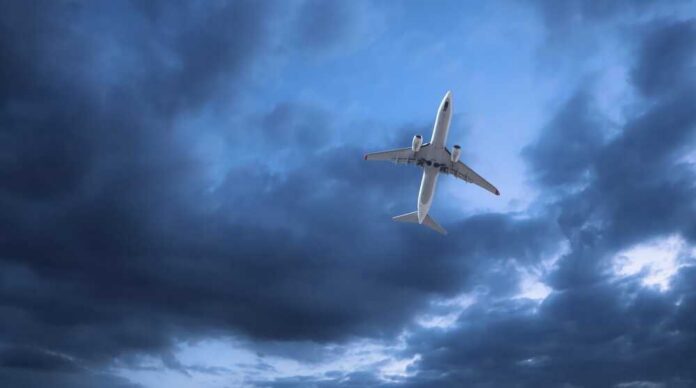
A presidential jet skimmed low over the White House twice on Halloween week, and now Washington wants the paperwork to match the spectacle.
Story Snapshot
- Flight-tracking showed passes roughly 400 to 1,000 feet over central Washington.
- Senator Tammy Duckworth demanded answers on approvals, safety rules, and notice.
- Reagan National paused flights; reports cited hundreds of delays.
- The Federal Aviation Administration said it coordinated the flyover.
What happened over Washington, and why the altitude matters
Flight-tracking services showed a presidential aircraft make two low passes over the White House area, reportedly between about 400 and 1,000 feet, and near the Washington Monument’s height. The flyover occurred during Halloween events. The Federal Aviation Administration said it coordinated the operation, and air traffic at Ronald Reagan Washington National Airport paused briefly to accommodate it. Reports described extensive delays at the airport as a result, with counts rising into the hundreds.
🇺🇸✈️ AIR FORCE ONE gives DC residents one HELL of a Halloween jump scare.
Soaring near roof level, the surprise flyover gave locals an unusually close view right before the White House Halloween party.
Writer: Bri pic.twitter.com/IsXOoCPvHR
— Mario Nawfal (@MarioNawfal) October 29, 2026
Federal rules often require aircraft to keep a buffer above people, structures, and iconic sites. Some outlets framed a 1,000‑foot minimum over Washington monuments as the standard in question, though the specific regulatory citation and any waiver were not published in those reports. Washington sits inside layered security airspace with strict entry, altitude, and routing rules. These include the Washington Special Flight Rules Area and other security procedures that demand advance clearance and strict compliance.
Duckworth’s demands: approvals, notice, and passenger impact
Senator Tammy Duckworth, who serves as the ranking member of the Senate aviation subcommittee, asked the Federal Aviation Administration and the administration to explain how the flight was approved, what rules applied, whether any objections were raised, and how airlines and passengers were considered. She focused on procedure, not theater. She also asked about public notice. Reports said residents received about 15 to 20 minutes of warning, and some people called 911 after being startled by the low passes. One outlet cited a military notice issued that evening, raising questions about timing and reach.
Residents in the capital are used to helicopters and military flights. A large jet running low over the city is different. Clear, timely communication reduces panic and keeps emergency lines free for real crises. That is basic emergency management and basic courtesy to the public. When the government asks citizens to follow rules in restricted airspace, the government should model discipline in how it uses that same airspace.
What the Federal Aviation Administration allows for presidents
Presidential movements receive priority handling by design. The Federal Aviation Administration’s orders explain how agencies coordinate, impose temporary flight restrictions, and adjust airport operations when the president travels. Ground stops at Reagan National are a known tool to keep other aircraft out of the way. That tool by itself does not prove something went wrong. It shows controllers protected the airspace during a special movement. The core question is whether the altitude, routing, and public notice matched the rules and the approvals on file.
Washington’s airspace is not a normal city sky. The Special Flight Rules Area spans 30 miles and adds layers of limits and checks. Operators must file and follow set procedures, use specific equipment, and accept tight routing. Waivers and special missions exist, but they live on paper. When a flight draws attention, the paperwork should be clear, complete, and available to the oversight committees that ask for it. That is how safety culture stays strong.
The competing narratives and what records can settle
The White House framed the flyover as safe and joyful and said the Federal Aviation Administration followed all needed protocols. Media coverage centered on the low altitude, the Halloween setting, and the airport disruption. Both frames can be true: a planned event can still burden a busy airport and unsettle people on the ground. The clean way to reconcile those threads is to release the approvals, the altitude data, and the traffic management directives that governed the passes.
Three records answer almost everything here. First, the authorization chain: who requested the mission, which agencies cleared it, and whether a waiver or special handling covered the altitude and route. Second, the verified altitude and path from Federal Aviation Administration radar and logs, which can confirm the floor and any buffer. Third, the traffic plan and public notice timeline, matched to delay data and 911 call logs. These are routine government artifacts. They should move quickly to Congress.
Sources:
thehill.com, people.com, avweb.com, newsobserver.com, sacbee.com, newser.com, hawaiitribune-herald.com, faa.gov