
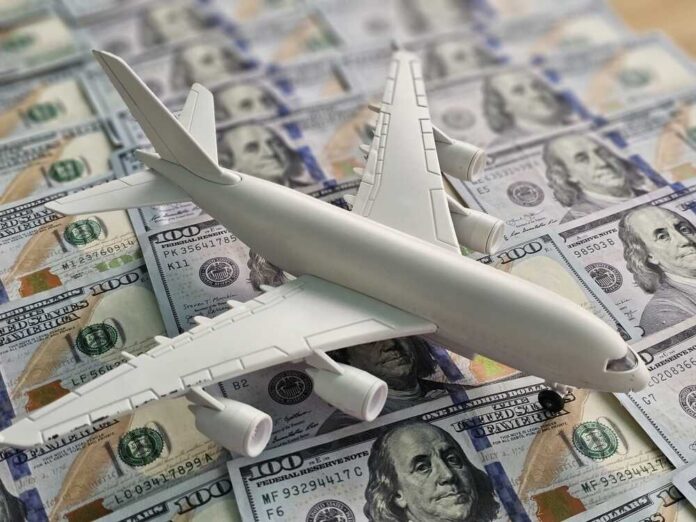
Flying home for the holidays will cost more this year than it has in a decade, and jet fuel is the main reason why.
Story Snapshot
- Holiday airfares are projected to hit their highest levels in at least 10 years, according to Hopper economist Hayley Berg.
- Jet fuel spot prices averaged $4.64 a gallon in October 2026, a new record that topped September’s high, airline trade group Airlines for America reported.
- Average Thanksgiving round-trip fares reached about $800, up 17% from last year, based on AAA booking data.
- Government data showed September airfares running more than 22% above the year before, confirming the jump beyond a single industry forecast.
- Airlines responded by cutting flight frequencies, dropping weaker routes, retiring older planes, and raising bag fees.
Fuel Costs Reach Levels Not Seen In Years
The Argus U.S. Jet Fuel Index climbed to $4.88 per gallon in April 2026 and bounced back up to $4.90 by late October, according to Fox Business reporting. Airlines for America separately logged an October average of $4.64 a gallon, a figure that beat the previous record set just one month earlier. Both numbers point to the same reality. Jet fuel has become dramatically more expensive this year, squeezing airline budgets hard.
Domestic round-trip flights are averaging $800 per person this Thanksgiving — a 17% jump from last year, and apparently enough to push overall holiday travel numbers slightly down. pic.twitter.com/a1PQoubJ59
— Free Citizens (@free_citizens1) November 18, 2026
Fuel does not sit at the edges of an airline’s balance sheet. It sits near the center. Airlines for America says fuel and labor together make up roughly 55% of total operating expenses. Hopper’s Hayley Berg puts fuel alone at 15% to 30% of flight operating costs, with international routes often landing on the higher end of that range. When a cost that large jumps sharply, airlines have few places to absorb it without passengers noticing.
What Travelers Are Actually Paying This Season
AAA booking data shows the average domestic Thanksgiving round-trip ticket costing about $800 this year, a 17% jump from last Thanksgiving. That is not a small bump. It is the kind of increase that reshapes family travel budgets and forces tough choices about who flies and who stays home. Government airfare figures back up the trend on a broader scale, showing September 2026 fares running more than 22% above September 2025.
Airlines did not sit still while fuel costs climbed. Airlines for America reported carriers cutting flight frequencies, dropping routes with thin profit margins, retiring older and less fuel-efficient aircraft, and raising checked-bag fees. Fewer flights mean fewer cheap seats available for budget-minded travelers. AAA-linked reporting confirmed airlines began trimming holiday schedules after fuel prices spiked, shrinking the supply of lower-cost tickets right when holiday demand peaks.
Why Fares Did Not Rise As Fast As Fuel
Here is where the story gets more interesting than a simple “fuel up, fares up” headline suggests. Airlines for America noted that jet fuel has risen more than six times faster than airfares since January. That gap matters. It means airlines absorbed a chunk of the fuel spike themselves rather than passing all of it straight to ticket prices, instead leaning on capacity cuts and new fees to manage the squeeze.
Academic research on airline pricing backs up why that gap exists. Studies of cost pass-through in aviation find that firm-specific cost increases often get passed to customers at rates below 50%, while cost shocks that hit the whole industry at once tend to pass through at higher rates. Competition, route structure, and fuel hedging strategies all shape how much of a spike reaches the traveler’s wallet versus the airline’s bottom line. One widely cited analysis of U.S. carriers found this pattern held steady across legacy, low-cost, and ultra-low-cost airlines between 2000 and 2019, though the degree varied by business model.
The Bigger Picture For Holiday Travelers
None of this changes what travelers face at the airport counter. Higher base fares, fewer discount seats, and added fees are converging at the worst possible time of year for family budgets. The fuel spike traces back partly to geopolitical turmoil that rattled energy markets earlier in the year, adding a layer of uncertainty airlines cannot control through scheduling tricks alone.
What happens next depends on whether fuel prices ease. Hopper’s Berg has said meaningful fare relief would require a real drop in jet fuel costs, not just a leveling off. If fuel prices fall and airlines keep fares high anyway, expect a very different conversation about pricing power once the holiday rush passes and travelers start asking harder questions.
Sources:
foxbusiness.com, wsvn.com, thecooldown.com, apnews.com