
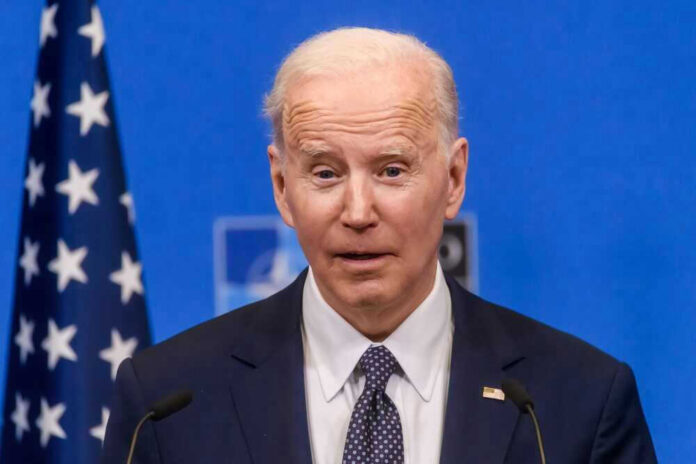
Joe Biden says his son Hunter’s federal gun conviction “took a piece” out of him before he said a single word when he faced President Trump on a debate stage,
Quick Take
- Biden’s new memoir says Hunter’s June 11, 2024 conviction weighed on him heading into the June 27 debate.
- Biden writes it “didn’t feel right from the start” and admits the case “took a piece out of me.”
- Trump brought up Hunter’s conviction on stage, making it part of the live exchange, not just a private burden.
- Biden and his aides had already blamed the bad night on a cold, jet lag, and exhausting over-preparation.
A Memoir Revisits the Worst Night of Biden’s Campaign
In his memoir, “Promise Me, America,” Biden points to his son’s conviction as more than background noise. He writes that exhaustion alone doesn’t explain the debate, saying “something else” was dragging on him that night, and that things felt wrong from the opening question.
Hunter Biden was convicted on three federal felony counts tied to false statements made during a 2018 gun purchase. The jury returned that verdict on June 11, 2024. Sixteen days later, Biden stood across from Trump in Atlanta for the first debate of the campaign.
Biden doesn’t describe the case as political noise he shrugged off. He writes plainly, “They failed to break Hunter. But I would be lying if I didn’t admit that they took a piece out of me.” That is a father speaking about his son’s prosecution, not a candidate deflecting blame for a bad debate.
Trump Raised Hunter on Stage, Turning Private Pain Public
The conviction wasn’t just something Biden carried quietly into the building. Contemporaneous coverage of the debate shows Trump brought up Hunter’s conviction directly after Biden criticized Trump’s own criminal conviction, making the Biden family’s legal trouble part of the live exchange millions watched.
That moment matters because it means Hunter’s case wasn’t an abstract worry sitting in the back of Biden’s mind. It was raised out loud, in real time, by his opponent, during the very debate Biden now says it was already weighing on him before the cameras even rolled.
Biden Gave Other Explanations First, and They Still Stand
Before the memoir, Biden and his team offered a different story. Aides said Biden was fighting a cold that night, which explained his raspy, weak voice. Biden himself later said simply, “Because I was sick. I was feeling terrible.”
Biden also blamed jet lag from back-to-back overseas trips to France, Italy, and California in the two weeks before the debate, plus an intense Camp David prep schedule that one fundraiser said left him “over-coached, over-practiced” and worn down rather than sharpened.
A source close to the preparation process put it bluntly, saying the cram sessions “wore him out and muddled things.” None of these explanations rule out Hunter’s conviction as an added weight. They simply show Biden has pointed to several factors, not one single cause, when explaining that night.
A Family Under Attack Is an Old Story in American Politics
Dragging a candidate’s family into the political arena is nothing new. Attacks on Andrew Jackson’s wife and Bill Clinton’s relatives show both parties have long used family controversy to wound an opponent personally, not just politically.
What’s different here is that Hunter’s conviction wasn’t a smear or a talking point invented by an opponent. It was a real federal jury verdict against the president’s own son, delivered through his own Justice Department, just over two weeks before his father had to perform under the brightest lights of the campaign.
Biden’s critics have reason to be skeptical of a memoir written after the fact, released while he defends a reelection decision many in his own party now openly question. But skepticism about timing doesn’t erase the plain fact pattern: a father’s son was convicted on felony charges, and sixteen days later that father delivered one of the most widely criticized debate performances in modern presidential history. Voters can weigh how much that mattered. They shouldn’t be told it didn’t happen at all.
Sources:
nypost.com, usatoday.com, transcripts.cnn.com, us.headtopics.com, economictimes.indiatimes.com, gmanetwork.com, fortune.com, liberty.edu, academic.oup.com