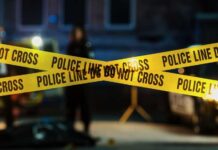


Nine mass shootings across the country left a trail of death, injuries, and unanswered questions about how Americans count these weekends.
Quick Take
- ABC News reported nine separate mass shootings over one weekend, with 9 dead and 60 injured.
- The events spanned eight states, including Colorado, Delaware, Maryland, North Carolina, Oklahoma, Arizona, Tennessee, and Minnesota.
- The Gun Violence Archive defines a mass shooting as an event with four or more victims killed or injured, not counting the shooter.
- Other outlets reported different totals for different weekends, which shows how easily these stories can be confused.
What Happened Over the Weekend
ABC News said at least nine mass shootings erupted across the United States over the weekend, leaving nine people dead and at least 60 wounded. The report tied those shootings to several states and described a nationwide burst of violence that unfolded fast enough to strain any simple headline count.
That is the first trap in this story: the phrase “nine mass shootings” sounds simple, but the numbers depend on who is counting and what they count. The Gun Violence Archive uses a broad standard that includes shootings with four or more people shot or killed, excluding the shooter.
9 dead, 60 hurt in 9 different mass shootings across US https://t.co/Gu9Z5FUVNE
— This Is The Conversation Project (@th_conversation) July 21, 2026
Why the Counts Do Not Always Match
Different outlets have reported different weekend totals in other coverage, including five dead, six incidents, and 12 dead. That does not mean the violence was disputed. It means the public is often seeing overlapping reports, different date windows, and different counting rules at the same time.
RAND says there is no single standard definition of a mass shooting in the United States, and data sources often vary on victim thresholds, location rules, and whether nonfatal injuries count. That one detail explains a lot of the confusion. A weekend can look smaller or larger depending on which database or newsroom is doing the tally.
The Cases That Drew the Most Attention
One of the most disturbing cases came from Shreveport, Louisiana, where police said eight juveniles died in a domestic shooting and the suspect was killed by police.
In Tucson, Arizona, another shooting left nine victims critically injured, and police said the suspect was also critically wounded. Those are not abstract figures. They are the kind of details that stop a community in its tracks.
9 separate mass shootings across US leave 9 dead, 60 injured over the weekendhttps://t.co/Ez8Xy508nt
— Rose PArsons (@lilstuffParsons) July 21, 2026
Minneapolis saw two mass shootings within 24 hours, leaving 14 injured and one dead, according to FOX 9. Austin also drew wide attention after police identified three victims in a bar shooting, while saying more than a dozen others were injured. In stories like these, the names and injury counts matter because they show the human scale behind the raw totals.
What the Missing Details Mean
Several reports said suspect identities had not yet been released in Shreveport, Tucson, and Austin. Minneapolis reporting also said no arrests had been made in either shooting. Those gaps do not weaken the fact that the shootings happened. They do show that early reporting often arrives before police finish the basic work of identification and charging.
That matters because the public wants instant answers, but police work does not move at headline speed. Motives were still unclear in several cases, and some reports described only partial information from investigators. In a fast-moving weekend of violence, the first version of the story is often only the skeleton of the full one.
The Bigger Pattern Behind the Weekend
Research shows that gun violence rises on weekends, holidays, and in summer months. The same pattern appears in mass shooting coverage, where July and August often bring more incidents and the July Fourth period is especially active. That makes a violent weekend in midsummer grim, but not random.
The deeper problem is not just the number of shootings. It is the way Americans keep learning about them through competing counts, partial updates, and definitions that change from outlet to outlet. Common sense says the public deserves better than confusion. It deserves clear numbers, clear timelines, and clear accountability, even when the facts are painful.
Sources:
abcnews.com, theguardian.com, today.com, facebook.com, apnews.com, abcnews.go.com, theconversation.com, pbs.org, pmc.ncbi.nlm.nih.gov, gunviolencearchive.org, youtube.com