
When a sweet treat turns dangerous and potentially deadly, it’s a wake-up call for the food industry and consumers alike.
At a Glance
- The FDA classifies the recall of J.sweets cookies as Class I, the highest risk level.
- Undeclared milk and tree nuts in the cookies pose severe risks to individuals with allergies.
- No illnesses have been reported, but the recall affects consumers in California, Illinois, and Washington.
- The recall was triggered by an internal audit, not consumer complaints.
Critical Recall of J.sweets Cookies
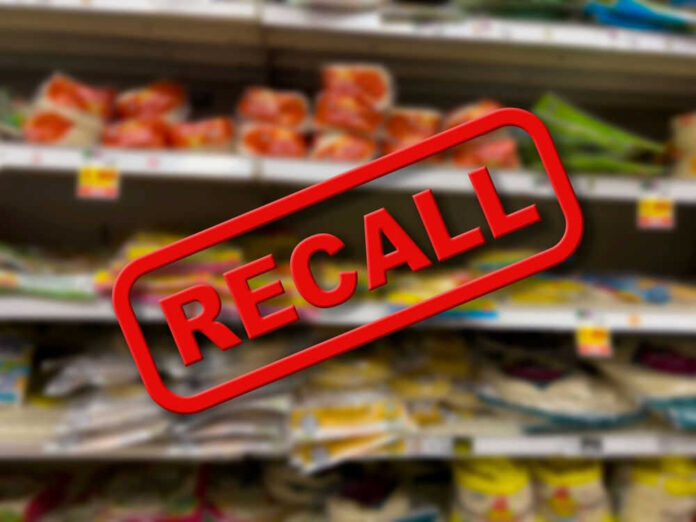
The U.S. Food and Drug Administration has issued a Class I recall for J.sweets L’espoir and Drycapot cookies due to undeclared allergens—milk and tree nuts—that could pose life-threatening risks to allergy sufferers.
This serious recall affects cookies distributed in select states: California, Illinois, and Washington, sold exclusively at J.sweets retail locations. The FDA’s classification underlines the potential for severe health consequences, yet fortunately, no illnesses have been reported to date.
The recall was a proactive measure following an internal audit by Jalux Americas, Inc., the company behind J.sweets.
The audit revealed that the cookie packaging failed to list milk and tree nuts (almond and macadamia nuts) as ingredients, a serious oversight given these are among the nine major allergens that federal law mandates be clearly labeled. This incident highlights the necessity for diligent quality control and accurate labeling in the food industry.
Regulatory Oversight and Consumer Safety
The FDA’s role in classifying and overseeing such recalls is crucial in safeguarding public health. By classifying this recall as Class I, the FDA signals the highest level of risk, which demands immediate action from both the company and retailers to prevent any exposure to consumers with specific allergies.
This recall not only emphasizes the importance of regulatory oversight but also the need for consumers to remain vigilant about the products they purchase and consume.
Food allergies are a significant concern in the United States, affecting approximately 6% of adults and children. The presence of undeclared allergens can lead to severe reactions, including anaphylaxis, which can be fatal. Therefore, the food industry bears the responsibility of ensuring all products are safely manufactured and accurately labeled.
Corporate Accountability and Consumer Trust
Jalux Americas, Inc. has responded by implementing stricter verification measures at its manufacturing facility and enhancing training on allergy awareness and manufacturing procedures.
These steps are necessary to restore consumer trust and ensure such oversights do not recur. The company has also urged consumers with allergies to return the affected products for a full refund and to avoid consumption, reinforcing its commitment to consumer safety.
This recall serves as a stark reminder of the potential consequences of labeling errors and the importance of maintaining rigorous quality assurance practices in food production.
It also stresses the interconnectedness of global supply chains, as these products were imported from Japan, highlighting the need for international cooperation in food safety standards.
Implications for the Food Industry
The long-term implications of this recall could lead to stricter regulatory scrutiny and encourage other companies to reassess their own labeling and allergen management systems.
The economic impact includes potential financial losses for Jalux Americas, Inc. due to refunds and damaged reputation, while socially, it raises public awareness about the critical nature of allergen labeling.
In the political sphere, this incident might prompt discussions on legislative measures to further tighten allergen labeling requirements, ensuring that consumer safety remains a top priority.
As the food industry continues to evolve, it must adapt to these challenges by strengthening its commitment to safety and transparency.