

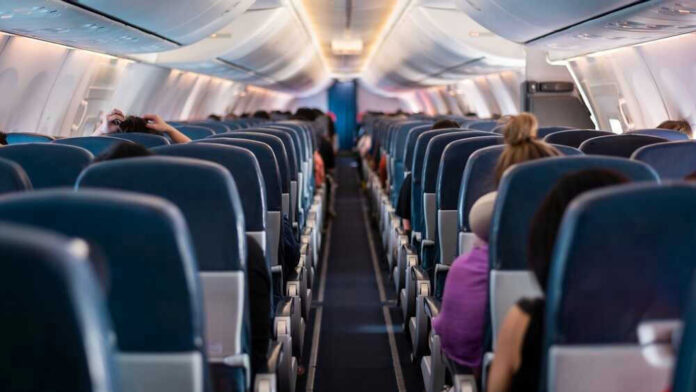
Southwest Airlines is ending its popular two-for-one seat policy for plus-size travelers, forcing affected passengers to pay more.
Story Snapshot
- Southwest will require plus-size passengers to purchase a second seat upfront starting January 27, 2026, reversing its previous customer-friendly policy.
- The second seat will only be refunded if the flight departs with an open seat and both seats are booked in the same fare class.
- This change ends a long-standing industry-leading approach to inclusivity, igniting backlash from advocacy groups.
- Other airlines already enforce stricter, less accommodating policies, and Southwest’s reversal may signal a broader industry shift away from passenger flexibility.
Southwest Rolls Back Customer-Friendly Policy for Larger Travelers
Southwest Airlines has announced it will end its unique “Customer of Size” policy, which had allowed plus-size travelers to reserve a second seat in advance and receive a refund or request an extra seat at the airport at no charge.
Under the new rules, effective January 27, 2026, travelers who require more than one seat must pay for the additional seat up front. The second seat is only refundable if the flight departs with at least one open seat and both seats are purchased in the same fare class.
This marks a significant departure from a policy previously seen as a model for balancing comfort, safety, and customer service.
Before this policy shift, Southwest stood out among major U.S. airlines for accommodating passengers who could not fit within a single seat with the armrests down.
The airline’s customer-friendly approach allowed a second seat to be reserved and refunded, or provided at the airport if needed, without charge.
Advocacy groups and plus-size travelers often pointed to Southwest’s policy as a best practice in an industry notorious for shrinking seat sizes and inconsistent treatment of larger passengers.
The company’s flexibility had set it apart from competitors, many of which already required customers to pay in full for additional seats without the option for a refund or no-cost allocation.
Financial Pressures and Industry Trends Drive Policy Change
Southwest’s decision comes amid ongoing financial pressures and a wave of operational changes, including the end of its open seating model and new checked baggage fees.
Analysts suggest the airline is motivated by cost management and a desire to standardize practices across the industry, reducing what it sees as exceptions to the rule.
By shifting the financial burden onto plus-size travelers, Southwest joins other carriers in prioritizing operational efficiency over unique customer accommodations.
The airline’s move is expected to save money and limit last-minute seat assignments that could disrupt boarding or reduce available inventory for other passengers.
Critics, however, see this as another instance of the airline industry abandoning common sense and basic fairness. Organizations representing larger travelers and disability rights groups have denounced the change as a step backward for accessibility and inclusivity.
Without a customer-friendly policy, affected travelers will now face higher costs and less flexibility, potentially discouraging them from flying altogether.
Southwest’s leadership, meanwhile, maintains that the refund provision—only if the flight departs with open seats—strikes a reasonable balance between operational needs and customer care, though many remain unconvinced.
Broader Impacts: Reputational Risk and Industry Precedent
The policy reversal has already sparked significant backlash from plus-size travelers, advocacy groups, and some loyal customers who valued Southwest’s distinctive approach. In the short term, the airline faces reputational risks, customer frustration, and potential loss of business from those who perceive the new rules as unfair.
Over the long term, this move may influence other airlines to tighten their own policies, reducing flexibility and comfort for all travelers. The controversy is also fueling renewed debate over seat sizing, passenger rights, and the proper role of federal regulation in ensuring fair treatment for all Americans, regardless of size or ability.
With the new policy’s implementation set for early 2026, travelers and advocates continue to voice concerns and demand answers.
While Southwest’s leadership frames the change as necessary for business operations, the outcry underscores a growing divide between corporate decision-makers and everyday Americans who expect reasonable accommodations and respect for individual dignity—values that are central to the conservative vision for limited, yet fair, governance.
Sources:
Southwest Airlines changes rules for plus-size passengers
Southwest Airlines official support page: extra seat policy
Southwest Airlines new policy to affect plus-size travelers