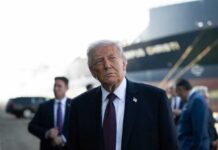

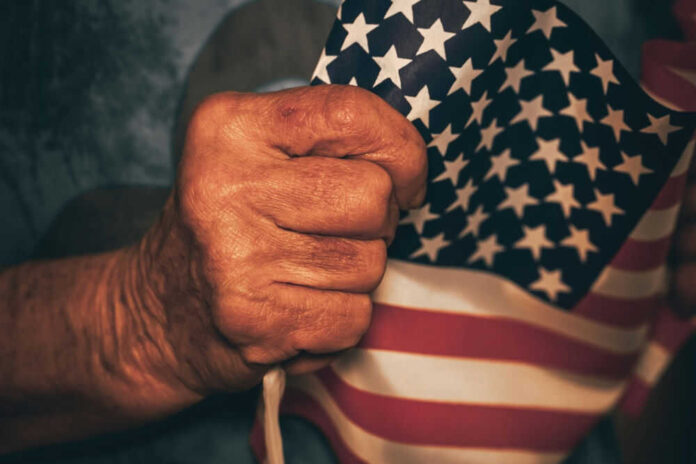
Reigniting fierce debate over free speech and patriotism, President Donald Trump’s new executive order targeting flag burning sends a clear warning: disrespecting the American flag will have serious, immediate consequences.
Story Snapshot
- Trump’s August 2025 executive order directs aggressive prosecution of flag desecration under existing laws.
- The order enforces strict immigration consequences for foreign nationals involved in flag burning.
- This policy challenges decades of Supreme Court precedent defending flag burning as protected speech.
- Legal and social battles are intensifying over the boundaries of free speech and national respect.
Trump’s Executive Order: A New Era for the American Flag
President Donald Trump signed a sweeping executive order instructing the Justice Department to prioritize the prosecution of individuals who burn or desecrate the American flag.
Framing the act as a direct threat to national unity and public safety, Trump’s order does not create new federal crimes but instead commands federal agencies to enforce existing laws to their fullest extent.
The move is intended to restore dignity to the flag—a symbol that many Americans feel has been under attack in recent years by leftist activism and so-called “woke” protests that openly defy traditional American values.
For Trump’s conservative base, this order represents a long-awaited victory after years of frustration with liberal policies and judicial decisions that have, in their view, eroded respect for national symbols.
The order also targets foreign nationals, directing federal agencies to deny immigration benefits and pursue deportation for those found guilty of flag desecration.
This immigration-focused provision sets the policy apart from previous efforts and signals a broader crackdown on actions deemed un-American or hostile to core national identity.
By tying patriotism directly to legal consequences, the administration has raised the stakes for acts of protest that were previously shielded by First Amendment interpretations.
Legal Challenges and Supreme Court Precedent
Legal scholars and civil liberties advocates immediately questioned the order’s durability, pointing out that Supreme Court decisions such as Texas v. Johnson (1989) and United States v. Eichman (1990) have long protected flag burning as a form of free speech.
The executive order explicitly seeks to push these boundaries by instructing the Justice Department to pursue litigation that could clarify or even narrow First Amendment protections for acts of flag desecration.
While Trump’s directive leverages existing statutes rather than creating new crimes, any attempt to prosecute peaceful protestors for flag burning is likely to ignite a new round of judicial review, potentially landing back before the Supreme Court.
Trump’s order also instructs federal agencies to refer certain cases to state or local authorities, maximizing the reach of enforcement. Critics warn this creates a patchwork of legal risks and could result in uneven or politically motivated prosecutions.
Legal observers agree that, without a constitutional amendment, overturning the Supreme Court’s protections for flag desecration remains an uphill battle.
Nonetheless, the administration’s strategy is clear: force the courts to reconsider the issue amid a climate of heightened national security concerns and a public eager for stronger protections of American symbols.
Immigration Consequences: New Front in the Culture War
The most distinctive element of Trump’s executive order is its immigration component. For the first time, federal policy directly links acts of flag desecration by foreign nationals to visa denial, residency revocation, and potential deportation.
The Secretaries of State and Homeland Security are tasked with implementing these provisions, reflecting a broader campaign by the administration to root out what it terms “anti-American behavior” among non-citizens.
This approach expands enforcement well beyond criminal prosecution and underscores a zero-tolerance stance for actions perceived as undermining American values or national unity.
In practical terms, this policy could mean that non-citizens—even those with legal status—may face severe consequences for participating in protests involving the flag.
Immigration law experts caution that such provisions will likely spur litigation over due process and equal protection, especially as the administration seeks to broaden the scope of deportable offenses.
The move also heightens anxieties within immigrant communities, who now face additional legal uncertainty and risk for political expression that was previously protected under the Constitution.
Dividing Lines: Free Speech, Patriotism, and the Limits of Protest
Supporters of the executive order argue that it is a necessary step to restore respect for the flag and deter provocative acts that stoke division and disrespect.
They contend that unchecked flag desecration emboldens those who seek to undermine the country’s founding principles, eroding the very fabric of national unity.
For many conservatives, the order signals a long-overdue return to common sense and a reassertion of values that prioritize respect for the sacrifices made by generations of Americans.
At last.. this law that speaks to the very heart of Americans . ..🙏🏻🇺🇸
Trump Directs AG to Prosecute Flag Desecration | https://t.co/CyJIHtsO8g https://t.co/XMHGITw7yt
— Sara Johanson (@Oldchick50) August 26, 2025
Critics, however, warn that the executive order represents a dramatic expansion of government power and a direct threat to free speech.
Civil liberties organizations, including the ACLU, are expected to challenge the order in court, arguing that it violates established constitutional protections.
The resulting legal battles will test the limits of executive authority and the resilience of First Amendment rights, ensuring that the controversy surrounding flag burning will remain a flashpoint in America’s ongoing culture war.
Sources:
Trump signs executive order targeting flag burning
Fact Sheet: President Donald J. Trump Protects the American Flag from Desecration
Prosecuting Burning of the American Flag
Trump cracks down on flag burning, desecration with executive order