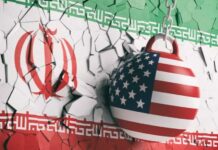
Foreign visitors will soon face one of the world’s highest entry fees as the Trump administration’s new $250 “visa integrity fee” takes effect, sparking debate over the cost and consequences of protecting U.S. borders.
Story Highlights
- The Trump administration’s One Big Beautiful Bill Act (OBBBA) adds a $250 “visa integrity fee” for most foreign travelers starting October 1, 2025.
- Total visa costs will exceed $440 for many applicants, making U.S. entry among the most expensive in the world.
- The fee targets travelers from non-visa waiver countries, raising financial barriers and administrative hurdles.
- Tourism and travel groups warn that the policy could reduce international visitor numbers and harm the U.S. economy.
Trump’s “Visa Integrity Fee” Raises Entry Barriers for Foreign Travelers
On July 4, 2025, President Trump signed the One Big Beautiful Bill Act (OBBBA), establishing a new $250 “visa integrity fee” for most non-immigrant visa applicants. Effective October 1, 2025, this charge applies to travelers outside the U.S. seeking visitor visas, adding to already steep application costs.
For many, including citizens of Mexico, China, and Brazil, total fees now approach $442 per applicant. The administration asserts this measure will enhance compliance, deter overstays, and help fund immigration enforcement. Critics in the travel industry, however, predict a chilling effect on legitimate tourism and business travel.
The fee’s introduction comes amid declining international visitor numbers and mounting competition from other countries for global tourism.
The U.S. is preparing to host major international events like America250, the Olympics, and the FIFA World Cup—moments when attracting foreign guests is crucial for economic growth.
With the new policy, the U.S. will have among the world’s highest visitor visa costs, potentially discouraging travel and pushing tourists to alternative destinations. Industry leaders warn that increased costs and red tape may reduce travel volumes and complicate trip planning for families and businesses alike.
Policy Origins Reflect Conservative Push for Border Security and Fiscal Control
Trump’s approach to immigration and border control centers on restoring order, limiting government handouts, and safeguarding national sovereignty. The OBBBA builds on prior initiatives aimed at curbing visa abuse, reducing overstays, and tightening vetting procedures.
The new fee is designed as both a compliance tool and a deterrent, ensuring visitors follow visa rules and helping recoup administrative costs.
While the fee is technically refundable, details on reimbursement remain vague and are expected to be rarely used, leaving many travelers uncertain about recourse if their plans change.
The Department of State manages fee collection, while U.S. Citizenship and Immigration Services (USCIS) administers related changes for other immigration forms.
The policy does not affect those adjusting status from within the U.S., focusing exclusively on applicants outside the country.
The Trump administration and congressional allies emphasize the need to prioritize American interests, reduce fiscal waste, and protect borders from abuse—core values for many conservatives frustrated by prior years of lax enforcement and rising costs.
Economic and Social Impact: Tourism Industry Voices Concern
Tourism and hospitality experts forecast significant short-term and long-term consequences from the visa integrity fee’s implementation.
U.S. Travel Association officials warn that higher fees and tougher entry procedures could drive international visitor spending down from $181 billion in 2024 to below $169 billion in 2025.
This decline threatens jobs, small businesses, and local economies dependent on foreign guests. Educational institutions reliant on international students may also face tighter budgets and reduced enrollment as travel becomes less accessible.
Foreign travelers soon to pay 'visa integrity fee' to visit the US costing $250
Mexico, China and Brasil among countries facing steepest costs https://t.co/fkuthzfnPg #FoxNews— Alberto Allen (@albertoallen) September 1, 2025
Industry leaders, such as Altour president Gabe Rizzi, argue that any added friction in the travel process reduces volumes and complicates budgeting for families and companies. Immigration attorneys note that the lack of clarity around fee reimbursement and the complexity of the new system will likely deter legitimate travelers.
While some see the policy as a necessary step to strengthen compliance and national security, others caution against measures that erode America’s reputation as a welcoming destination and risk diplomatic retaliation from affected countries.
Stakeholders and Future Outlook: Striking a Balance Between Security and Openness
The Trump administration, Department of State, and USCIS stand as primary decision-makers behind the policy, acting on conservative priorities of border security and fiscal discipline.
Travel industry groups and foreign governments have limited influence but may advocate for reciprocal measures or lobby for policy adjustments.
The OBBBA also funds a dramatic expansion of immigration detention and enforcement, signaling a broader shift toward restriction and deterrence across the immigration system.
Moving forward, the effectiveness of the visa integrity fee in achieving its stated goals remains uncertain. While the fee aligns with promises to restore law and order, reduce government waste, and prioritize American interests, its broader impact on tourism, international relations, and the economy will require ongoing evaluation.
As details on implementation and reimbursement emerge, stakeholders across industries and communities will continue to monitor the policy’s effects and advocate for balanced solutions that protect both national security and economic opportunity.
Sources:
A New Visa Fee Coming Soon – Serotte Law
GMS Flash Alert: U.S. Implements Visa Integrity Fee – KPMG
US Visa Integrity Fee 2025 – Dorn Charter School
Foreign travelers soon to pay ‘visa integrity fee’ to visit the US costing $250 – Fox News