
A New Mexico judge’s dismissal of Alec Baldwin’s lawsuit over the “Rust” shooting leaves Americans shaking their heads—once again, a Hollywood elite sidesteps accountability while the justice system spins its wheels.
At a Glance
- Alec Baldwin’s civil suit against New Mexico prosecutors over the “Rust” shooting was tossed for lack of action but could be revived within 30 days.
- The dismissal follows the earlier collapse of criminal charges after revelations of prosecutorial misconduct.
- Baldwin’s team claims they may refile the lawsuit if ongoing settlement talks fail.
- The saga keeps raising questions about equal justice, prosecutorial discretion, and the role of celebrity privilege in America.
Judge Tosses Baldwin’s Lawsuit—But The Circus Rolls On
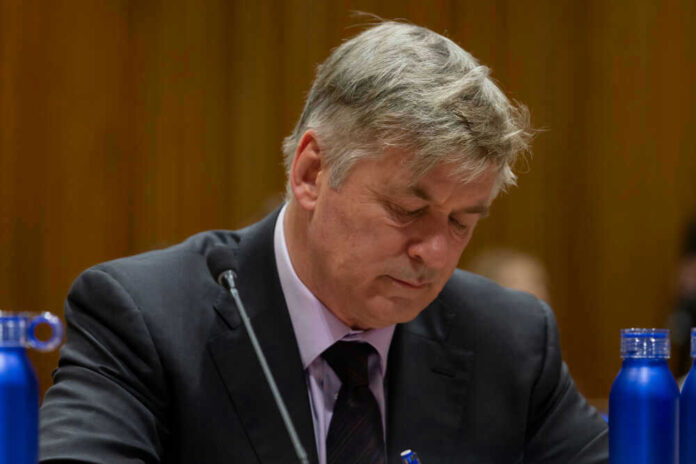
On July 30, 2025, a New Mexico judge dismissed Alec Baldwin’s high-profile lawsuit against state prosecutors and law enforcement. The suit alleged malicious prosecution and civil rights violations after Baldwin was charged in the October 2021 on-set shooting death of cinematographer Halyna Hutchins during the filming of “Rust.” The judge’s ruling wasn’t a vindication for the state, nor a scathing rebuke of Baldwin—it was a procedural punt, citing six months of inactivity. Baldwin’s legal team has 30 days to file for reinstatement, and they are already posturing as if this was all some routine paperwork hiccup, calling the dismissal a “nonevent.”
The saga began nearly four years ago, when Baldwin, the film’s star and producer, was handling a prop firearm during a rehearsal on a Santa Fe ranch. The gun discharged, killing Hutchins and injuring director Joel Souza. As the details emerged, the American public watched in disbelief: a Hollywood set with real bullets, a dead cinematographer, and a famous actor at the center. Prosecutors charged Baldwin with involuntary manslaughter, but those charges evaporated in July 2024 after it was revealed that prosecutors withheld exculpatory evidence. Not content to quietly exit stage left, Baldwin fired back with a civil lawsuit, painting himself as a victim of prosecutorial overreach and media scapegoating.
Celebrity Privilege, Legal Loopholes, and the Cost to Common Sense
The endless “Rust” legal circus reads like a satire of the American justice system. Baldwin’s lawsuit, now dismissed for inactivity, alleged that prosecutors and law enforcement officials tried to make an example of him because of his celebrity status. Yet, despite all the media bluster, the judge’s ruling was a reminder that even high-profile cases can be derailed by simple bureaucratic inertia. Baldwin’s attorney, Luke Nikas, insists the inactivity was due to ongoing settlement talks and claims they’ll refile if a deal isn’t reached. The state’s prosecutors, for their part, have been mum, likely aware that the public’s patience with this Hollywood sideshow is wearing thin.
The American people—especially those outside the coastal elite bubble—see this entire episode as a symptom of a deeper rot. Where is the accountability for a life lost on set? How can a criminal case collapse due to prosecutorial misconduct, only to be followed by a civil suit that’s dismissed for lack of activity? For everyday Americans, if you or I were involved in a fatal shooting, there’d be no procedural dismissals, no 30-day grace periods, and certainly no talk of “settlement discussions.” This is not just about Baldwin; it’s about the two-tiered system of justice that seems to protect the powerful and punish the rest.
Industry Fallout and the Never-Ending Debate on Justice
The “Rust” tragedy has already triggered tremors throughout the film industry. Studios are rewriting safety protocols, insurance underwriters are asking tougher questions, and unions are demanding more oversight on set. Yet, for all the hand-wringing, the legal outcome has left the public with more questions than answers. Criminal charges against actors for on-set accidents are extraordinarily rare, and successful malicious prosecution claims against government officials are even rarer. Legal experts agree: the bar for proving such claims is sky-high. But that hasn’t stopped Baldwin’s legal team from framing him as a victim of a system run amok.
The Santa Fe community, once a quiet refuge for filmmakers, is now a symbol of legal gridlock. Prosecutors and law enforcement, now named defendants in the civil suit, have little to say. Meanwhile, the family of Halyna Hutchins and the broader public are left to wonder if true justice is even possible in a system that seems more interested in legal theatrics than clear consequences. In the short term, Baldwin’s fight is paused, not ended. In the long term, the case will influence not just film set safety, but the public’s faith in whether the law means the same thing for everyone—celebrity or not.