

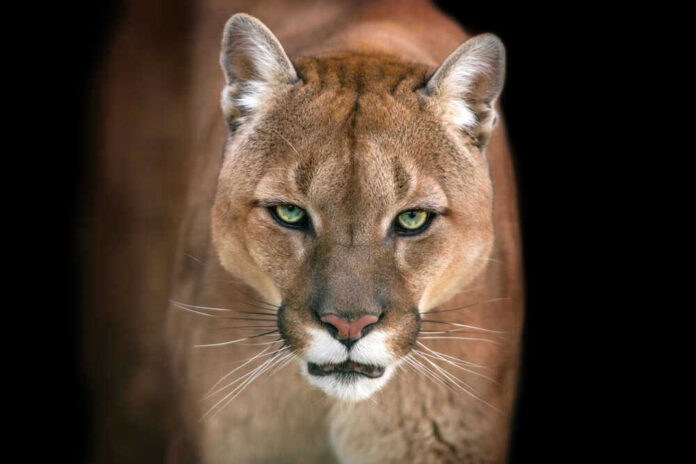
A fatal mountain lion attack in Northern Colorado has shattered a 27-year safety streak, triggering an aggressive wildlife response that highlights the growing dangers of predator recovery policies in areas where Americans seek outdoor recreation.
Story Highlights
- Woman found dead on Colorado trail with mountain lion nearby, first fatal attack since 1999
- Colorado Parks and Wildlife officers immediately euthanized two mountain lions in the area
- DNA testing is underway to confirm which animal was responsible for the deadly attack
- Incident raises questions about predator management policies in recreational areas
Fatal Attack Breaks Decades-Long Safety Record
An adult woman hiking alone on the Crosier Mountain Trail in Larimer County was discovered dead around 12:15 p.m., with a mountain lion positioned near her body.
Fellow hikers threw rocks to drive the predator away before a physician among them confirmed the victim had no pulse. This marks Colorado’s first fatal mountain lion attack since 1999, ending 27 years without such incidents despite growing lion populations following protective measures implemented in the 1960s.
Hiker killed in suspected mountain lion attack while alone in Colorado mountains https://t.co/nKmQl8kom6 pic.twitter.com/NaukYwz7Oo
— New York Post (@nypost) January 2, 2026
Swift Multi-Agency Response Eliminates Immediate Threat
Colorado Parks and Wildlife officers launched an immediate ground and aerial search, using helicopters to track the territorial predators in the rugged terrain. The aggressive response led officers to locate and shoot two mountain lions in the area.
This decisive action demonstrates proper wildlife management priorities when human safety is threatened, though the agency now awaits DNA testing results to confirm which animal was responsible for the attack.
Territorial Predators Pose Growing Risk to Outdoor Enthusiasts
Mountain lions are territorial animals that favor the exact type of forested, mountainous terrain where this attack occurred. Urban expansion into traditional lion habitat has increased human-wildlife encounters, though fatal attacks remained rare until now.
The fact that this incident happened during daylight hours on a popular hiking trail underscores how these apex predators have grown increasingly bold in areas frequented by law-abiding citizens seeking outdoor recreation.
Investigation Continues as Community Seeks Answers
CPW officials are conducting necropsies and DNA testing on both euthanized lions to determine definitive involvement in the fatal attack. If DNA results prove damaging, the search for additional mountain lions will continue.
The investigation highlights the challenges wildlife agencies face in balancing conservation efforts with public safety. This tragic incident serves as a stark reminder that predator protection policies must prioritize human life over animal preservation when conflicts arise in recreational areas.