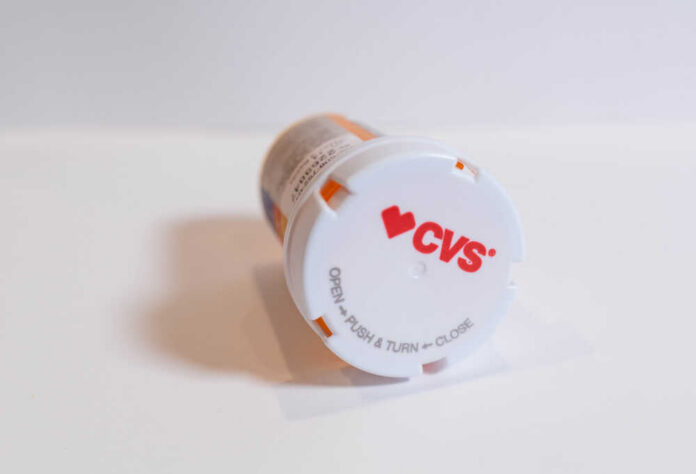
CVS just turned your corner drugstore into a quiet battlefield in the war over what you pay to keep your pets alive.
Story Snapshot
- CVS now fills dog and cat prescriptions in-store and by home delivery with a vet’s script.
- Pet owners can add animals to their CVS ExtraCare profile to manage meds like human prescriptions.
- The move plugs into a long trend of big-box pharmacies undercutting high vet markups on common drugs.
- Training gaps, safety questions, and regulatory fights could decide whether pet owners really trust this.
CVS opens its pharmacy counter to your pets
CVS Pharmacy now lets pet owners treat the pharmacy drop-off window like a one-stop shop for both people and animals. With a valid prescription from a licensed veterinarian, you can bring your pet’s script to any CVS Pharmacy and have it filled much like a human medication, including many brand-name options for heartworm, flea, and tick prevention.
CVS also promotes home delivery for pet prescriptions, turning routine refills into something handled from your couch instead of a vet’s front desk.
Dog and cat owners can now fill common pet prescriptions at more than 9,000 CVS Pharmacy locations nationwide. https://t.co/TvzzID7xSd
— ABC News (@ABC) July 21, 2026
The company’s own guidance spells out a simple two-step path. First, the veterinarian sends in the prescription, or you carry it in person. Second, you add the pet to your CVS ExtraCare profile, which unlocks delivery and easier pickup when the medication is ready.
That profile can hold multiple pets, and CVS says it uses the prescription label details to link each animal’s record to your account so you can act as the caregiver and manage refills.
How the pet prescription process actually works
The day-to-day process looks familiar to anyone who has used CVS for their own medications. You get a written script from your vet, then hand it to the pharmacy or have the vet fax or call it in.
Some guides note you can also upload prescriptions online and have them shipped to your home, which pushes the service into full online pet pharmacy territory for both prescription and non-prescription items. Once the pharmacist reviews the order, you either pick it up in-store or wait for it to arrive at your door.
Common pet medications appear to be the sweet spot for CVS. Think antibiotics, pain relievers, and widely used preventives with a human drug equivalent on the shelf.
For more specialized or animal-only drugs, CVS may not stock them, and outside sources advise pet owners to check with their local store before assuming every veterinary prescription can be filled there.
That gap matters, because it reminds us this is still a general pharmacy stretching into animal care, not a dedicated veterinary hospital pharmacy.
App profiles, caregiving relationships, and confusion at the counter
On paper, CVS tries to make digital management simple: add your pets to your CVS.com and ExtraCare profiles, then manage eligible prescriptions through the CVS Health app like you would for a spouse or child. Real-world reports show it is not always that smooth.
Reddit users describe needing staff to type specific codes and establish a “caregiving relationship” in the system, and some believe employees “probably don’t know that’s an option and have never done it before.” That kind of confusion undercuts the promise of friction-free care.
One user in 2024 said they had trouble adding a pet through the app but finally succeeded on the desktop version, where an “add a pet” option appeared and allowed them to connect the animal to their account.
For a customer, this hits a nerve: if a company is going to insert itself into your family’s health decisions, including your pets, it has a duty to train its people and build tools that work the first time. Convenience is not real if it depends on online forum tips to function.
The bigger trend: pharmacies chasing pet dollars
CVS is not inventing the idea of filling animal prescriptions at human pharmacies; it is joining a trend that has been building for decades.
Chains like Walmart, Target, Walgreens, and Kroger moved into pet prescriptions years ago, often promoting the chance for owners to escape veterinarian markups that could run to 100 percent or more on some medications.
Generic drugs for common conditions become the lever, letting families spend less to keep both kids and dogs on needed treatments.
Industry analysts have long noted that retailers see pet prescriptions as a way to grow beyond human health care while tapping into the emotional bond people have with animals.
More recently, online veterinary pharmacies, delivery services, and national chains have sparked fast growth in this market, as pet owners hunt for lower costs and easier access.
Viewed through that lens, CVS’s pet service is not a feel-good add-on; it is a revenue play in a tight economy, where every dollar saved on medication is a dollar a family can keep for other needs.
Trust, safety, and the conservative lens on corporate expansion
Any time a big corporation expands into sensitive territory like health care, people are right to ask hard questions.
Regulatory scrutiny of CVS’s pharmacy benefit manager operations in places like Tennessee, and its warnings about store closures if lawmakers separate benefit managers from pharmacies, already raise doubts about whose interests come first when pricing and policy decisions are made. Adding pet medications to that picture invites skepticism about whether cost-cutting ever risks safety.
A tragic case in Arlington, Virginia, where a service dog died after a reported drug mix-up at a CVS pharmacy, underscores the stakes. The company apologized and said it was looking into how the error happened to prevent another one.
To an observer, that story is not proof that every pet prescription at CVS is unsafe. But it is a stark reminder that when pharmacies chase new markets, they must double down on training, clear labels, and vet communication, not just on marketing copy about convenience and delivery.
What it means for pet owners watching their budget
For many families, especially those with tight budgets, CVS’s pet prescription option is a welcome relief. You can use the same store where you already pick up blood pressure pills to grab a heartworm preventive for the dog, possibly at a lower cost than your veterinarian charges.
Digital profiles and delivery can save time, gas, and scheduling headaches. When the process works, it lines up with values about free choice, competition, and pushing back against closed-shop pricing.
The wise approach is simple but firm. Use CVS and other pharmacies as tools to lower costs on standard, human-equivalent medications while keeping a strong relationship with a trusted veterinarian for complex cases. Ask your pharmacist direct questions.
Verify names and dosages on every label before you leave the counter. Hold the company to its own promises about caregiver profiles and safe dispensing. Corporations will always chase profit, but informed pet owners can use that chase to their advantage without handing over blind trust.
Sources:
abcnews.com, cvs.com, facebook.com, reddit.com, smalldogsheaven.com, wtop.com, sharesmagazine.co.uk, supermarketnews.com, ftc.gov, pbahealth.com