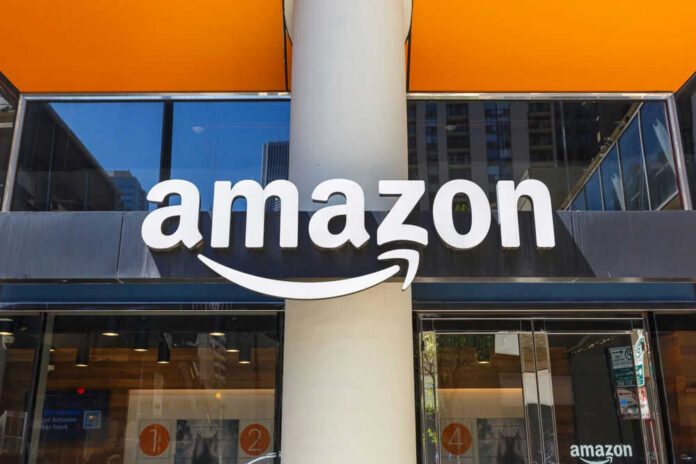
Amazon’s sweeping expansion of same-day grocery delivery is shaking up the market, threatening competitors and raising new questions about the power of Big Tech over local businesses and American consumers.
Story Highlights
- Amazon to double its same-day grocery delivery reach to 2,300 U.S. cities by the end of 2025, targeting both urban and rural communities.
- Prime members now enjoy free grocery and non-food delivery on orders over $25, pressuring rivals like Walmart, Instacart, and DoorDash.
- Competitors’ stock prices dropped sharply after the announcement, highlighting the market disruption Amazon’s move has triggered.
- Amazon’s rapid expansion raises concerns about further consolidation of power and the future of traditional grocers and delivery platforms.
Amazon’s Aggressive Expansion Redefines Grocery Delivery
Amazon announced a major leap in its grocery delivery ambitions by launching same-day service in over 1,000 new cities, with a commitment to cover 2,300 cities across the U.S. by year’s end.
This initiative allows Prime members to receive perishable groceries and non-food items together, free of charge on qualifying orders. Amazon’s logistics muscle and massive Prime subscriber base give it a distinct edge, intensifying competition in an already crowded delivery arena.
This move isn’t just about convenience; it’s a direct challenge to established delivery giants. By integrating fresh groceries with its broader e-commerce platform, Amazon positions itself to lure customers away from rivals.
The company’s promise of fast, free delivery on orders over $25 for Prime members—while non-members pay a premium—signals a bold effort to dominate the market through value and scale.
As a result, shares of competitors like Instacart, DoorDash, and Walmart tumbled immediately following the news, reflecting the threat Amazon now poses to their business models.
How Amazon’s Strategy Impacts Traditional Grocers and the Economy
Amazon’s ongoing investment in temperature-controlled storage and eco-friendly packaging enables it to deliver perishables efficiently on a massive scale.
This expansion builds on lessons learned from previous efforts, such as the Whole Foods acquisition and pilot programs combining grocery with non-grocery delivery.
Industry analysts note that the $25 free-delivery threshold undercuts services like Instacart and DoorDash, whose fees and minimums are often higher. Traditional grocers now face mounting pressure to innovate or risk losing more customers to Amazon’s convenience and pricing.
For American consumers, the expansion means broader access to reliable same-day grocery delivery, especially in smaller towns and rural areas previously underserved by e-commerce. However, the flip side is a likely acceleration of consolidation in the industry.
As Amazon expands its market share, smaller grocers and independent delivery platforms may struggle to compete, potentially resulting in fewer consumer choices and reduced competition in the long run.
This dynamic raises legitimate concerns about the future of Main Street businesses and the resilience of local supply chains in the face of Big Tech consolidation.
Market Reactions and Broader Implications for Conservative Values
Immediately after Amazon’s announcement, Instacart’s stock dropped by 11%, DoorDash by 4.8%, and Walmart by nearly 2%. Such market swings highlight both investor anxiety and the outsized influence Amazon wields over entire sectors.
While many consumers will welcome increased convenience and lower delivery costs, conservatives have reason to be wary of further market consolidation.
Greater control by tech giants often leads to diminished consumer choice and can sideline community-based businesses that have long been the backbone of American commerce and family life.
Amazon to expand same-day grocery service to 2,300 cities – sinking shares of rivals Walmart, Instacart https://t.co/OawiL4K5Is pic.twitter.com/tRZY9cyxfj
— NY Post Business (@nypostbiz) August 13, 2025
Moreover, as Amazon expands its reach, questions arise about its accountability and the potential for government overreach via regulatory scrutiny or expanded data collection.
Rapid digital transformation in sectors like groceries may eventually lead to unintended consequences—such as job losses, increased automation, or new regulatory hurdles—that could undermine the values of individual liberty and free enterprise.
With Amazon’s logistics and technology setting the pace for the industry, the impact on economic freedom and local control is an issue conservatives and traditionalists will continue to watch closely.
Sources:
Amazon integrates perishables into same-day delivery, doubles cities served (Grocery Dive)
Grocery delivery expansion: Amazon’s same-day store updates (About Amazon)
Amazon expands same-day grocery delivery to 1,000 cities (CBS News)