
President Trump says the United States just locked in majority control over more than 65 billion barrels of Venezuelan oil, at no cost to taxpayers.
Story Snapshot
- Trump announced a U.S.–Venezuela agreement covering 65 billion barrels of proven oil reserves.
- He said American interests will have majority control and taxpayers will not foot the bill.
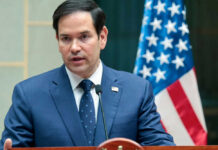
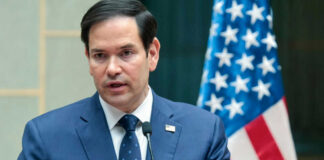
- Secretary of State Marco Rubio and Secretary of War Pete Hegseth helped broker the deal with Venezuelan officials.
- Venezuela’s laws keep state ownership of oil in place, so control flows through contracts and licenses.
What Trump Announced And Why It Matters
President Trump declared “the biggest oil deal in world history,” saying the United States reached an agreement with Venezuela that gives American interests majority control over more than 65 billion barrels of proven reserves, with no cost to taxpayers.
He credited Secretary of State Marco Rubio and Secretary of War Pete Hegseth for working with Venezuelan leader Delcy Rodríguez and private firms to get it done. The scale dwarfs many national stockpiles and could more than double current U.S. reserves, according to the announcement.
Trump says US has entered deal with Venezuela to take control of 65 billion barrels of oil reserves https://t.co/LZiLr2ysCY
— Boston 25 News (@boston25) August 29, 2026
The claim landed during a period of tight global supply and price shocks. A deal of this size, if executed well, promises steadier fuel supply, more leverage over prices, and a cushion against foreign shocks. It also signals a pivot in hemispheric energy ties. Washington would shift barrels from unstable global lanes to the Americas, where shipping is faster and cheaper. For drivers and small businesses, that could mean fewer scary price spikes down the road.
How “Control” Works Under Venezuelan Law
Venezuela’s constitution keeps the oil in public hands. The state owns the hydrocarbons under the ground and holds the oil company Petróleos de Venezuela, S.A. outright, while allowing affiliates and joint ventures for operations. That means “majority control” does not mean the United States owns the oil fields. It means U.S.-aligned firms gain governing rights in projects, offtake, and capital plans through contracts and licenses that sit on top of state ownership.
That structure is common in resource-rich countries. Governments keep title to the resource. Operators earn rights to explore, drill, lift, and sell oil under agreed rules. The real power comes from who sets budgets, picks technology, and manages exports. If the agreement locks those levers with American entities, practical control over output and flows follows, while Venezuela’s state title remains intact under its law.
Sanctions, Licenses, And The Path To Barrels
United States sanctions on Venezuela’s oil sector have been a choke point since 2019, when the Treasury designated the state oil firm and restricted dealings absent specific licenses. Any deal of this scope must ride on waivers, general licenses, or a new framework that clears trade, payments, and shipping. Past policy used targeted licenses to let select Western firms operate while limiting rivals from China, Russia, and Iran. This deal appears to scale that approach into a long runway.
Execution will decide how fast oil flows. Venezuela’s fields, especially in the heavy-crude Orinoco Belt, need cash, rigs, upgraders, and steady power. Private capital often waits for legal clarity and payment protection. If the contract terms ensure reliable offtake, swift permitting, and shielded banking, investment can move. If not, timelines slip. Trump’s “no cost to taxpayers” line points to private dollars funding the lift and the pipes, which fits conservative priorities on energy security without public spending.
Economic Stakes For American Families
Sixty-five billion barrels is not a weekend refill; it is decades of supply if unlocked. More supply close to home strengthens the U.S. hand in global pricing. That makes refills of the Strategic Petroleum Reserve cheaper and quicker during shocks. It gives refiners steady heavy crude that Gulf Coast plants run well. It can support union jobs, small suppliers, and Gulf ports. Prices at the pump move with many forces, but a bigger, safer barrel base puts a floor under future shocks.
Geopolitics And Common-Sense Guardrails
The deal reduces reliance on Middle East and Russian barrels and blunts leverage from hostile regimes. That aligns with a simple rule: buy energy from neighbors, not adversaries. It also promotes private enterprise to do the heavy lift, not Washington checks. The contract must still respect Venezuela’s sovereignty rules and United States law. If it does, the arrangement marries American energy strength with Latin American recovery, which is good for stability and migration pressure alike.
Sources:
cnbc.com, abcnews.com, nbcnews.com, youtube.com, nytimes.com, reuters.com, venezuelanalysis.com