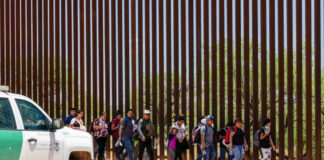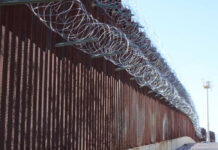

Shots from the Mexican side of the Rio Grande drew U.S. Coast Guard fire back near Garceno, Texas, and no one was hit.
Story Snapshot
- Coast Guard says gunfire came from Mexico; crews returned fire near Garceno, Texas.
- No injuries or damage reported; the incident is under investigation.
- Forces were on a joint interdiction mission with other federal partners.
- U.S. troop movements to the Rio Grande Valley followed the exchange.
Gunfire On The Rio Grande Near Garceno
Coast Guard personnel reported gunfire from the Mexican side of the Rio Grande near Garceno, Texas, on September 26, 2026. Crews returned fire while conducting a joint interdiction mission with other federal partners in Starr County. The service said no one was injured and no equipment was damaged. Officials stated the circumstances remain under investigation. The account, carried by multiple outlets, repeated the same sequence: shots from Mexico first, Coast Guard fire in response.
The incident took place in an area where federal and state teams often intercept illegal crossings and smuggling runs. Coast Guard boats and partner units routinely work that stretch of the river, which narrows and bends, limiting sight lines. These patrols focus on stopping human smuggling, drug loads, and dangerous crossings. Quick reaction matters on the water. Crews train to identify the source of fire, break contact or suppress a threat, and safeguard their teammates within seconds.
What Officials Did Next
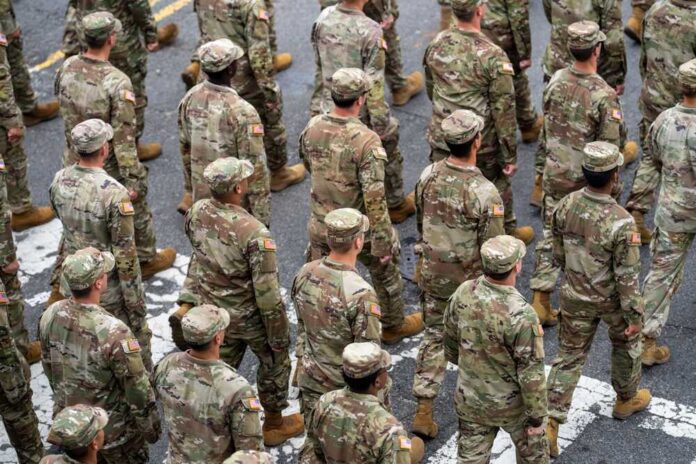
Federal officials moved troops and equipment to reinforce the Rio Grande Valley after the exchange of fire. Several reports linked the repositioning to rising illegal activity and the September 26 gunfire event. Coverage cited hundreds of U.S. troops shifting to Texas as part of a larger security posture along key river corridors and crossing points. The moves aimed to stiffen deterrence, speed response times, and backstop small boat crews in high-risk zones.
Texas leaders also pointed to increased crossings and related pressure along the river. The combination of a tactical scare on the water and a broader uptick on land set the stage for a louder federal and state presence. More aviation support, more ground sensors, and quick-reaction teams can change the risk profile for smugglers. That said, Coast Guard officials have not publicly named the shooters or tied them to a group in their base account.
Why This Spot Matters Strategically
Garceno sits inside a dense mesh of smuggling routes that shift with pressure. The river’s bends, reeds, and shallow shelves let gunmen hide and move fast. Small arms fire from the far bank can arrive with little warning, which raises risk for boat crews who often operate in low light. Clear rules for when to return fire, tight radio discipline, and integrated support from air and land units help close those gaps and keep crews safe under stress.
🇺🇸🇲🇽 U.S. and Mexican forces have deployed hundreds of troops along the Texas–Tamaulipas border following a reported exchange of gunfire involving U.S. Coast Guard personnel.
The September 26 incident near Garceno, Texas, remains under investigation. Mexico has deployed 500 Army… pic.twitter.com/wstJ2aZK7K
— Scorpion Intel (@scorpion_intel) October 6, 2026
The American public expects two things at once: protect our people and keep control of the border. The Coast Guard’s response aligned with both. The report shows discipline under fire, no friendly casualties, and a fast return to mission. When facts are this clear—who, where, when, what was done—common sense says reinforce success. Back the crews, harden the river, and press for joint action that denies shooters safe haven across the water.
Sources:
thegatewaypundit.com, foxnews.com, ntd.com, thetexan.news, stl.news