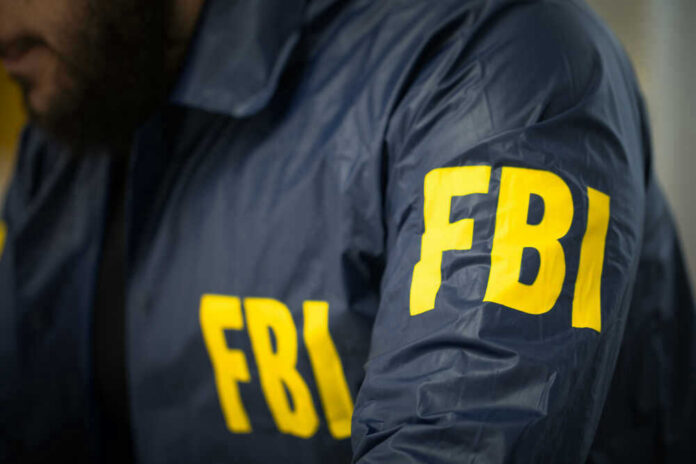
The FBI stopped a woman at Los Angeles International Airport as she tried to fly to China, accusing her of acting as a covert agent who surveilled the son of Taiwan’s president in the United States.
Story Snapshot
- Federal agents arrested Wanying “Heather” Zhang at Los Angeles International Airport before a flight to Shanghai.
- A criminal complaint says she acted as an unregistered agent of China and conducted surveillance in Seattle.
- Law-enforcement sources say the target was the son of Taiwan’s president, Ching-Te Lai.
- Officials say she sent photos, video, and license-plate data to contacts tied to China.
What Agents Say Happened At The Airport
Federal agents moved in at Los Angeles International Airport on Sunday and arrested Wanying “Heather” Zhang before she boarded a flight to Shanghai. Prosecutors charged her with acting as an unregistered agent of a foreign government. That charge often appears in national-security cases when the government alleges direction by another state. CBS News reported the arrest details, including her planned destination, and cited law-enforcement sources on the specific target of her alleged work.
Reporters who contacted her family did not get new details. Her husband declined to comment on the case. The charge rests on a sworn affidavit by a Federal Bureau of Investigation special agent that outlines alleged surveillance activity in Seattle. The Justice Department uses this law when it believes someone took orders from a foreign government but hid that role from United States authorities and the public.
The Seattle Surveillance Allegations
The affidavit says Zhang traveled to Seattle with another person under direction from Chinese officials. The pair allegedly watched a close relative of a senior Taiwanese official, filmed the family near a residence, and captured license plates. Outlets reported that she sent images and video back to contacts tied to the People’s Republic of China. Agents described the behavior as espionage activity, citing tradecraft like rental cars, stakeouts, and rapid reporting of movements.
Multiple outlets published the same core timeline: a trip to Seattle in 2025, recorded images and vehicle details, and messages or files sent to handlers. ABC News reported that she transmitted photos, videos, and license-plate data. That detail matters because it shows a clear information flow, not just casual curiosity or sightseeing. The complaint itself did not name the target, but several reports identified the person via law-enforcement sources.
Who The Target Was And Why It Matters
Law-enforcement sources told CBS News that the subject of the surveillance was Ting-Yu Lai, the son of Taiwan’s President Ching-Te Lai. That detail elevates the stakes. Watching a president’s child is not routine political gossip; it is a pressure point. Families are soft targets compared to guarded principals. If proven, this surveillance fits Beijing’s playbook of gathering leverage and mapping routines around figures tied to Taiwan’s leadership. Taiwan’s government condemned the alleged operation after reports surfaced.
FEDS ARREST ALLEGED CHINESE FOREIGN AGENT AT LAX
First Assistant U.S. Attorney Bill Essayli says Wanying “Heather” Zhang was arrested while attempting to leave for China—accused of surveilling a Taiwanese official’s relative at the direction of PRC officials. https://t.co/DVGbW0iArQ
— Real America's Voice (RAV) (@RealAmVoice) October 4, 2026
United States authorities have raised their tempo against foreign agent cases tied to adversary states. A policy analysis noted that prosecutors focus criminal charges in cases that look similar to traditional spying. That keeps the spotlight on state-backed direction, not mere foreign contacts. The public often hears “espionage,” while the actual statute is about secret agency for a foreign power, like the law at issue here. That gap in vocabulary can blur how people see guilt and proof.
How The Law Frames Covert Work For A Foreign Power
Acting as an unregistered agent means a person took direction or control from a foreign government but did not disclose that relationship to the United States. Prosecutors do not need to show stolen war plans. They need to show tasks, reporting, and coordination done at a foreign power’s request. Media call it spying because the behavior often looks like it. To align terms with facts and common sense, the question is simple: who asked for the information, and who got it?
Reported details check several boxes that point to direction and control. There is a named trip for a defined purpose. There is reported collection of images and data. There is alleged transfer to contacts tied to China. Those steps match how state services build files on families and routines. If you value national sovereignty and safety for political families, this case reads as a straight test of will: do we stop covert reach now, or live with it on our streets?
What Comes Next In Court And Security
The next steps will include detention and discovery. Prosecutors will lay out messages, travel records, and device data to show foreign direction. The defense can contest how agents read chats and logs. A judge will weigh risk of flight and potential obstruction. Beyond the courtroom, counterintelligence teams will work to identify any accomplice and map the chain to officials in Beijing. That work aims to shut down the network, not just the alleged courier.
Americans deserve peace at home, even when global rivals test our resolve. This arrest signals a clear line: do not run covert tasks for a foreign power here, especially against families of allied leaders. The facts described by agents show a focused mission, not an accident. If the evidence holds, this is not politics. It is protection. That is the government’s first job, and it should not apologize for doing it well.
Sources:
cbsnews.com, abc11.com, abcnews.com, focustaiwan.tw, wpde.com