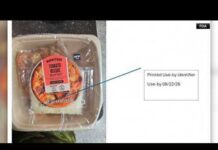

Frozen blueberries sold under Publix’s GreenWise label were recalled after 12 reported E. coli illnesses, and the warning reached shoppers across eight states.
Quick Take
- The recall covers 10-ounce bags of GreenWise Organic IQF Blueberries with lot code 6040 01 and a best-by date of February 9, 2028.
- Frutas y Hortalizas del Sur S.A. said the berries tested presumptively positive for E. coli O145:H28, a Shiga toxin-producing strain.
- The company reported 12 confirmed illnesses tied to the product between May 11 and June 5, 2026.
- Publix told customers to return the product or throw it away, and the recall spans Alabama, Florida, Georgia, Kentucky, North Carolina, South Carolina, Tennessee, and Virginia.
What Triggered the Recall
Frutas y Hortalizas del Sur S.A., the Chile-based supplier, initiated the recall after the blueberries tested presumptively positive for E. coli O145:H28. Publix then alerted customers that the product had been sold in its stores across eight states.
The recall applies only to one lot, but the health warning is serious because this strain can cause severe foodborne illness.
The illness count came from the supplier’s recall notice, not from a federal outbreak update. That detail matters because it shows how quickly food recalls can move before every public health agency has published a formal bulletin.
Even so, the presence of reported illnesses and a positive test gave the recall immediate weight, especially for shoppers who may still have the berries in their freezers.
What Shoppers Need to Check
The affected product is GreenWise Organic IQF Blueberries in 10-ounce bags. Shoppers should look for lot code 6040 01 and a best-by date of February 9, 2028.
Publix said no other lot codes or best-by dates are included in the recall, which keeps the scope narrow but does not make it harmless. Frozen fruit can sit in a freezer for months before someone opens it and gets sick.
Publix advised customers to discard the blueberries or return them for a refund. That is the standard advice in recalls tied to possible contamination because cooking is not part of this product’s normal use.
The safest move is simple: if the bag matches the recalled lot, do not eat it. If it does not match, keep the package only if the details are clear and complete.
Why This Recall Stands Out
Frozen berries have a long history of food safety issues, especially with viruses such as hepatitis A and norovirus. Federal research has also shown that frozen storage does not reliably wipe out all pathogens, and berries can keep microbes alive much longer than many shoppers expect.
That is why recalls involving frozen fruit often feel deceptively small at first, then turn into larger public health headaches once the details settle in.
🚨 Recall Alert
Frutas y Hortalizas del Sur recalls GreenWise Organic IQF Blueberries (10 oz) for E. coli O145 risk 🫐⚠️📍 Sold at Publix in AL, FL, GA, KY, NC, SC, TN, VA
🗓️ Linked to 12 illnesses (May 11–Jun 5)❗ E. coli can cause severe stomach issues – do not… pic.twitter.com/uohvZz5Pzo
— USA Recalls (@USA_Recalls) July 7, 2026
This case also fits a familiar pattern: a supplier-led recall, a narrow lot, and a retailer trying to get ahead of the risk. That is the practical side of modern food safety.
Companies often act before all facts are confirmed because waiting can leave dangerous food in home freezers. Check the lot number, ignore the packaging if it matches, and do not assume frozen means safe.
Sources:
foxbusiness.com, facebook.com, delish.com, fooddive.com, fda.gov, ucfoodsafety.ucdavis.edu