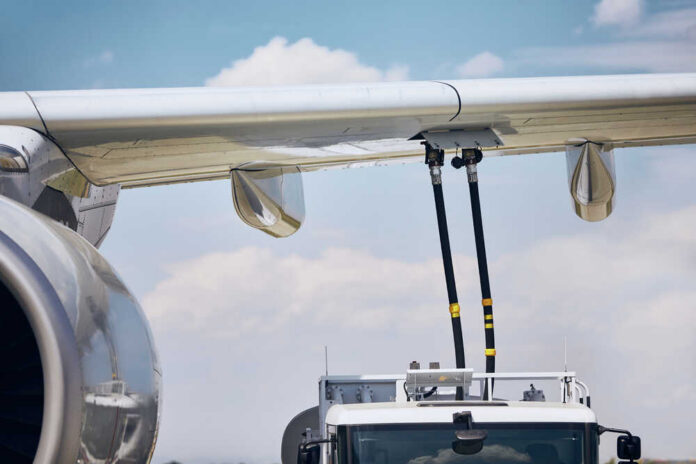
The next time a heat wave rolls in, it may not just bake the sidewalk — it could quietly strand your plane at the gate.
Story Snapshot
- Extreme heat is already forcing airlines to cut weight, change routes, and delay departures.
- Physics is the core problem: hotter air is thinner air, and planes need more speed, runway, or less weight to lift off safely.
- Studies project that by midcentury, 10 to 30 percent of hot-day flights at major airports could face weight limits.
- Travelers who know how heat affects schedules can plan smarter and push airlines to put safety over overbooking.
How Rising Heat Turns Runways Into Hard Limits
Airports around the world are learning that there comes a point where no amount of clever scheduling beats basic physics. On very hot days, the air over the runway becomes less dense, which means wings generate less lift and engines produce less thrust.
To get the same lift, a plane must either move faster, use more runway, or shed weight. When the math stops working, the only safe options are delay, reroute, or cancel the flight.
This is not a theory cooked up in a think tank. Federal Aviation Administration data show that nearly two-thirds of flight delays are tied to weather, and heat is now part of that story at many airports.
Recent summers have brought days when airplanes had to leave passengers behind, remove cargo, or carry less fuel because temperatures pushed performance charts to their limits. The move might feel harsh at the gate, but it is a safety requirement, not an airline preference.
What Happens On The Tarmac When Temperatures Spike
When a heat wave hits an airport, several things happen at once. Dispatchers recheck every flight plan for temperature, runway length, and wind. Pilots look at “density altitude,” a number that blends heat and pressure to show how high the plane effectively feels above sea level.
If the numbers are too tight, airlines trim fuel or cargo, add a fuel stop, or push departures into cooler hours. Each change adds friction, and that friction often shows up on your phone as “delayed.”
Rising temperatures are forcing airlines to delay flights or reduce passenger loads because hot, thin air decreases airplane lift. Travelers should prepare for potential heat-related delays as extreme summer weather impacts nationwide flight schedules. https://t.co/PfgXe34FV6 pic.twitter.com/tKaAaHLJk8
— KTBS (@KTBS) August 5, 2026
Recent events show how quickly this can snowball. In Canada, an early July heat wave triggered hundreds of delays and dozens of cancellations in a single day at Toronto, Montreal, Vancouver and other hubs. Aviation analysts described it as a structural warning: rising temperatures are turning rare “too hot to fly” days into a normal summer headache.
One study cited by climate analysts found that, if emissions continue to climb, 10 to 30 percent of flights at 19 major airports could face weight restrictions on the hottest hours by midcentury.
Climate Change And The Travel Grid
The core claim from researchers is simple: as human-driven warming raises summer temperatures, the number of days when heat constrains air travel will rise.
That does not mean every delay is “because of climate change.” Thunderstorms, congestion, staffing gaps, and bad planning still cause plenty of misery. But when you stack more heat on top of an already strained system, the margin for error shrinks, and delays spread faster across the network.
The lesson is not to panic but to respect physical limits and demand honest tradeoffs. Airlines cannot lobby gravity or density altitude away. They can, however, stop overpromising summer schedules, invest in better planning, and tell passengers clearly when safety rules — not convenience — drive a delay.
Regulators in countries like Canada already treat weather and safety-related delays differently, requiring refunds or help when the cause is under the airline’s control, but not when heat makes safe operations impossible.
Why Some Airports And Aircraft Suffer More Than Others
Not every airport feels heat the same way. Facilities with short runways, high elevation, or very hot climates are hit first and hardest. A Columbia University team found that such airports would bear the brunt of midcentury weight limits, especially during the hottest hours of the day.
Smaller regional jets also reach their temperature limits sooner than large Airbus or Boeing aircraft, which can often operate up to around 122 degrees Fahrenheit before heat becomes a firm ceiling.
Real-world trends line up with those warnings. Phoenix’s main airport has averaged more than 40 days above 110 degrees Fahrenheit in recent years, triple the mid-century average, while Las Vegas has more than doubled its count of such days since the 1940s.
On some of those days, airlines there have imposed weight limits, shed fuel, or restricted passengers to keep takeoffs inside the safety envelope. Each adjustment shows the same message: the system is stretching to keep up with rising heat.
How Travelers Can Adapt Without Losing Their Minds
For travelers, the most powerful move is simple: beat the heat with your schedule. Experts widely recommend booking the earliest flight of the day, when temperatures and thunderstorm risks are lowest and the system has not yet picked up cascading delays.
When possible, connect through northern hubs during peak summer and reserve southern hubs for winter trips, because the worst heat days tend to cluster in the sunbelt.
Passengers can also push airlines to honor both safety and accountability. When heat triggers a delay for safety reasons, compensation rules may not apply in the same way, but you are still entitled to clear information, rebooking options, and basic care like meals during long waits.
That is a reasonable balance: insist that pilots and dispatchers follow the physics, then insist that companies treat you fairly when nature, and human-driven warming, change the plan.
Sources:
abcnews.com, weather.com, scientificamerican.com, usatoday.com, washingtontimes.com, 0e190a550a8c4c8c4b93-fcd009c875a5577fd4fe2f5b7e3bf4eb.ssl.cf2.rackcdn.com, youtube.com, time.com, cbsnews.com, facebook.com, indiatoday.in