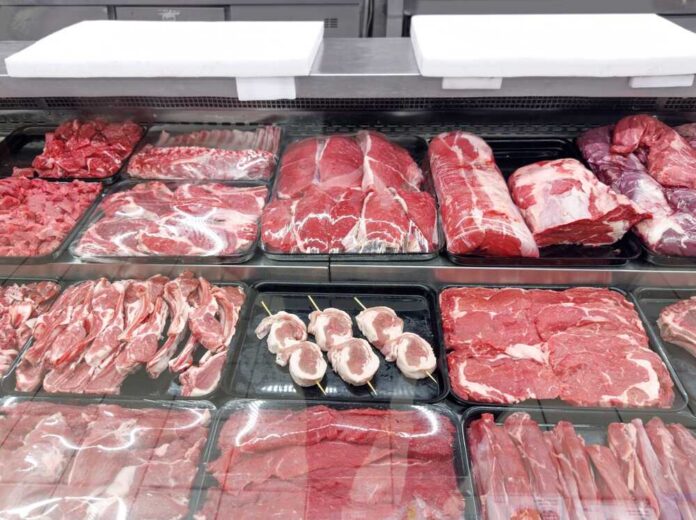
One missing word on a frozen meatloaf label just turned nearly 6,000 pounds of dinner into a quiet federal emergency.
Story Snapshot
- Almost 5,800 pounds of frozen meatloaf meals were recalled over undeclared soy, a common allergen.
- A single state inspector spotting a label mismatch triggered nationwide action from federal regulators.
- The recall is labeled “Class II,” meaning there is a low risk of serious harm, yet it still poses a real allergy risk.
- This case shows how one labeling error can cost a company money, trust, and future scrutiny.
A quiet frozen meal recall with very real stakes
Power Plate Meals, a company based in West Fargo, North Dakota, recalled about 5,795 pounds of its frozen meatloaf with garlic mashed potatoes after federal officials said the meals contained soy that was not listed on the label.[4]
The U.S. Department of Agriculture’s Food Safety and Inspection Service stepped in after finding the problem and formally announced the recall on June 18. These are not mystery products. They are 13.3-ounce, vacuum-sealed trays sold as ready-to-heat dinners.[1]
Nearly 6,000 pounds of frozen meatloaf recalled over undeclared soy, USDA says https://t.co/tYyUhcFVjh
— FOX Business (@FoxBusiness) June 25, 2026
The recalled meals carry a clear paper trail. They were produced from June 25, 2025, through June 10, 2026, and marked with “use by” dates between June 25, 2026, and June 10, 2027.[2]
Each tray shows the establishment number “217SEND” inside the inspection mark, which tells inspectors exactly where the food was made.[1]
Distributors in Minnesota, North Dakota, and South Dakota received the product for resale, meaning thousands of these meals likely went straight into household freezers across the Upper Midwest.[2]
The inspector who caught what the label did not say
This recall did not start with people getting sick. It started when a state inspector, while reading the label, noticed that soy, a known allergen, was in the product but missing from the ingredient list.[4]
That inspector alerted the Food Safety and Inspection Service, which then confirmed the misbranding and pushed the company to recall the product.[2]
One person doing their job turned an unnoticed label omission into a federal action that now covers thousands of pounds of food sitting in homes.
The Food Safety and Inspection Service classified the recall as “Class II,” meaning the chance of serious health problems is considered remote.[2] On paper, that sounds minor. In reality, for someone with a soy allergy, hidden soy can mean hives, swelling, breathing trouble, or a fast trip to the emergency room.
FoodSafety.gov warns that undeclared allergens pose real risks for anyone in a household with allergies and should never be brushed off.[20] A low-probability event still matters when the stakes include a child’s airway.
Why undeclared soy keeps showing up in recall headlines
This meatloaf case fits a larger pattern. Nearly one-third of food recalls are linked to undeclared allergens, and soy is among the repeat offenders.[21]
Regulators and scientists point to recipe changes, new ingredient suppliers, and sloppy label updates as common roots of these problems.[3][22]
A company changes a seasoning mix or adds a new binder, fails to update the label, and suddenly thousands of packages on store shelves are misbranded under federal law.[19] The frozen meal in your freezer can go from “safe” to “recalled” without changing how it looks or tastes.
For the Food Safety and Inspection Service, acting fast on these errors builds credibility. When the agency jumps in early, even with no reported illnesses, it shows that the system values prevention over damage control.[21]
From this view, this is the kind of government action people can support: targeted, evidence-based, and aimed at clear, narrow risks rather than broad lifestyle control. The agency is not telling you what to eat. It is simply saying, “If you are allergic to soy, this label is wrong, so you need to know.”
What this recall really means for your freezer and your wallet
For Power Plate Meals, the recall carries a different kind of risk. They must pull product, refund or replace meals, and eat the cost of production and distribution for nearly 6,000 pounds of food.
They also face future scrutiny, because undeclared allergens often trigger wider audits of labeling and quality control practices.[2]
Yet the company has not publicly fought the recall. That silence suggests compliance is cheaper and safer than trying to argue with regulators when allergen rules are clear and strict.[4]
“`
🚨 Recall Alert
Power Plate Meals is recalling frozen Meatloaf with Garlic Mashed Potatoes due to undeclared soy ⚠️📍 Shipped to MN, ND, SD
🗓️ Produced Jun 2025–Jun 2026🔗 https://t.co/wub6wr3DMh #FoodRecall #PowerPlateMeals
“` pic.twitter.com/ZMnOgOb8mQ— USA Recalls (@USA_Recalls) June 19, 2026
For consumers, the math is simple. If your freezer holds Power Plate Meals meatloaf with garlic mashed potatoes in 13.3-ounce trays, with “use by” dates between June 25, 2026, and June 10, 2027, and the mark “217SEND,” you are holding recalled product.[1][4]
The Food Safety and Inspection Service and multiple outlets urge you not to eat it. You can throw it out or return it to the store.[1] If anyone in your home has a soy allergy, this is one recall you take seriously, even if the risk is labeled “low.” This recall says you do not gamble with hidden allergens.
Sources:
[1] Web – Nearly 6,000 pounds of frozen meatloaf recalled over undeclared soy, …
[2] Web – USDA Announces Recall of Nearly 6,000 Pounds of Frozen Food for …
[3] Web – Frozen meatloaf meals recalled over undeclared soy allergen
[4] Web – Frozen Meatloaf Recalled Over Undeclared Soy – Substack
[19] Web – Analysis of U.S. Food and Drug Administration Food Allergen …
[20] Web – Recalls and Outbreaks | FoodSafety.gov
[21] Web – We unpack how a food recall works and how it impacts us. – Facebook
[22] Web – Foreign Material, Undeclared Allergens Caused Most USDA Food …