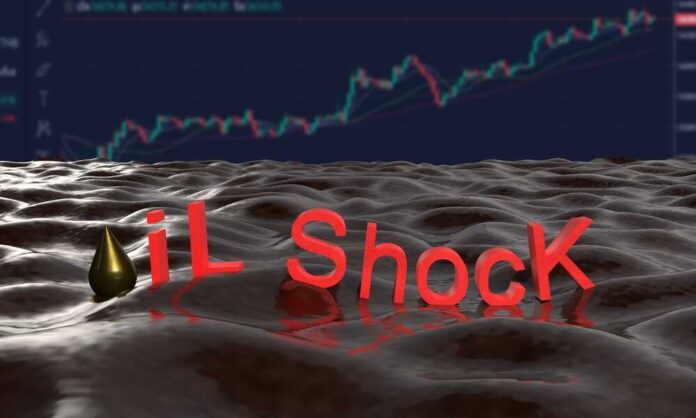
Oil snapped above $90 a barrel within hours of a U.S. strike near the world’s most fragile oil chokepoint.
Story Snapshot
- U.S. Central Command struck two Iranian launchers on Larak Island, citing an imminent threat to the Strait of Hormuz.
- Officials called it a limited action to protect shipping and global commerce.
- Oil jumped more than 3% as traders priced in risk to a fifth of global energy flows.
- Iran’s Revolutionary Guard vowed retaliation and claimed casualties, without a public toll.
What the U.S. Did and Why Markets Flinched
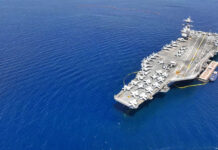
U.S. Central Command said American forces hit two Iranian launchers on Larak Island after watching Iranian Islamic Revolutionary Guard Corps personnel prepare rockets fitted with sea mines for use in the Strait of Hormuz.
Command officials framed the strike as a narrow defensive act to stop an immediate threat to civilian ships. The Strait of Hormuz moves a large share of the world’s oil. Traders reacted fast, sending Brent crude above $90 as they priced in the risk of supply trouble.
Command spokespeople also said U.S. forces had already cleared mines from shipping lanes in the strait days earlier, signaling a focus on maritime safety as well as deterrence. That detail matters to insurers, captains, and ports.
If lanes are safe and naval patrols are active, ships keep moving. If they are not, cargo backs up and freight costs spike. Energy markets tend to move on the first sign of danger and wait for proof later. That is what happened here as prices jumped on fear, not shortage.
Iran’s Claims and the Fog of Fast-Moving Crises
Iran’s Revolutionary Guard said the attack killed and wounded several fighters and civilians and promised to punish the attacker, but gave no confirmed casualty number. Iran’s foreign ministry called the strike a violation of sovereignty and later said its own hits on U.S.-linked sites were self-defense.
American officials said the target posed an imminent threat to ships and framed the mission as limited and precise. That language matches long-standing U.S. policy to keep vital sea lanes open.
If rockets with sea mines were about to launch into the tightest shipping channel on the planet, stopping them quickly protects civilians and prevents a larger war at sea. The key question for oversight remains what intelligence met the “imminent” bar.
Why Hormuz Turns Every Spark into a Price Jump
The Strait of Hormuz is the narrow throat of global energy. Even rumors of mines or missile launches force shipowners to rethink routes, premiums, and schedules.
Analysts have long warned that any credible threat here creates an instant “risk premium” in oil, which can fade if traffic stays safe or grow if attacks continue.
That is why Brent surged more than 3% on the headlines and not on actual lost barrels. Traders paid for speed and safety while waiting for proof of wider damage.
History shows that clear, firm patrols can calm prices, while mixed signals fuel panic. The U.S. message described a one-off act to block a specific threat, not the start of a wider fight. If that holds, prices can settle. If threats multiply, the premium grows.
For households, that shows up first at the pump. For businesses, it hits freight costs and margins. The faster authorities show lanes are safe and ships are moving, the faster the premium can shrink.
Crude oil prices have risen above $90 per barrel after the United States and Iran resumed military strikes over the Strait of Hormuz, reviving concerns about disruptions to global oil supplies through the strategic waterway. https://t.co/97lMzRe9RG pic.twitter.com/OWiWHfCGJY
— Nairametrics (@Nairametrics) August 31, 2026
What to Watch Next: Proof, Patrols, and Premiums
Independent images of the site, shipping insurer guidance, and satellite views of traffic will test both sides’ stories. If commercial lanes stay clear and tankers keep transiting on schedule, markets will read this as a sharp, narrow action that worked.
If threats escalate or strikes spread, expect another leg up in prices. The prudent path favors strong protection of navigation, quick public evidence when possible, and steady communication that keeps fear from outrunning facts.
Sources:
politico.com, reuters.com, time.com