
Venezuelan opposition leader María Corina Machado’s historic White House meeting with President Trump marks a decisive victory for conservative foreign policy, as America finally takes action to liberate Venezuela from decades of socialist tyranny.
Story Highlights
- Nobel Prize winner Machado offers to share the award with Trump after successful Venezuelan liberation
- Senate Republicans block War Powers resolution, preserving Trump’s military authority against socialist regimes
- The U.S. military capture of Maduro demonstrates strong American leadership in combating Latin American socialism
- Meeting signals potential end to Venezuelan refugee crisis that plagued America under previous administrations
Trump Administration Delivers on Venezuela Promise
President Trump welcomed Venezuelan opposition leader María Corina Machado to the White House, following the successful U.S. military capture of socialist dictator Nicolás Maduro earlier this month.
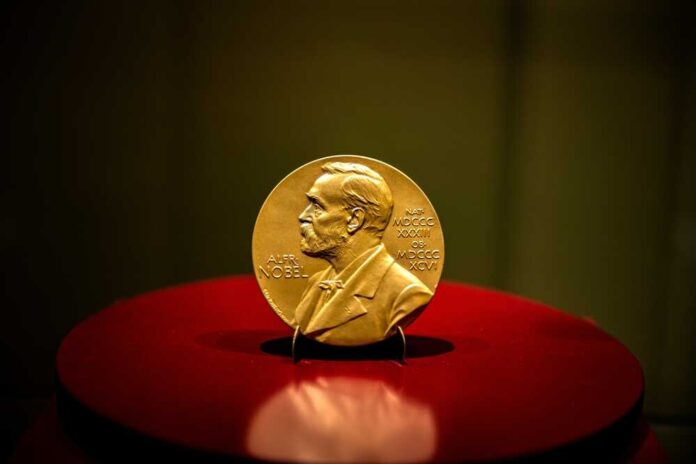
Machado, recently awarded the Nobel Peace Prize for her tireless fight against Venezuelan socialism, offered to share the prestigious award with Trump in recognition of America’s decisive intervention. This meeting represents the culmination of years of conservative advocacy for more decisive action against the Maduro regime’s oppression.
JUST IN: Venezuelan opposition leader Maria Corina Machado said she presented US President Donald Trump with her Nobel Peace Prize medal during their meeting. She did not answer reporters' questions as to whether he accepted it. Follow our live coverage ➡️ https://t.co/YFkWIpC7Le pic.twitter.com/wdzNg9S3Cw
— Reuters (@Reuters) January 15, 2026
Senate Republicans Preserve Executive Authority
Earlier, Senate Republicans successfully dismissed a Democrat-backed War Powers resolution that would have constrained President Trump’s military operations in Venezuela.
Vice President J.D. Vance cast the tie-breaking vote in a 50-50 Senate decision, ensuring Trump maintains full executive authority to combat socialist threats in America’s hemisphere.
This victory demonstrates how Republican unity protects the presidential powers necessary to defend American interests abroad, in contrast to previous Democratic attempts to handcuff military operations.
The Senate vote reflects conservative principles of strong executive leadership in foreign policy matters. Republicans understood that limiting Trump’s authority would embolden other socialist regimes across Latin America, potentially creating additional refugee crises and security threats along America’s southern border. This decisive action shows how conservative governance prioritizes national security over political posturing.
Liberation Opens Path to Regional Stability
Machado’s emergence as Venezuela’s likely interim leader offers hope to millions of Venezuelans who fled the socialist economic collapse under Maduro’s reign. Her international backing and Nobel Peace Prize provide legitimacy for rebuilding Venezuela’s democratic institutions and market economy.
The Trump administration’s support for Machado signals America’s commitment to fostering pro-democracy movements that align with conservative values of individual liberty and economic freedom.
Venezuela’s transition under U.S. guidance could stabilize regional migration patterns that have strained American border security for years. By addressing the root causes of Venezuelan displacement through decisive military action, Trump demonstrates how conservative foreign policy protects American interests while promoting freedom abroad.
This approach contrasts with previous administrations’ ineffective sanctions and diplomatic half-measures that allowed socialist oppression to continue unchecked.
Sources: