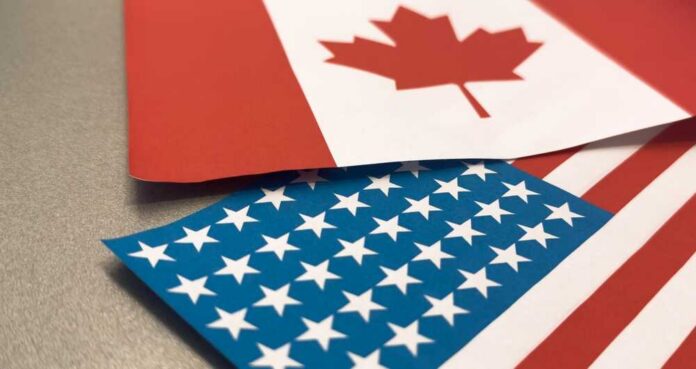
Canada answered Washington’s tariff punch with a “dollar for dollar” counterpunch and set a date to land it.
Story Snapshot
- President Trump raised tariffs on Canadian goods; Canada vowed to retaliate in kind.
- Prime Minister Mark Carney set Sept. 8 as the start date for counter-tariffs.
- Targeted U.S. imports include steel, dairy, appliances, farm equipment, pulp, paper, and electronics.
- Ottawa rejected a U.S. offer and recalled negotiators, signaling a firm line.
Canada Sets a Clear Line and a Firm Clock
Prime Minister Mark Carney said Canada will match the new U.S. tariffs “dollar for dollar,” and he gave business a date to plan around: after Labor Day, Sept. 8. Major outlets reported the same timing, reducing guesswork for shippers on both sides of the border.
Canada listed broad sectors in its sights. That list gives importers and retailers a heads-up on what to hedge, reroute, or delay before the new costs arrive.
President Trump’s move set the stage. The White House said the new U.S. tariffs, up to 50 percent on certain Canadian goods, answer what it called Canada’s unfair treatment of American products.
Carney framed Ottawa’s reply as equal and focused on protecting Canadian jobs and businesses, matching the measure rather than escalating it beyond parity. The shared message from both capitals is simple: stand firm, signal resolve, and create leverage at the table.
What Gets Hit, and Why Those Sectors Matter
Reporting points to steel, dairy, appliances, agricultural equipment, pulp and paper, and electronics as the main targets for Canada’s counter-tariffs.
These sectors touch core regions: mills and foundries in the Great Lakes, dairy belts across border states, and equipment hubs that feed farm towns.
Ottawa chose areas with political weight in the United States. That is classic leverage design in trade fights: cause pain where leaders must listen without outright breaking supply chains.
Canada has used this playbook before. In 2018, it responded to American steel and aluminum tariffs with its own tariffs. Research on that episode found higher prices at home and real costs, but also a clear political message to Washington that Canada would not fold.
The pattern today looks similar. The near-term hit shows up in checkout lines and factory orders. The hoped-for payoff is a faster path back to zero tariffs when cooler heads meet.
Talks Broke Down, and Ottawa Chose Pressure Over Pause
Negotiations collapsed before this latest volley. Reuters reported that Canada rejected a U.S. offer and told its team to return to Ottawa. A source summed up the stance: “We cannot accept what they’ve offered and we will not give what they’ve asked.”
That hard line arrived with the “dollar for dollar” pledge and a list of sectors that Washington would notice. The sequence signals intent: close ranks at home, then make the next call from a position of resolve.
CANADA HITS BACK: TARIFFS ON 700+ U.S. PRODUCTS
Canada will impose retaliatory tariffs of up to 50% on more than 700 U.S. products worth $27.6 billion, including seafood, steel, dairy, machinery, appliances, electronics and clothing.
FISH & SEAFOOD PRODUCT CATEGORIES
LIVE FISH… pic.twitter.com/62Skgov2iF
— Atlantic Canada Seafood Group (@ACSeafood) August 26, 2026
American consumers and small businesses should plan for ripple effects. Tariffs are taxes, and someone pays. Higher input costs can mean thinner margins for shops that sell appliances or tools. Farmers who rely on cross-border equipment and parts may feel a squeeze.
How This Fits the Long U.S.–Canada Trade Pattern
History suggests retaliation often follows U.S. tariff hikes, with both sides using targeted pressure to shape talks rather than to sever trade. Economic work on past episodes between the two countries shows a repeated tit-for-tat pattern, in which one side’s move begets the other’s response.
The White House described its step as a push to stop Canadian discrimination against American products. Ottawa’s proportional reply sets the chessboard for the next round, not the endgame.
Sources:
youtube.com, cnbc.com, reuters.com, finance.yahoo.com, theglobeandmail.com, en.wikipedia.org, ctvnews.ca, mlex.com