

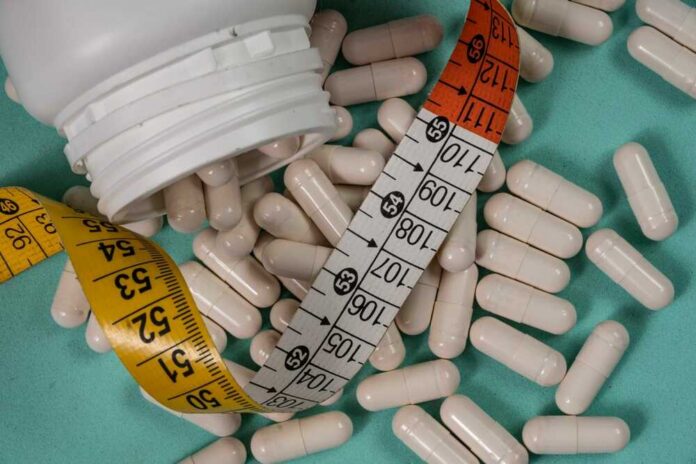
Eli Lilly just moved to shut down what it says is a black market for its still-experimental weight-loss drug.
Story Snapshot
- Lilly filed six lawsuits against U.S. sellers it says are pushing illegal retatrutide.
- Retatrutide remains investigational; no regulator has approved it for human use.
- The Food and Drug Administration warned that consumer sales of unapproved GLP-1s are illegal.
- Customs reported large seizures of illicit GLP-1 shipments, hinting at broad supply chains.
Lilly’s Legal Strike: Who, What, and Why Now
Eli Lilly said it sued six U.S. companies for selling illegal versions of retatrutide, a drug still in clinical trials. The named targets include med spas, peptide vendors, and a pharmacy, which Lilly says marketed the compound as a consumer weight-loss fix.
The company says none of these products came from approved sources and that no regulator has cleared retatrutide for human use. The timing tracks with rising hype around triple-agonist drugs that could beat today’s weight-loss options.
Eli Lilly said it is suing six companies selling versions of its experimental weight-loss drug retatrutide, calling it the beginning of a concerted effort to crack down on a vast illicit market. https://t.co/434R6CafyJ
— CBS News (@CBSNews) August 12, 2026
Lilly’s core claim rests on a blunt fact: retatrutide is investigational, not cleared for patients. The company says some sellers used websites, social media, and clinic-style storefronts to pitch the drug anyway.
It also says many used the “research use only” label while selling to people who planned to inject the compound. That label can be a tell. It signals a lab reagent, not medicine. Selling it as a weight-loss shot crosses a legal and safety line.
Regulatory Backdrop: Clear Lines, High Stakes
The Food and Drug Administration warned in June that selling unapproved retatrutide to consumers is illegal and not allowed as a compounded drug, closing off a common gray channel. That matters. Compounding pharmacies can fill gaps for approved drugs in short supply, but they cannot create copycats of unapproved medicines.
When sellers claim otherwise, they set up customers for risk without the guardrails of approval, dosing standards, or oversight. That is where regulators usually step in hard.
U.S. Customs and Border Protection told reporters that officers intercepted more than 31,000 units of illicit GLP-1 drug shipments in fiscal 2025, with July seizures jumping to nearly 90,000 vials.
Those figures do not prove what any single defendant did, but they show scale. Demand is massive. Supply follows, often offshore, and often without quality checks. When money and hype lead, safety tends to lag. That is the pattern the agency data suggests.
The “Research Use Only” Defense Meets Real-World Marketing
It was reported that Lilly accuses defendants of hiding behind “research use only” while pitching a consumer weight-loss cure. That mismatch matters more than a fine-print label.
If ads push injections, if med spas sell “programs,” or if staff discuss doses and weekly shots, the product is not treated as a lab chemical. It is treated like a drug. That framing supports Lilly’s claim that the sales were consumer-facing rather than legitimate research distribution.
Reporters also noted Lilly’s claim that some products came from unlicensed or uninspected facilities overseas, with no verified ingredients. If true, that undercuts any safety claim.
It also aligns with the government’s broader warnings to avoid online “peptides” for weight loss that skip Food and Drug Administration standards. Consumers who think they are getting a clean, dosed, sterile vial may instead be gambling with unknown potency and contamination risk.
What We Know, What We Do Not, and How to Judge It
The press coverage relies on Lilly’s statements and high-level regulatory positions. The public record here does not include the actual complaints or exhibits, so the exact legal counts and evidence are not yet visible.
There is also no defendant-side rebuttal in the reporting. That gap does not erase the red flags. It means the case details will sharpen once filings, lab tests, and chain-of-custody records surface. Until then, the risk logic and the law are the firm ground.
Eli Lilly is suing six companies over retatrutide, four of them peptide research vendors selling it without a prescription.
Multiple well known peptide vendors also went dark earlier this year. Related? Unclear, but worth asking.
Breaking down the lawsuit in the server 🧵 pic.twitter.com/RWhMDCtndl
— BioChemSociety (@BioChemSocietyX) August 12, 2026
This case looks simple. Do not market an unapproved drug to consumers. Do not dodge rules with labels that say one thing and sales that do another.
Follow the Food and Drug Administration, keep the supply chain clean, and protect patients first. Lilly has both a duty and an interest to police its pipeline. Courts will sort the facts, defendant by defendant. For buyers, the rule is clearer right now: if it is not approved, do not inject it.