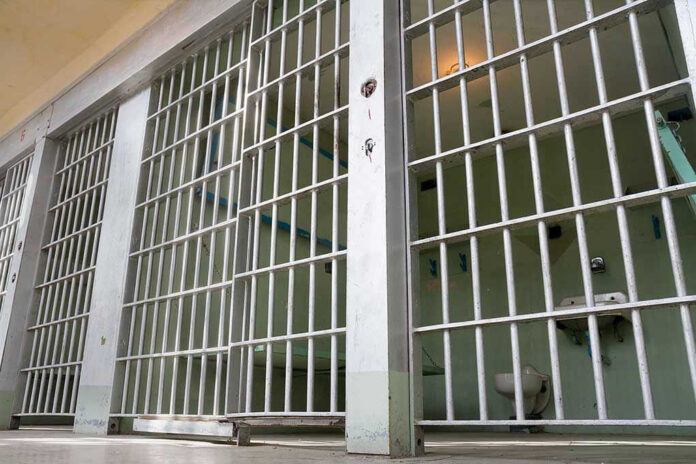
A federal judge just drew a bright line: sweltering Texas prisons without air conditioning cross the Constitution’s limit.
At a Glance
- A U.S. district court ordered Texas to install air conditioning in every state prison by December 31, 2029.
- The judge found extreme heat behind bars “plainly unconstitutional,” citing the Eighth Amendment.
- The order follows a full federal trial record, including heat readings over 100 degrees inside units.
- Texas’ prison agency has estimated full system costs between $1 billion and $1.5 billion and sought partial funding.
The Order: A Firm Deadline And A Clear Constitutional Rationale
U.S. District Judge Robert Pitman ordered Texas to air-condition all state prisons by the end of 2029. He concluded that extreme heat in uncooled lockups violates the Eighth Amendment’s ban on cruel and unusual punishment, calling the practice “plainly unconstitutional.”
The ruling requires the state to craft and carry out a plan now, not later, to meet the deadline. The court’s message is simple: punishment is loss of freedom, not exposure to dangerous heat.
The decision tracks established law. Courts have long held that officials cannot expose people in custody to conditions that create a serious risk of harm. Prior cases recognized extreme temperatures as a constitutional problem, just as they have for extreme cold.
The Texas ruling fits that line of cases: when heat crosses from discomfort to risk, the Constitution steps in. This is not about comfort; it is about basic safety and dignity under the law.
What The Evidence Showed: Heat, Harm, And Insufficient Fixes
The court relied on a two-week trial record in Austin. Evidence included temperature readings above 100 degrees inside multiple units. Reporting tied past summers to deaths and a wave of heat-related illnesses, sharpening the stakes.
The judge heard both sides and ruled that current stopgaps like fans, ice, and cool showers do not fix the core hazard when cells still bake in triple-digit heat.
For readers who ask, why now, the answer is the record. The case moved from claims to proof: real temperatures, real medical events, and real risk.
That is why the court moved from warnings to a systemwide remedy with a deadline. The pattern matches major reform cases: courts identify the violation, test proposed fixes, and, when those fail, order concrete steps with dates and duties.
The Price Tag: Big Numbers, Bigger Priorities
Texas’ own estimates put full air conditioning across the system at roughly $1 billion to $1.5 billion. The Texas Department of Criminal Justice sought hundreds of millions to expand cooling and has already received some funds in recent sessions.
The agency asked for about $298 million for near-term upgrades, with plans to stage larger obligations across future budgets. Those filings signal that the state sees the scope and is mapping a path to pay for it.
Sticker shock is real. But Americans know two truths here. First, the Constitution sets the floor. Government can’t balance away core rights just because the fix is hard.
Second, doing it right often costs less than doing it twice. Heat injuries, emergency care, wrongful death suits, and staff turnover all carry a price. Reliable cooling protects inmates, officers, and taxpayers who fund both sides of the ledger. That is prudence, not indulgence.
Implementation: How Texas Can Hit The 2029 Finish Line
Texas can phase this smartly. Prioritize the hottest regions and the most vulnerable housing first. Target cell blocks where temperatures spike, and ventilation is worst. Use standardized designs and bulk buys to speed up work and control costs.
Expand electrical capacity early to avoid bottlenecks. Pair new air conditioning with maintenance schedules that keep systems working through long summers. Publish quarterly progress so lawmakers, staff, and families can track real gains, not promises.
Judge orders Texas to have air conditioning at all prisons by end of 2029 https://t.co/IrQkQghdZe
— ABC13 Houston (@abc13houston) September 23, 2026
The agency already has momentum. It reports tens of thousands of beds are now cooled and more are in the pipeline. The court order converts that momentum into a complete plan with a firm end date.
If Texas keeps stacking funded projects, targets choke points, and locks in timelines with vendors, the 2029 mark is reachable. Meeting it honors the Constitution, supports staff safety, and shows that the state can solve hard problems at scale.
Sources:
nypost.com, texastribune.org, wftv.com, cnn.com, spectrumlocalnews.com, insurancejournal.com, newsmax.com, nytimes.com, storage.courtlistener.com, npr.org, supremecourt.gov, wavy.com