
Mars just changed the color of America’s candy aisle without touching the classics.
Story Highlights
- M&M’s, Skittles, and Starburst now have versions without artificial dyes.
- Natural colors come from beet juice, turmeric, spirulina, and beta-carotene.
- The rollout starts online first, including Amazon access.
- Classic, dye-based versions remain on shelves alongside the new options.
What Mars Is Actually Changing—and What It Isn’t
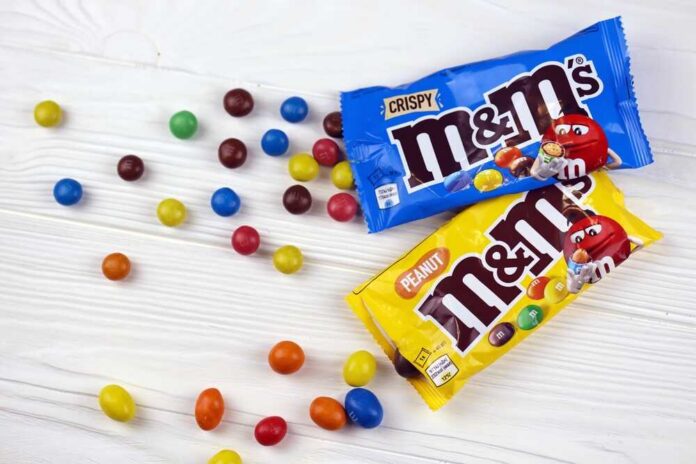
Mars Wrigley North America said it would offer “product options” without artificial colors across key brands starting in 2026. The company named M&M’s Chocolate, Skittles Original, Extra Spearmint gum, and Starburst Original as the first to get clean-color versions.
This is a choice strategy, not a ban. Mars will sell both lines side by side. That gives shoppers control and reduces risk if taste, texture, or price shifts cause pushback. It also invites a real market test rather than a mandate.
Some of the country's most recognizable candies are getting a makeover.
Starting Thursday, new versions of M&M's, Skittles and Starburst made without artificial food dyes are available to consumers on Amazon. https://t.co/FZfuqmNznz
— ABC News (@ABC) August 13, 2026
New versions of M&M’s, Skittles, and Starburst without artificial dyes are now available online. Reports point to Amazon listings for launch access. That makes sense for speed and feedback.
Online lets Mars monitor sales and reviews, then scale to stores if response is strong. A phased channel plan also protects retailers from confusion at the shelf. No one wants a candy-aisle color war at Halloween because of sudden formula swaps.
How The New Colors Work
The new palette leans on plants and well-known color sources. Beet juice drives red. Turmeric delivers yellow. Green comes from blends of turmeric, beet, and spirulina. Beta-carotene and other carotenals round out oranges and golds.
These are not fringe ingredients. They show up in many snacks and drinks. The challenge is hitting bright, stable shades that survive heat, light, and time. That is tougher in chocolate shells and chewy fruit candies than on a label.
Early versions of dye-free M&M’s skip blue and brown. Reports tie that to technical and cost hurdles in matching those shades without certified synthetic dyes. That is not a scandal; it is engineering.
Blue is hard to achieve and keep stable in many foods. Brown is a mix job that must look “right” on a tiny, glossy shell. Mars appears to be shipping a solid four-color set first, then pushing for a full rainbow later as the science tightens.
Why This Shift Now
Parents have asked for simpler labels for years. Retailers reward cleaner ingredient decks with better placement. Regulators worldwide keep pressure on artificial colors. Mars meets the moment by adding natural-color options while keeping the originals.
The company also reduces risk by controlling pace and scope. Online-first sales limit waste if a batch underperforms. Smaller runs speed learning on color fade, flavor notes, and packaging claims.
If results hold, Mars can scale to broad retail. If not, the traditional line keeps shelves stocked. This is how big food companies tune cost, quality, and trust without gambling the brand’s core identity.
What Shoppers Will Notice
Expect colors that are a bit softer at first. Plant-based reds read more berry than neon. Yellows lean warm. Greens may skew earthy. Chew and snap should stay familiar, but flavor can shift slightly because natural color carriers can bring minor notes.
Online reviews will expose any misses fast. Price is the wild card. Natural colors often cost more, but Mars gains scale power. If the company holds the price line, adoption jumps. If not, the option risks niche status.
Brand trust hinges on honest labels and steady taste. Mars gains credibility by stating these are additional options, not replacements, and by naming the brands in scope.
That clarity keeps expectations fair and avoids panic about losing the classic mix at the checkout lane. Skeptics will still ask whether the move is marketing. The better test is repeat buys. If families come back for plant-colored bags, the change is real enough where it counts.
How To Choose At The Shelf
Pick based on your priorities. Want the familiar rainbow and price? Grab the original bag. Want plant color sources and a simpler ingredient list? Choose the new version.
Check the front of pack for “without artificial colors” language. Online product pages should show ingredient panels. For kids’ parties or bake mixes, sample a small bag first. Natural shades can bake or melt a bit differently. If you like what you see and taste, scale up for holidays.
Bottom Line
Mars moved a giant step toward cleaner labels without forcing anyone’s hand. That strikes a smart balance between innovation and choice. The company earns points for naming the plan, starting with online access, and being clear that the classics remain.
If the plant-colored versions can nail brightness, hold cost, and keep taste steady, expect more candy makers to follow the same path—quietly, steadily, and led by what shoppers choose next.
Sources:
abcnews.com, facebook.com, ts2.tech, thehill.com