
President Trump ordered the federal government to rebrand artificial intelligence as “super intelligence,” and tech giants signed a separate accord the same week.
Story Snapshot
- Trump directed agencies to use “super intelligence” in government documents and messaging.
- Reports say an executive order set the term and its use across public-facing materials.
- The State Department told diplomats to switch language to “super intelligence” and “SI”.
- Top tech leaders signed a separate voluntary safety and innovation accord with the White House.
Trump Makes “Super Intelligence” Official Government Language
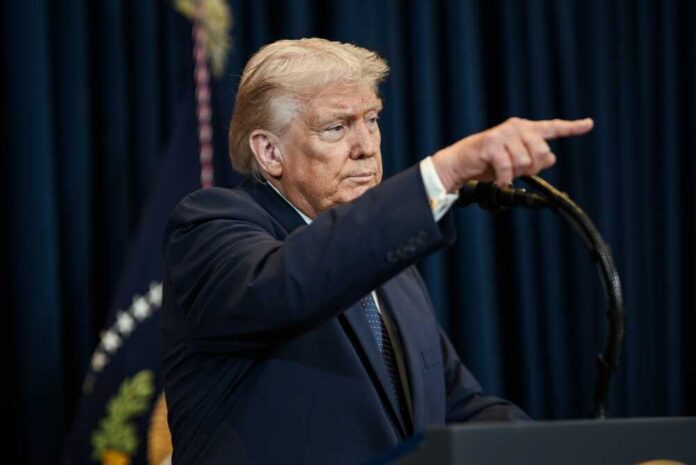
President Trump told the United Nations and a Washington audience that the United States will use “super intelligence” instead of artificial intelligence in all federal documents and communications. He said the term better fits the technology’s power and future role.
Multiple outlets reported that he signed an executive order that directs agencies to use the new term on websites, reports, and policy papers. The move anchors the administration’s pro-innovation stance while rejecting language Trump says “sounds fake”.
The State Department moved first. An internal email from a senior official told diplomats to replace “artificial intelligence” with “super intelligence” in remarks, positions, and press materials, and to use “SI” going forward.
That signal matters because diplomatic language sets baselines in talks, communiqués, and treaties. When embassies, envoys, and spokespersons adopt a term, it tends to spread across agencies that coordinate with them daily.
Tech Titans Ink A Parallel Accord At The White House
At the Andrew W. Mellon Auditorium, Trump hosted a meeting with leading technology executives and announced a new government website as a preview of what “super intelligence” could deliver. In the same stretch, the White House unveiled a voluntary accord with major companies.
Reporting described the accord as a self-policing framework focused on safety, disclosure, and rapid response to harms, signed by prominent industry leaders. The accord sits alongside, not inside, the naming order’s mandates for agencies.
BREAKING: President Trump says that he and tech leaders have officially changed the name of AI to 'Super Intelligence.' pic.twitter.com/MkuWluXqEu
— Fox News (@FoxNews) September 29, 2026
Two tracks emerged. The naming order binds the federal bureaucracy’s language, from public reports to style guides, according to reporting on the executive order. The industry accord binds reputations, not law.
Why Words Matter In Technology Policy
Presidents choose words to set priorities. “Super intelligence” pushes a posture of strength and ambition. It also draws a line on regulation. Trump linked the change to a growth-first message, urging faster adoption and lighter red tape.
The label aims to rally talent, capital, and public attention. It says the United States will not apologize for leading. Language does not write code, but it sets budgets, directs hiring, and frames what government asks industry to build.
Experts note that “superintelligence” already refers to systems that surpass human ability across most tasks. That technical meaning predates this policy shift and may not match today’s tools.
But the administration’s goal is more practical: align government speech with urgency and scale, then let the market race. If agencies stick to one term, coordination improves.
If companies compete under a shared banner, branding can aid recruiting, investment, and public understanding, even if academics keep their stricter definition.
What Changes Now For Agencies And The Market
Agencies must update websites, reports, and briefings to reflect the new term, according to coverage of the order. The State Department’s quick guidance shows how that happens, from speech drafts to talking points.
Expect edits to procurement documents, grant calls, and research summaries. For industry, the voluntary accord will be the bigger near-term lever.
Companies promised clearer safety practices and faster fixes when things go wrong. That can reduce headline risk while keeping innovation at speed.
One Practical Caveat
Some coverage said public proof of the order’s full text was not immediately available at the time of the initial reports, even as agencies began to implement the new language.
That does not change the week’s core reality: the White House set the term, the diplomatic corps moved to use it, and America’s biggest tech names aligned around a parallel safety accord.
Sources:
townhall.com, cnbc.com, bbc.com, defenseone.com, afp.com, cnet.com