
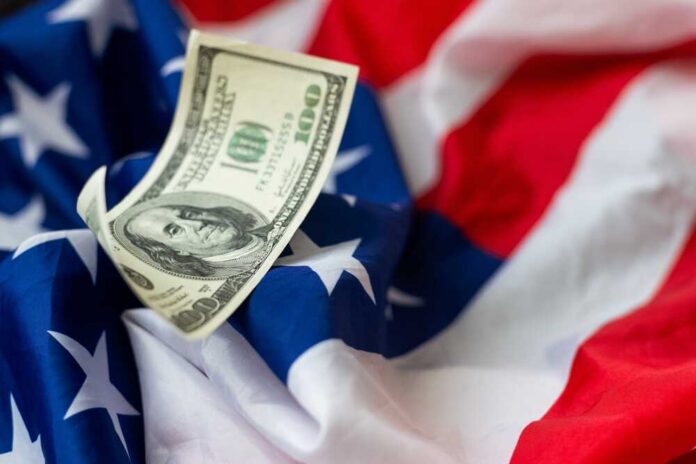
Across dozens of U.S. cities, crowds are racing to snatch hidden cash from parks, sidewalks, and storefronts—because creators are planting real money in plain sight.
Story Snapshot
- Cash-drop accounts now operate in roughly two dozen cities with millions of followers.
- Creators tuck bills into everyday objects and post clues, sparking fast, crowded hunts.
- Finders often grab the cash within minutes while latecomers flood the scene.
- Local spinoffs in Cleveland, Dallas, Austin, and more show the trend’s rapid spread.
How the hunts actually work on the ground
Creators film themselves stashing cash in everyday items, then post a short clue and a map hint. Money shows up in candy bags, envelopes, takeout boxes, key locks, paint cans, even under basketballs or footballs. Followers jump in cars or sprint from nearby blocks to reach the spot.
Videos show bills pulled out, cameras rolling, and a quick wave. Many posts end with a new tease for the next drop. CBS News reviewed more than 50 such accounts.
People are scrambling to find wads of cash dropped all over American cities. Here's how they're doing it.
https://t.co/cFx2LeDn0I— CBS News (@CBSNews) August 21, 2026
Winners do not linger. They grab the bundle and go, because others are often seconds behind. Subsequent clips show late arrivals scanning bushes and benches after the stash is gone. That urgency drives the views and the foot traffic. It also turns quiet corners into crowded scenes in minutes.
Accounts rinse and repeat multiple times a week, seeding habits across neighborhoods and creating micro-rush hours for free money.
Scale, cities, and the copycat engine
Cleveland’s cash hunts draw big crowds with occasional bonus prizes like sports tickets, showing how local pages build loyalty and spectacle at once.
Dallas and Austin now have their own city-branded pages, placing bills near landmarks and busy corridors to juice turnout and watch time.
This mirrors the 2014 “HiddenCash” wave, which began as an anonymous giveaway and triggered city-to-city clones before the originator shut it down for size and safety concerns.
The current wave is larger and more systematized. National outlets counted more than seven million combined followers across the accounts they reviewed, which explains why even small drops can pack sidewalks fast.
Regional media in San Diego, Wichita, and elsewhere describe a weekly cadence, with consistent formats and recognizable editing styles that feel like a franchise model for micro-giveaways.
Why people chase: need, novelty, and the algorithm
Creators blend three hooks. First, real cash in hard times is a strong draw, even at $50-$250 per hit. Second, the scavenger chase taps childhood joy and neighborly word-of-mouth.
Third, short video platforms reward quick reveals and cliffhangers, so each drop becomes a mini-episode with a clear payoff. This triple hit keeps turnout high and fuels more drops. Viewers see someone win and think, “Next time, that could be me.”
Local variants add incentives that widen the net. Cleveland organizers sometimes tuck in tickets or merch, which attracts fans who might not race for small bills alone.
Wichita’s weekly “two fifties” format sets an easy-to-learn rhythm that regulars plan around, keeping a steady flow of fresh clips and repeat hunters. Consistency is content gold; the hunt is the show, and cash is both prize and prop.
The rules problem no one wants to think about mid-sprint
City laws do not always see “found money” as a gift. Attorneys in Charlotte warned that taking cash you find can trigger theft statutes if the property is not clearly abandoned, and they urged people to turn found cash over to police or get legal advice first.
That advice clashes with the fast, first-grab culture of the drops. It also sets a line that creators should respect with clearer labeling and permission from property owners.
Public safety deserves the same plain view. Past money-on-the-road frenzies have pushed people into traffic for loose bills, which is a risk no small windfall can justify.
Sources:
cbsnews.com, indianexpress.com, asiae.co.kr, leoweekly.com, instagram.com, charlotteobserver.com, latimes.com, wmbdradio.com, axios.com