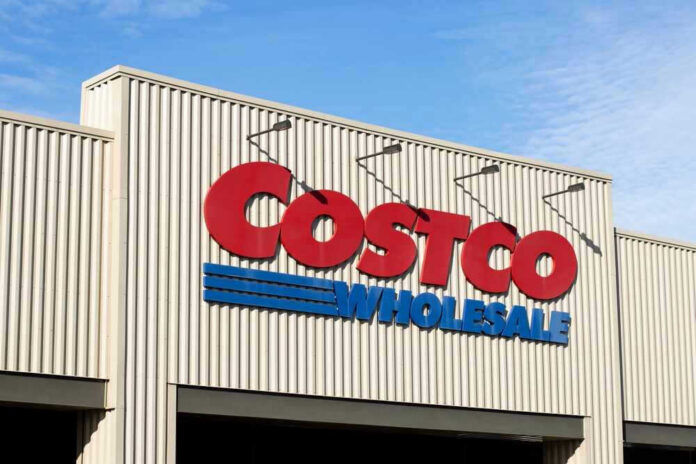
A box labeled “steak burrito” is not supposed to hide an egg breakfast burrito inside, but that is exactly what happened at Costco stores across three states.
Quick Take
- Federal officials issued a public health alert for Red’s Steak, Cilantro & Lime Burritos sold at Costco.
- The boxes reportedly contained egg burritos instead, with egg not listed on the label.
- A shopper’s discovery triggered the alert, and no illnesses have been reported so far.
- No formal recall was requested because the product is no longer for sale, but officials warn it may still sit in home freezers.
What The Alert Says And Why It Matters
The Food Safety and Inspection Service (FSIS), a branch of the United States Department of Agriculture, issued the alert on July 29. It warned that Red’s Steak, Cilantro & Lime Burritos “contains egg, a known allergen, which is not declared on the product label”.
That single sentence carries real weight for anyone with an egg allergy, since undeclared allergens can trigger reactions ranging from hives to dangerous breathing trouble.
A labeling error has led the U.S. Department of Agriculture to issue a public safety alert for frozen burritos made by a popular brand and sold in Costco stores. https://t.co/jOYvyXQA99
— FOX 5 NY (@fox5ny) July 29, 2026
Officials named the exact product involved, its production date of June 19, 2026, and the plant’s establishment number, EST. 46069. That level of detail lets grocery shoppers check package codes against the alert instead of guessing whether their frozen dinner is affected.
A Shopper’s Discovery Started The Whole Thing
The alert did not start with a lab test or a routine inspection. It started with a customer who opened a box marked “steak” and found something else entirely.
Reporting says the alert was “prompted by a consumer who discovered that the Red’s Steak, Cilantro & Lime Burritos were not steak burritos after all”. That kind of consumer tip is often the first line of defense in food safety, catching problems before they spread further.
The mix-up points to a packaging or line error somewhere between the plant and the store shelf. Public reporting has not spelled out exactly where the error happened, whether at the filling line, the packaging stage, or during distribution. What is clear is that the wrong product ended up in the wrong box, and the label never caught up to reflect what was actually inside.
Where The Burritos Were Sold And Who Should Worry
The affected burritos shipped to Costco distribution locations in Illinois, Michigan, and Minnesota. Consumers in those regions who bought the Red’s brand steak burritos are the ones federal officials want to reach directly.
Anyone with an egg allergy who has these burritos in a home freezer is being told to throw them out or return them, rather than risk eating a product with a hidden ingredient the label never mentioned.
USA Today reported that “no reports of illness or adverse reactions have been reported to FSIS” as of the alert’s release. That absence of reported harm is genuinely good news, but it does not make the warning any less serious.
Federal food safety officials do not wait for someone to get hurt before acting. They act when the label is wrong and the risk is real, which is exactly the preventive posture on display here.
Why No Formal Recall Was Ordered
Some readers may wonder why this stopped at an “alert” instead of a full recall. The answer is simple: the product is no longer available for purchase anywhere, so a recall in the traditional sense would not pull anything off store shelves.
FSIS still pushed out the public warning because it worried the mislabeled burritos could be “buried in shoppers’ freezers,” sitting forgotten for weeks or months after the original purchase.
That distinction matters for how consumers should think about food safety warnings generally. A recall pulls a product from stores.
An alert like this one exists because the danger has already left the store and moved into people’s homes, where it is harder to track and easier to overlook. Frozen food, in particular, can sit untouched for a long time, which is precisely why officials wanted this message out quickly and clearly.
The Bigger Pattern Behind Allergen Alerts
Undeclared allergens remain one of the most common triggers for food safety alerts and recalls nationwide. A small labeling mistake or a packaging line error can send an allergy-triggering ingredient into thousands of homes before anyone notices.
This case fits that familiar pattern exactly: a packaging mix-up, a sharp-eyed consumer, and a federal agency moving to warn the public even without a single confirmed injury on record.
The full internal details of how this specific error happened have not been made public. What consumers do have is enough information to act. Anyone holding one of these boxes, especially households managing an egg allergy, should check the codes against the FSIS alert and treat the warning seriously, no confirmed illness required.
Warnings like this one work best when people actually see them before it is too late. Checking freezer contents against a federal alert takes a few minutes and could prevent a serious allergic reaction down the road.
Sources:
foxbusiness.com, simplyrecipes.com, usatoday.com, foodsafetynews.com