
Target is expanding protein and supplement offerings to capitalize on the booming trend of GLP-1 weight loss drugs reshaping American consumer behavior.
Story Highlights
- GLP-1 weight loss medications like Ozempic and Wegovy are driving demand for high-protein and supplement products.
- Target plans to expand shelf space for protein bars and supplements in early 2026 to meet new consumer needs.
- Weight-loss drugs are also increasing demand for athletic apparel and home fitness equipment.
- Major companies are launching products and labeling initiatives tailored to GLP-1 users’ nutritional requirements.
GLP-1 Drugs Transform Consumer Food and Health Choices
The rapid rise of GLP-1 medications, initially designed for diabetes patients, has evolved into a nationwide weight loss phenomenon, profoundly influencing how Americans shop and eat.
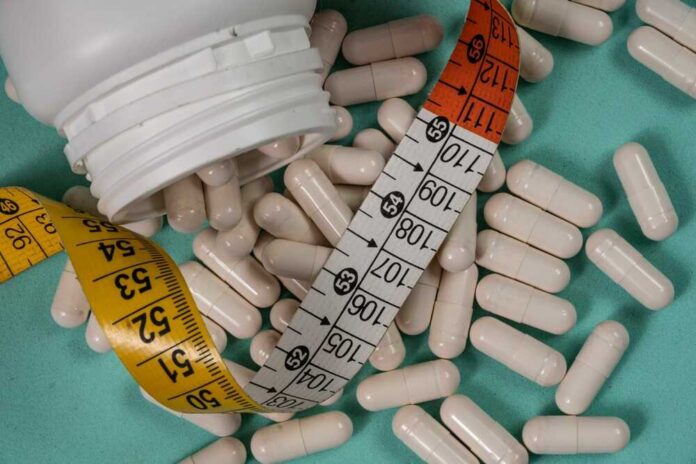
These drugs suppress appetite, creating a nutritional gap that consumers are filling with high-protein and high-fiber foods and dietary supplements.
Target’s chief merchandising officer, Lisa Roath, acknowledged the shift in behavior, noting that customers are increasingly seeking protein-rich items and supplements to compensate for appetite suppression caused by these medications.
Target’s response includes plans to expand shelf space in early 2026 to accommodate more protein bars and supplements, catering directly to this emerging market niche.
The company is also seeing growth beyond food, with increased consumer interest in athletic apparel and home fitness gear, reflecting lifestyle changes driven by weight loss and renewed activity. This signals a broader cultural shift toward health-conscious consumerism influenced by pharmaceutical trends.
Target beefs up protein, supplement offerings, capitalizing on weight loss drug trend https://t.co/zCp4zpVZKy
— FOX Business (@FoxBusiness) December 10, 2025
Corporate Strategies Aligning with Weight Loss Drug Trends
Target is not alone in adjusting its product lines to serve GLP-1 users. Nestlé Health Science launched a personalized care platform to address the unique nutritional needs of this group, emphasizing muscle preservation, digestive health, and micronutrient intake.
Similarly, Conagra Brands introduced an “on track” badge to help consumers identify GLP-1-friendly products that are high in protein, low in calories, and fiber-rich. These efforts reflect a growing corporate focus on catering to customers whose dietary patterns are altered by these medications.
Danone North America also entered this space with the launch of Oikos Fusion yogurt, explicitly marketed to support muscle maintenance and digestive health for those undergoing weight-loss journeys, including GLP-1 users.
This product innovation highlights how companies are tailoring offerings to meet the needs of consumers affected by appetite-suppressing drugs. This trend is gaining momentum as millions adopt these medications.
Market Growth and Economic Implications of GLP-1 Medications
Morgan Stanley projects the weight loss medication market to reach $150 billion by 2035, driven by an estimated 11% of the 1.3 billion eligible global population using obesity drugs.
In the U.S., the largest market for these drugs, the number of users could increase from 8 million today to 30 million by 2035, representing up to 25% of the obese population. This vast market potential is reshaping consumer goods industries, from food retail to health supplements and lifestyle products.
The economic impact extends beyond retail shelves. The surge in demand for fitness-related apparel and home exercise equipment at Target suggests a broader lifestyle transformation.
Companies are capitalizing on this by expanding offerings in categories that align with healthier, more active living, further integrating pharmaceutical-driven consumer behavior into mainstream commerce.