
Thirty people died before dawn when a towering waste mound collapsed after heavy rain in Conakry’s largest landfill.
Story Snapshot
- Heavy overnight rain triggered a deadly landfill slide in Guinea’s capital, killing 30 people.
- The collapse struck around 2 a.m. in the Gbessia area near the Dar Es Salam landfill.
- Shacks and tents at the dump’s edge were buried; officials reported dozens injured.
- Authorities had planned to close the site, calling it unsafe before the disaster.
What Happened, Where, and When
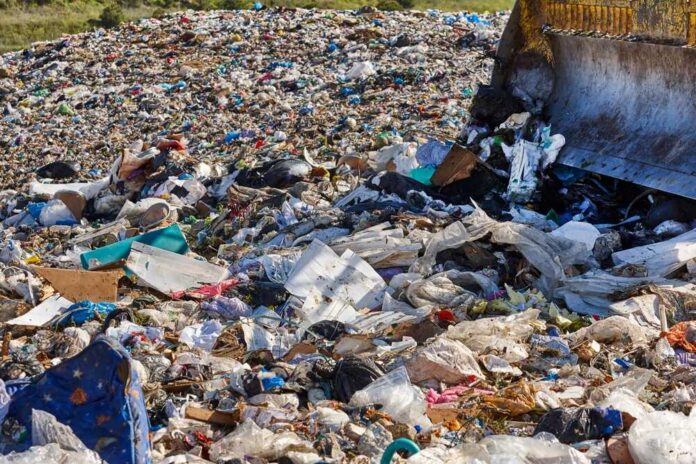
Guinea’s government reported a catastrophic slide at the Dar Es Salam landfill in Conakry after heavy rains pounded the city overnight. The collapse hit around 2 a.m. and sent a mass of waste down onto nearby shacks and tents.
Officials confirmed 30 dead and reported six people with serious injuries and more with lighter wounds. The site sits in the Gbessia commune and is the city’s main dump, a sprawling garbage mountain bordered by dense, low-income housing.
First responders and civil protection teams worked through the morning to dig through unstable debris. Prime Minister Amadou Oury Bah visited the scene to direct the response and meet teams on the ground.
The government framed the rainfall as the immediate trigger and cited the need to move waste operations away from the city. Early tallies in breaking events often shift as rescue work continues, but multiple outlets converged on the death toll of 30 by day’s end.
Rescuers hunt for survivors after a landslide at a landfill in Guinea's capital killed 30 people. Heavy rains overnight prompted the collapse of a massive mound of waste that engulfed nearby tents and shacks https://t.co/5PaVINmF4g pic.twitter.com/z4vwxZNqZA
— Reuters (@Reuters) August 24, 2026
Why This Landfill Was Already on the Brink
Officials had flagged Dar Es Salam as unsafe and said it would be closed, a clear sign the hazard was known. That plan came too late for families who built or rented near the site, often in makeshift homes on cheap land.
When a waste pile grows high and waterlogged, it can act like a shaky slope. Heavy rain adds weight and pressure. That mix can push a waste face past the point of stability and send it sliding in seconds.
Conakry’s tragedy fits a wider pattern. Rapidly growing cities across Africa have seen deadly dump slides after storms. United Nations partners and city studies list repeated collapses where open dumps lack proper drainage, slope control, and buffer zones.
The lesson is simple and hard: do not let open dumps become garbage mountains next to homes. Build engineered landfills with drainage, limited heights, and space from people.
The Human Cost and The Hard Questions
The victims here were neighbors of last resort. They lived and worked at the dump’s edge because that is where land is cheapest and scrap can be found. When the slope failed, they had no warning and no margin for escape in the dark.
Rescue teams pulled survivors and bodies from a mix of mud, plastic, and metal. Hospitals received the injured. Families gathered, waiting for names. This is the most bitter cost of weak urban planning and weak waste systems.
At least 30 people have died after a landslide hit a landfill near Guinea’s capital, Conakry. Rescue teams are searching for survivors trapped under the debris, days after authorities announced plans to close the dangerous site.#Guinea #Conakry #Landslide #Africa #BreakingNews pic.twitter.com/EX0y49aECl
— FOLIN TV NEWS (@FOLINTV) August 24, 2026
Some reports noted earlier orders to push people back and secure the area. That suggests leaders understood the danger but did not finish the job in time. From a common-sense view, warnings without enforcement are not enough.
If officials deemed the site unsafe, they needed firm deadlines, visible barriers, and real relocation help. If people stayed, the risk stayed with them, and the price is now measured in graves.
What Works Next: Practical Fixes That Save Lives
Move waste operations away from dense neighborhoods and shut the old site with a real plan. That means grading slopes to safer angles, adding drainage to pull water out, capping surfaces to shed rain, and policing a buffer zone where no one builds or scavenges.
Set a simple rule: no homes within a safe distance of a dump edge. Post it, mark it, and back it up. When the rains return, that space will save lives.
Track storms and warn residents by text, radio, and loudspeaker when rainfall crosses danger levels. Place spotters and simple tilt markers on high faces to see movement early.
Train local teams to evacuate fast. Publish a closure timeline and stick to it. Share casualty lists and relocation offers in public, not just on paper. These are basic steps, not luxury upgrades. They cost less than one night like this one and honor the dead by protecting the living.
Sources:
reuters.com, apnews.com, bbc.co.uk, instagram.com, facebook.com