
One person ran at a midnight motorcycle festival in Atlantic Beach, and within seconds 19 people were on the ground in what officials later called a “mass casualty” stampede.
Story Snapshot
- Stampede at the Black Pearl Cultural Heritage and Bike Festival left 19 injured, 3 hospitalized, but no one critically hurt
- Officials say a single person running triggered a brief chain reaction of panic near the main stage
- Authorities insist there were no fights, no weapons, and no confirmed direct threat to public safety
- Questions remain about crowd density, communication, and what “mass casualty” really means for popular events
How a Midnight Celebration Turned Into a Mass Casualty Incident
Shortly after 1 a.m. along South Ocean Boulevard in Atlantic Beach, the Black Pearl Cultural Heritage and Bike Festival crowd pressed in near the stage like it does every Memorial Day weekend.[1]
Music, motorcycles, and late-night energy created the usual wall of bodies, when suddenly someone started running through the crowd.[1][2]
That simple act triggered a surge. People saw motion, sensed danger, and did what human beings have done for thousands of years: they ran too. Within seconds, dozens were on the pavement, confused and hurt.[3]
At least 19 people were injured early Sunday in a crowd stampede at an annual motorcycle festival in Atlantic Beach, South Carolina, authorities said.
Read more: https://t.co/UuutZsBHwI pic.twitter.com/ONdBtcFioC
— ABC News (@ABC) May 25, 2026
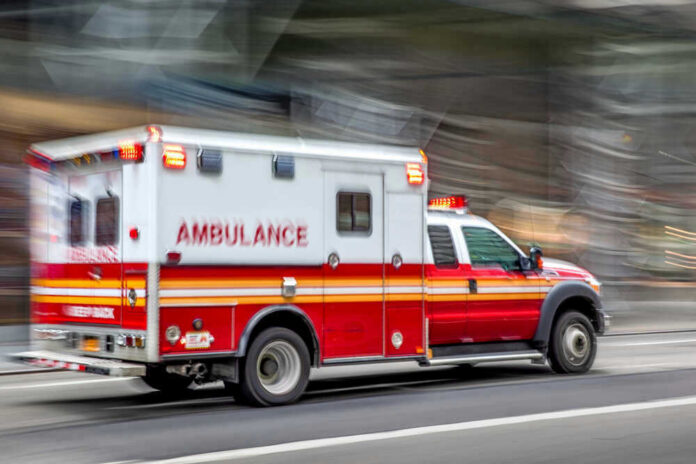
Horry County Fire Rescue treated the situation as a “mass casualty incident,” a label that speaks less to drama and more to logistics.[1] Nineteen injured people at once means different triage rules, more ambulances, and a higher state of alert.
Officials reported that three victims were transported to local hospitals while others were treated on scene, and they emphasized that none of the injuries were believed to be life-threatening.[1][2] The festival did not shut down permanently; it resumed after order was restored.[2]
Officials Say Panic, Not Violence, Drove the Chaos
Atlantic Beach town officials moved quickly to define what did not happen.[1][2][4] They said there were no confirmed fights, no weapons recovered, and no direct threats to public safety that would explain a deliberate attack.[1][2][4]
Their public statement described a brief chain reaction that lasted only seconds after one individual began running.[1][4] Local television reports echoed that framing, summarizing the event as a “brief panic” rather than a sustained riot or criminal assault.[2][3]
Law enforcement agencies were already on site monitoring the event when the surge occurred, which likely helped contain the chaos and prevent secondary problems.[2]
Officers and emergency crews moved into the crowd, calmed attendees, and reopened the area after clearing the injured and confirming there was no ongoing threat.[2]
From a public safety perspective, that is the best-case outcome in a bad moment: fast response, no fatalities, and no follow-on violence.
Why Crowds Can Turn Dangerous in Seconds Without a Single Weapon
People in dense crowds often underestimate how little it takes to flip from fun to frightening. Crowd scientists have long pointed out that most injuries at these events stem from compressive forces, trampling, and falls rather than from cinematic “stampedes” in which thousands sprint in one direction.[1][4]
Once bodies pack together tightly, the danger comes from the crowd itself. A few people stumble, others trip over them, momentum builds, and suddenly emergency crews are treating dozens for injuries.
The Atlantic Beach incident fits that pattern. Reports describe a localized surge near the stage, triggered by one person’s movement, that cascaded through a tightly packed section of the festival.[1][3][4]
No one needed to yell “gun” or fire a shot. Human beings have a deeply wired instinct to follow motion when they sense danger. In an age of mass shootings and terrorist attacks, that instinct is now primed by a steady drumbeat of headlines, which makes these chain reactions more likely even when the threat is imaginary.
Accountability, Risk, and the Conservative Question of Common Sense
Local leaders emphasized proactive safety measures: traffic shutdowns, stage closures at times, and coordinated law enforcement presence throughout the weekend.[2]
Those details matter because they show this was not a city asleep at the wheel. Officials built a security plan, staffed the event, and still watched 19 people get hurt in seconds.
That reality undercuts simplistic narratives that every bad outcome reflects malice or total incompetence. Sometimes risk management hits its limits when human nature takes over.[2]
From this perspective, the more important question is not whether government can prevent every injury, but whether it is being level with citizens about trade-offs.[1][4]
Officials quickly dismissed fights, weapons, and direct threats, which aligns with their interest in protecting tourism and reputation.[1][4]
At the same time, calling this a “mass casualty” incident signals that crowd density and emergency capacity reached a serious threshold. Responsible adults hear both messages and ask: if one runner can injure 19 people, how tight are we packing these crowds?
Learning the Right Lessons Before the Next Festival
Atlantic Beach has a recent history of panic at this same event. Local reporting notes that during last year’s festival, a couple of fights triggered crowd fear that sent 12 people to the hospital and left six more signing medical transport waivers.[1]
When similar patterns repeat year over year, the issue is not just one reckless individual. The structure of the event—how people flow, where bottlenecks form, how information moves—becomes the real story.
Future festivals will face a choice between cosmetic reassurance and structural adjustment. More visible officers and nicer press releases cost less than redesigning stages, widening access paths, or limiting maximum density near high-energy areas.[1][2][4]
Attendees deserve straight talk: large, shoulder-to-shoulder crowds carry inherent danger, even when everyone is peaceful. One person runs, 19 people fall—that is the lesson Atlantic Beach just paid for.
Sources:
[1] Web – 19 injured in stampede at Atlantic Beach bike fest in South Carolina
[2] YouTube – 19 injured in stampede at Atlantic Beach Bike Fest
[3] YouTube – 19 injured in stampede at Atlantic Beach bike fest in South Carolina
[4] Web – 19 injured in crowd stampede at South Carolina motorcycle festival