
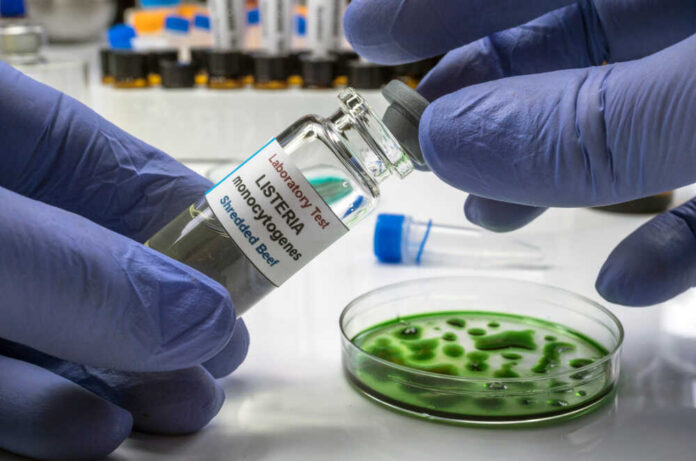
The real story here is not just that a pet food brand stopped production; it is that raw frozen dog food can go from premium product to contamination headline almost overnight.
Quick Take
- The Food and Drug Administration (FDA) warned consumers not to feed eight lots of Raaw Energy dog food after testing found harmful bacteria.[1]
- The agency said the samples tested positive for Listeria monocytogenes, Salmonella, and Campylobacter jejuni.[1][2]
- Raaw Energy later announced a recall and halted production, which made the move appear to be a precaution while the review continued.[1]
- The broader issue is not with a single brand; raw pet food has a recurring contamination problem that keeps resurfacing in regulatory warnings.[2]
What the FDA Said and Why It Mattered
The FDA’s warning was blunt: do not feed the affected lots because testing found pathogenic bacteria in multiple samples.[1] The agency said it recommended a recall after eight samples tested positive for one or more harmful bacteria, including Listeria monocytogenes.[1]
That matters because once the FDA issues a consumer alert like this, the public is not looking at a rumor or a vague quality complaint; it is looking at a tested contamination concern.[1][2]
Popular pet food brand halts production after FDA warns of possible dangerous contamination https://t.co/N0oYtsnj59
— FOX Business (@FoxBusiness) May 25, 2026
The public-facing danger is also easy to understand. Listeria, Salmonella, and Campylobacter are not obscure laboratory names; they are the kinds of organisms that can make pets sick and pose a risk to people handling contaminated food or surfaces.[1]
The FDA notice did not frame this as a style issue or a formulation dispute. It framed it as a food safety problem serious enough to justify a recall recommendation.[1]
Why Production Stopped So Quickly
Raaw Energy’s decision to stop production fits the pattern companies follow when a recall threat escalates faster than they can control the story.[1]
The FDA advisory said the firm had not yet initiated the recall at the time of the notice, which suggests regulators moved first and the company followed under pressure from the findings.[1]
Once contamination is linked to frozen raw pet food, the business choices narrow quickly: pause production, pull product, investigate, and hope the damage does not spread further.
That sequence is not a sign that the risk disappeared. It is a sign that the company recognized the seriousness of the FDA’s warning and acted before the problem could deepen.[1]
For consumers, that distinction matters less than the practical one: a contaminated lot in the supply chain can still reach a freezer, a feeding bowl, or a kitchen counter before anyone notices.[1]
The Bigger Problem Behind the Headline
This case lands inside a familiar and uncomfortable pattern. Raw pet food keeps showing up in contamination cases because raw animal ingredients are harder to control than highly processed products, and pathogens can survive if sanitation breaks down anywhere in production or handling.[2]
The FDA and reporting on this recall both repeatedly point to the same bacterial class, which is why these warnings feel repetitive to regulators but alarming to pet owners.[2]
Raaw Energy Expands Recall of Dog Food Because of Listeria Monocytogenes Health Risk https://t.co/iNQs5FTzBq pic.twitter.com/WHDr554Jq5
— U.S. FDA Recalls (@FDArecalls) May 22, 2026
That repetition should change how readers think about “natural” pet food marketing. A raw-food label may appeal to owners who want something closer to a homemade diet, but the tradeoff is plain: less processing also means less margin for error.[2]
When inspectors or laboratory tests find Listeria or Salmonella in multiple lots, the issue is no longer branding. It is whether the production system can reliably keep dangerous organisms out of the food at all.[1][2]
What Pet Owners Should Take From This Case
The safest immediate reading is simple: if a product is under FDA warning, do not feed it, do not taste it, and do not treat the recall as a theoretical problem.[1]
The advisory was aimed not only at pets but also at households, because contaminated pet food can transfer bacteria to bowls, hands, sinks, and counters.[1]
That is how a pet food story becomes a family hygiene story, and why these alerts deserve attention even from people who never bought the brand.
The deeper lesson is less dramatic but more important. Companies can stop production, announce a recall, and promise corrective action, but none of that rewrites the testing that triggered the alarm in the first place.[1]
The FDA’s position is rooted in sample results, and those results are enough to justify caution until the company proves its process is under control.[1][2]
Sources:
[1] Web – FDA Advisory: Do Not Feed Eight Lots of Raaw Energy Dog Food …
[2] Web – FDA flags Raaw Energy dog food after multistate testing finds …