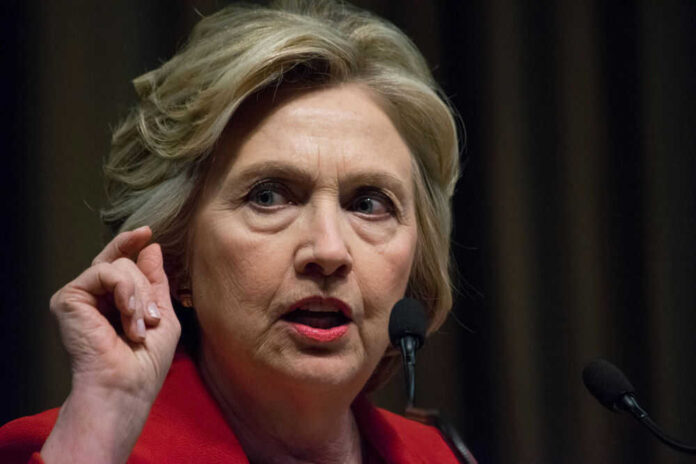
In a rare twist, Hillary Clinton promises to nominate Donald Trump for the Nobel Peace Prize—if he delivers a Ukraine peace deal that doesn’t surrender territory, putting the spotlight on Trump’s next high-stakes showdown with Vladimir Putin.
Story Snapshot
- Hillary Clinton publicly pledges to nominate Trump for the Nobel Peace Prize only if Ukraine’s full territorial integrity is preserved.
- Trump and Putin are meeting in Anchorage, Alaska, for critical negotiations to resolve the Russia-Ukraine war.
- The conditional offer marks a rare moment of bipartisan recognition, but sets a very high bar for success.
- The outcome could reshape global security, U.S. politics, and Trump’s legacy as a peacemaker.
Clinton’s Challenge: No Peace Prize Without Full Ukrainian Sovereignty
On August 15, 2025, Hillary Clinton went on record during the “Raging Moderates” podcast, stating that she would nominate Donald Trump for the Nobel Peace Prize—but only if he negotiates an end to the Russia-Ukraine war without forcing Ukraine to cede any territory. This bold, conditional offer comes at a time when many Americans have grown weary of endless foreign entanglements and want to see real results, not symbolic gestures. Clinton’s stipulation directly addresses conservative concerns about U.S. global leadership being undermined by appeasement or compromise on core democratic values. Her historic rivalry with Trump amplifies the significance of this statement: not only is she setting a tough standard, but she’s also challenging the notion that peace can be achieved by rewarding aggression.
The Russia-Ukraine conflict, now in its fourth year, has devastated millions and destabilized Europe. Trump’s summit with Putin in Alaska has revived hopes for a breakthrough, especially among Americans frustrated by years of failed diplomatic efforts and ballooning military expenditures. Conservative supporters view Trump as uniquely positioned to broker a deal, thanks to his reputation for direct negotiation and willingness to confront global adversaries. Yet Clinton’s condition reflects widespread skepticism—many experts doubt Russia will agree to terms that fully restore Ukraine’s borders, given the strategic importance of Crimea and occupied regions. The Nobel Peace Prize, in this context, becomes not just a reward but a measure of whether U.S. diplomacy can deliver genuine, lasting peace without compromising core principles of sovereignty and freedom.
Trump’s Diplomatic Gamble: Alaska Summit Holds Global Consequences
Trump’s face-to-face meeting with Vladimir Putin in Anchorage is the most consequential U.S.-Russia summit since the war began. The timing is critical: global alliances are shifting, and the U.S. presidential cycle has sharpened focus on foreign policy achievements. With Trump estimating a 75% chance of success and Putin praising his “energetic” approach, the stakes couldn’t be higher. For Trump supporters, this is a chance to see America lead from strength, reversing what they see as past failures under the Biden administration—weakness on the world stage, uncontrolled spending, and a lack of principled leadership. The summit’s outcome will determine not only the fate of Ukraine, but also America’s reputation as a defender of liberty and stability. If Trump delivers a deal that meets Clinton’s strict standard, he will have set a new benchmark for American diplomacy, one that values both peace and justice.
However, the bar set by Clinton leaves little room for half-measures. Many analysts believe Russia is unlikely to relinquish territory, making a comprehensive peace agreement difficult. Still, for conservatives frustrated by endless wars and diplomatic gridlock, Trump’s willingness to take bold action resonates strongly. The outcome of these talks will carry enormous weight—not just for international relations, but for American voters who want to see results, not rhetoric.
Bipartisan Moment or Political Challenge? The High Bar for Nobel Recognition
Clinton’s statement has ignited debate across the political spectrum. Some commentators see her offer as an olive branch, a rare moment of bipartisan acknowledgment in a deeply divided era. Others interpret it as a calculated challenge—raising the bar so high that Trump must deliver unprecedented results to earn recognition. For many conservatives, the Nobel Peace Prize has become a symbol of genuine accomplishment, not empty political gestures. Previous awards, such as Barack Obama’s, were criticized for being premature or politically motivated. In contrast, Clinton’s conditional promise underscores the need for substantive, measurable achievements.
The Nobel Committee, ultimately, will judge not just the negotiations but the outcomes—whether Ukraine’s sovereignty is truly restored, and whether peace is durable. This story’s significance lies in its intersection of U.S. domestic politics, international diplomacy, and the symbolic value of the Nobel Prize. For readers who value constitutional principles, national strength, and common-sense leadership, the Alaska summit represents both a test and an opportunity: can Trump deliver peace without compromise, and will the world acknowledge it if he does?
Expert Perspectives and Conservative Implications
Industry analysts highlight the diplomatic complexities: Clinton’s standard requires that any peace agreement not reward Russian aggression, a position that resonates with conservative values of justice and accountability. Some experts remain skeptical, pointing out that Russia’s territorial ambitions and strategic interests make a full withdrawal unlikely. However, political scientists note the symbolic importance of bipartisan acknowledgment—if achieved, it could set a new precedent for recognizing real diplomatic success. For conservative Americans, the story stands as both a challenge and a call to action: demand results that honor national sovereignty, reject appeasement, and hold leaders accountable to the highest standards.
Hillary Says She Will Nominate Trump for Nobel Prize if He Brings Peace to Europe via @WestJournalism https://t.co/E73eLgL8F4
— Joe Honest Truth (@JoeHonestTruth) August 15, 2025
Should Trump succeed, the ripple effects will reach far beyond Europe. A genuine peace deal could stabilize energy markets, reduce military spending, and restore confidence in America’s role as a leader of freedom. Failure, on the other hand, could embolden adversaries and deepen frustration among voters already weary of globalist agendas and endless conflict. As the world watches the outcome of the Alaska summit, conservatives remain vigilant for any sign of capitulation or erosion of core values—knowing that the stakes, and the standards, have never been higher.
Sources:
Hillary Clinton to nominate Donald Trump for Nobel Peace Prize if he ends Ukraine war with Russia
Hillary Clinton reveals reason for possible Trump Nobel Peace Prize nod
Trump’s Ukraine deal could earn him Nobel Peace Prize nomination from Hillary Clinton