
United Airlines froze departures nationwide, then said the tech failure was fixed before most travelers knew why it happened.
Story Snapshot
- United confirmed a widespread system outage and said teams worked to restore service.
- Departing flights were affected; flights already in the air and United Express were not, according to United.
- The disruption arrived days after a rare Federal Aviation Administration ground stop.
- United apologized and urged customers to check updates while it resolved the issue.
United says widespread outage hit departures, not planes already airborne
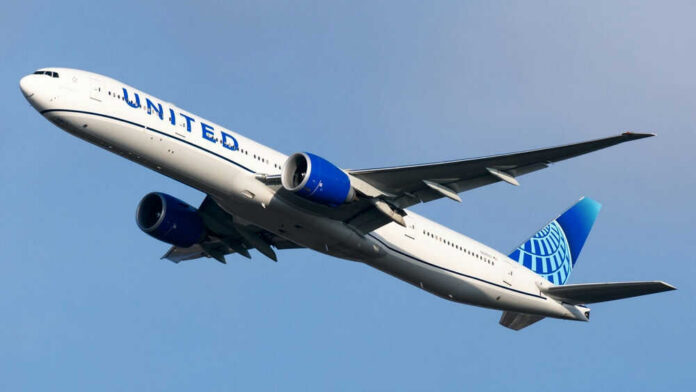
United Airlines reported a widespread system outage that halted many departures on November 16. The airline said its teams were working to get operations back up as soon as possible and asked travelers to watch for updates and be patient. United described the issue as affecting flights waiting to take off, not flights already in the air. The airline also said United Express flights were not impacted. Newsrooms confirmed United’s “systemwide” or “widespread” description during the event.
BREAKING: United Airlines is experiencing an outage preventing flights from departing, marking yet another major airline disruption.
Passengers are reporting delays, with at least one plane returning to the gate because crews couldn’t access critical performance data.
At LAX,… pic.twitter.com/Ql1JFLiVnr
— Fox News (@FoxNews) November 16, 2026
Airport operations felt the strain as departure boards stacked with delays. Some crews could not move flights without core data and dispatch clearances that depend on software. That is how aviation works today: planes already airborne keep going on their filed plans, while new departures wait for many system checks. Those checks need working tools at the gate. When those tools fail, jets sit, fuel burns in the air-conditioning, and tempers rise.
What “systemwide” means when software runs the schedule
“Systemwide” in this case refers to the reach across United’s operations, not a meltdown of every tool at once. An airline’s day depends on many linked systems: crew scheduling, weight and balance, maintenance releases, baggage, and departure control. Break one link that gates a legal pushback, and many flights stop in place. Flights already airborne keep moving because they have approved plans and fuel. Departures need current numbers and clear steps before they can go.
United told customers that flights already in progress continued normally and that the problem did not extend to United Express operations handled by regional partners. That claim sets a clear boundary of impact. Reporters on the ground focused on what travelers saw: planes waiting, lines growing, and staff giving limited details while tech teams worked the problem. The airline did not share a cause or an exact timeline in its first notes to the public.
Timing raised eyebrows after the Federal Aviation Administration ground stop
The outage landed just days after the Federal Aviation Administration ordered a rare nationwide ground stop that tied up airports for hours. That timing fueled attention and pressure. United’s issue, though, came from the airline’s own technology stack, not the federal network that feeds flight plans and traffic control. Early coverage linked the events by calendar, not by cause, because United had not named a root problem at the time of its statement.
Just days after a nationwide ground stop threw travelers, airlines and airports into chaos, United Airlines suffered an hour-long outage Monday, triggering a new wave of concern. The airline said it was not a cyberattack.
Still, as the Thanksgiving travel rush gets underway, the… pic.twitter.com/hKeWvk9rb8
— CBS Mornings (@CBSMornings) November 17, 2026
Travelers judge outcomes more than causes. United apologized and told customers it was on it, which is the right first step when screens go dark. Still, clear numbers help close the loop: how long the outage lasted, how many flights were delayed or canceled, and when the last straggler got out. That data turns a bad day into a lesson plan. It shows what failed, what worked, and how the airline will harden the weak link before the next busy weekend.
Why this matters for anyone who flies
Air travel runs on “tight coupling,” where many steps must line up in order. That design delivers scale and speed, but it also creates choke points. One balky app can freeze a big hub. The fix is not mystery or magic. Operators need tested backups, simple failover steps, and leaders who share plain facts fast. That approach fits common-sense priorities: keep people safe, keep them moving, and tell them the truth when plans change.
United’s quick acknowledgment, the focus on departures, and the assurance about flights in the air offered useful guardrails. The airline signaled control and avoided panic. The next test is post-incident clarity. A short, public after-action note that covers the trigger, the fix, and the safeguards would help travelers and crews alike. It also sets a standard across the industry during a season when every minute at the gate carries a cost.
Sources:
insiderpaper.com, ms.now, dispatch.com, cbsnews.com, abc7chicago.com