

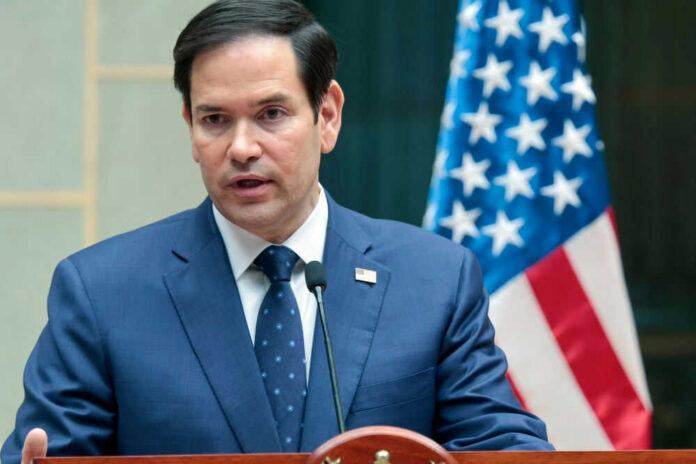
Standing on the Pnyx facing the Acropolis, Secretary of State Marco Rubio urged the West to recover confidence, renew shared values, and pursue national power without apology.
Story Snapshot
- Rubio delivered a civilizational address in Athens linking ancient roots to modern policy.
- He called for the unapologetic pursuit of national power paired with democratic self-rule.
- He pressed for allied unity on defense, supply chains, and technology leadership.
- He cast Greece as a model ally and stage for Western renewal.
Athens Setting Turned Message Into a Policy Signal
Rubio chose the Pnyx at sunset, across from the Acropolis, to frame his appeal as a return to first principles. He tied Athens, Rome, Christianity, and the American founding into one line of inheritance that shaped the West’s rise. He argued that this heritage demands strength, civic duty, and moral clarity today. The setting was not theater; it was a cue that policy would follow from identity. Wire services reported the civilizational theme and the aim to rally allies.
Rubio linked values to concrete goals. He urged allies to rebuild industrial capacity, secure energy, and onshore critical supply chains. He pushed for larger and smarter defense investment, faster weapons production, and tighter alliance coordination. He said national strength can serve democratic freedoms rather than threaten them. The point landed as a contrast to years of drift. Coverage summed up the thrust as “choose national power or accept decline,” a stark fork that simplifies choices for leaders.
Why This Speech Lands Now
Europe faces a grinding war in Ukraine and rising costs. The United States confronts long contests with major powers and daily tests from regional threats. Voters see border strain, crime, and weak growth, while supply chains still wobble. Leaders often bundle these problems into a story about civilizational stamina to build consent for action. Rubio leaned into that pattern to anchor a package: rearm industry, deepen energy links, upgrade deterrence, and rally the cultural will to do it.
American conservatives will hear a familiar cadence. Peace through strength. Local control over destiny. Pride in national story matched to duty. The argument says a confident nation protects families and freedoms best when it leads with clear purpose and firm power. It also says alliances work when each member carries weight at home. That lens fits a common-sense view: if you want safer streets, stable prices, and secure borders, you need resilient factories, reliable energy, and a strong military.
Greece Cast as Example and Platform
Rubio praised Greece as a model ally that invests in defense, hosts key bases, and aligns on regional security. That praise had a function. It showed how shared history can guide shared action now. By lifting up Greece on that hill, he prodded other allies to match pace. The symbolism felt earned: a democratic cradle hosting a call for democratic grit. Greek and regional outlets highlighted defense ties and the speech’s focus on a Western “renewal”.
A leaked diplomatic cable reportedly shows Marco Rubio ordering U.S. embassies to bar certain people from entering the U.S. over speech-related reasons.
Hours later, Rubio spoke at the Acropolis celebrating “free debate and public discussion.”https://t.co/aTPEg2EA1E
— Derek Khanna (@DerekKhanna) October 8, 2026
The policy asks were plain. Spend more on defense with real timelines. Move key production home or to trusted partners. Speed permitting for energy and industry. Coordinate export controls and research so rivals cannot exploit gaps. These steps track with an alliance that wants reliability over short-term bargains. They also test civic patience. A public that sees results—steady grids, lower risk, decent jobs—will likely back them. That feedback loop is the bet behind the Athens script.
The Case for Strength With Restraint
Rubio’s line that national strength and self-government fit together pushes back on a false choice. He argued that free nations can be firm abroad and still guard the rights of the citizen. The key is purpose tied to consent. That view aligns with the conservative habit to set limits, define interests, and avoid vague missions. It is not isolation; it is focus. If leaders keep that balance, they can deter aggression, defend borders, and keep faith with voters at home.
Sources:
cbsnews.com, ekathimerini.com, abcnews.com, knews.kathimerini.com.cy