Kamala Harris called President Trump’s media ban “absolutely abhorrent,” and the clash now heads to court.
At a Glance
- Trump banned CNN, MS NOW, and Politico from the White House, citing “fake news.”
- Reporters from those outlets were denied entry and had passes seized.
- The outlets sued, calling the move unconstitutional retaliation.
- Sen. John Barrasso defended the ban as a fairness response to biased coverage.
What Trump Announced And How It Was Enforced
President Trump said on Sept. 18, 2026, that CNN, MS NOW, and Politico were banned from the White House because of what he called constant “fake news” coverage. He framed the decision as a stand for honest reporting and against bias.
The White House followed through the next day. Reporters from the three outlets were turned away and had their press credentials taken, confirming the ban was active, not rhetorical. The outlets then began planning legal action to restore access.
The administration’s explanation focused on coverage, not security or space limits. Trump and allies argued the outlets published slanted stories that harmed Republicans and misled the public.
Senator John Barrasso echoed that case, saying the press must report fairly and pointing to past media errors. The president also said Politico received millions from the prior administration, raising conflict questions. He did not cite a specific triggering article or a formal policy standard behind the exclusions.
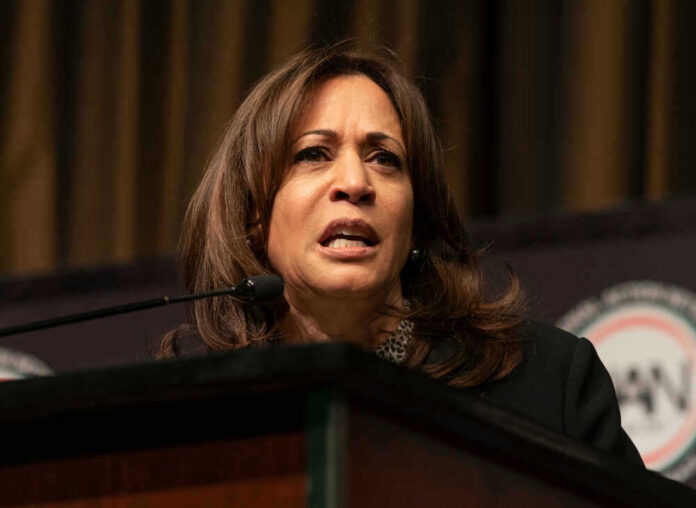
Former Vice President Kamala Harris shares thoughts on Trump's ban of news outlets from the White House after an event with Abdul El-Sayed in Detroit Tuesday:
"It's absolutely abhorrent." Video by David Guralnick, TDN. https://t.co/XzS52wg7aq pic.twitter.com/woOw7tvBsR
— The Detroit News (@detroitnews) September 23, 2026
The Lawsuit And The First Amendment Framing
CNN, MS NOW, and Politico sued in federal court to overturn the ban and regain access. Their complaint says the White House retaliated against protected reporting and discriminated based on viewpoint.
The outlets argue that once the government opens its doors to routine press coverage, it cannot shut them to certain organizations because of what they publish. They want a court order restoring access and a ruling that the ban violates the First Amendment’s core protections.
Courts have long warned the government against viewpoint discrimination in access to press facilities. Legal experts quoted across coverage say the ban faces tough odds because Trump tied it to negative coverage rather than neutral rules.
The administration has not released a written policy or due process path for appeal. That vacuum increases legal risk and public doubt. Judges will weigh the White House’s control over its grounds against constitutional limits on punishing speech.
Harris’s Rebuke And Common Sense Tests
Harris condemned the ban as “absolutely abhorrent,” aligning with groups that see it as a direct attack on a free press. Her stance fits the lawsuit’s core claim: government should not decide who reports the news.
If outlets make repeated, specific errors, accountability is fair. But accountability must rest on clear standards, spelled out in advance, and applied to everyone the same way.
Fairness means rules, not spur-of-the-moment punishments. A transparent press-access policy could pass a common-sense test. It would define neutral grounds for suspension, list examples, require notice, and allow an appeal.
That is how schools, teams, and even small town halls manage access without stepping on rights. Without that, any ban looks like payback for coverage. Courts and the public tend to reject payback. That is why the legal challenge moved fast and drew wide support.
What To Watch Next
Three things will decide the outcome. First, what the court says about viewpoint discrimination in the White House setting. Second, whether the administration can show written standards and consistent enforcement that do not hinge on coverage content.
Third, whether the plaintiffs prove their badges were pulled because of what they published, not how they behaved. If the court follows recent patterns, the ban likely gets rolled back, at least until a clearer policy exists.
Sources:
cnbc.com, cnn.com, yahoo.com, lawcommentary.com