

A Florida man says beef, salt, and water erased the pain that ruled his life—and he has the before-and-after to prove it.
Story Snapshot
- Stephen Lashbrook says an all-meat “lion diet” cleared severe psoriasis and ended depression.
- He reports relief after committing on Jan. 1, 2024, following years of failed treatments.
- Doctors caution that testimonials do not make a medical cure and warn of risks.
- The lion diet is ruminant meat, salt, and water—nothing else.
A personal turnaround with specific claims and dates
Stephen Lashbrook, a 50-year-old from Florida, says psoriasis once covered most of his body and that joint pain and depression shadowed him for decades.
He described suicidal thoughts and years of trying drugs that did not deliver lasting relief. He then cut sugar and grains. On January 1, 2024, he committed to the lion diet. He told Fox News Digital that suicidal thoughts stopped, his mood lifted, and his skin cleared after the shift.
Man says meat-only 'lion diet' cleared psoriasis covering 90% of his body, ended decades of depression https://t.co/tXXeWQzagv
— Inspector Clueso (@IClueso) September 17, 2026
Lashbrook has repeated the account on podcasts and videos. He frames his choice as a last resort after he refused more immunosuppressive shots. He credits faith, fasting, and fatty meat for the change.
Hosts present his story as radical simplicity beating complex regimens. That pitch resonates with people who feel stuck and over-medicated. But it remains his story, not a trial with labs, scans, and blinded scores.
What the lion diet demands—and why some try it
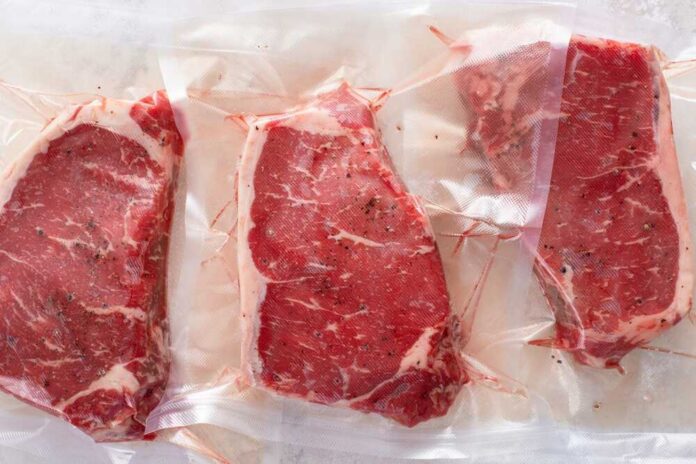
The lion diet allows only ruminant meat, salt, and water. No vegetables, fruit, grains, dairy, eggs, poultry, pork, oils, or spices. Supporters describe it as a hard reset for the immune system.
The idea is to strip out likely triggers, then slowly reintroduce foods, watching for flares. Advocates claim skin conditions like psoriasis can improve in weeks to months, which matches Lashbrook’s timeline and message to others who suffer.
The draw is clarity. Many people can follow three rules better than twenty. Hunger tends to drop on high protein and fat. The grocery list is short. The rules are simple: buy beef, add salt, drink water, repeat.
For someone who has bounced across plans and pills, that can feel like the first clean win in years. The simplicity is the selling point and the main warning sign at once.
What doctors and major clinics say about evidence
Medical voices push back on the hype. A New York City internist said that feeling better after cutting sugar and ultra-processed food does not prove the carnivore or lion diet treats psoriasis or other chronic disease. He warned people to focus on long-term health, not just quick changes.
Cleveland Clinic says the lion diet lacks clinical research and is not recommended, since most claims are personal stories, not controlled data. Healthline also notes no direct studies support it as a treatment.
A Florida man says he was 90% covered in psoriasis, battling depression since age 4 and on the verge of giving up — until he switched to an extreme "lion diet" of nothing but ruminant meat.
Stephen Lashbrook, 50, told Fox News Digital that within a week of committing to the… pic.twitter.com/FtvGGDdZTY
— Fox News Lifestyle (@FoxNewsLife) September 17, 2026
They also deserve straight talk about risk and tradeoffs. If a diet bans whole food groups, people should ask what nutrients go missing, how labs look at six and twelve months, and what the exit plan is if symptoms return.
Where diet and mood science actually lands today
Research on diet and depression shows mixed results. Some controlled trials report better depression scores after whole-diet changes. Reviews also flag low study quality, varied methods, and confounding factors.
Weight loss alone can lift mood, and people who change diet often change sleep, alcohol, and exercise at the same time. A fair reading says diet can help some people, but it is not a settled cure for depression on its own.
Psoriasis also waxes and wanes. Standard care measures skin scores over time, looks at triggers, and tracks inflammation markers. Elimination diets can help people identify trigger foods, but claims of fast, broad cures for autoimmune disease need clinical backing. Lashbrook’s report fits the kind of personal win that inspires others, yet it does not replace trials that test safety and durability across many patients.
Practical takeaways for readers weighing the leap
People in pain want control, not lectures. If you choose a strict elimination like the lion diet, work with a doctor who will order baseline labs, then recheck them.
Watch iron, folate, vitamin C, magnesium, and lipid profiles. Track symptoms and skin photos by date. If you reintroduce, add one new food at a time. If mood or skin worsens, pivot fast. Seek a plan that you can sustain, not a dare that burns you out.
The bottom line is simple. Lashbrook says meat, salt, and water gave him his life back, and he shares his story in detail and publicly. Major clinics and physicians say anecdotes are not evidence and warn of gaps and risks. Both can be true at once.
Use personal stories as signals to explore, not as orders to obey. Chase outcomes with your eyes open, your labs checked, and your long game in mind.
Sources:
foxnews.com, carnivore.diet, podcasts.apple.com, youtube.com, drbarbarajohnson.com, health.clevelandclinic.org