
Union organizers deliberately targeted Starbucks’ biggest holiday sales day to maximize disruption, launching strikes across 40 cities in a calculated move that exposes how organized labor continues to weaponize American businesses against their own success.
Story Highlights
- Starbucks Workers United strategically struck on Red Cup Day, the chain’s biggest holiday sales event.
- Over 1,000 baristas in 65+ stores participated despite the union representing only 4% of the total workforce.
- Strike threatens critical holiday season recovery under new CEO Brian Niccol’s turnaround plan.
- The company offers $30+ hourly average compensation, while the union demands escalate beyond wages.
Union Targets Peak Sales Day for Maximum Impact
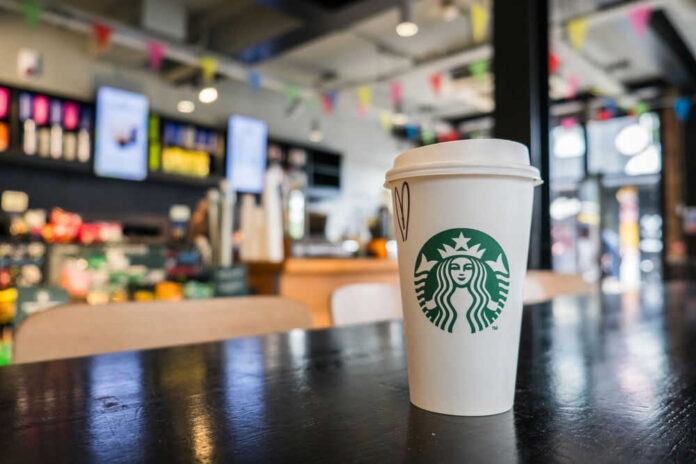
Starbucks Workers United launched coordinated strikes across at least 40 cities on November 13, 2025, deliberately timing the action for Red Cup Day, one of Starbucks’ most profitable sales days.
The union mobilized over 1,000 baristas from more than 65 stores in an open-ended strike designed to disrupt the coffee chain’s crucial holiday season operations.
This calculated timing reveals the union’s strategy of prioritizing economic damage over genuine negotiation, targeting the exact moment when American consumers traditionally celebrate the holiday season.
*STARBUCKS WORKERS UNION LAUNCHES STRIKE IN AT LEAST 40 CITIES ON CHAIN'S KEY HOLIDAY SALES DAY$SBUX pic.twitter.com/ImTF0GWwbL
— Investing.com (@Investingcom) November 13, 2025
Small Minority Threatens Company-Wide Operations
Despite representing only 4% of Starbucks’ workforce, Workers United claims to speak for more than 12,000 workers across 550+ stores, though company records show the union actually represents 9,500 workers at 550 locations.
The disparity highlights how union leadership inflates membership numbers while a tiny fraction of employees disrupts operations for the remaining 96% of workers who chose not to unionize.
This minority-driven activism threatens the livelihoods of thousands of non-union employees who depend on strong holiday sales for job security and advancement opportunities.
Generous Compensation Package Rejected by Union Leadership
Starbucks currently provides what the company describes as “the best job in retail,” offering more than $30 per hour on average in combined pay and benefits for hourly employees.
The company reached more than 30 tentative agreements on contract articles during months of good-faith bargaining before union representatives walked away from negotiations in late 2024.
Union delegates voted down Starbucks’ economic package in April, despite the competitive compensation already exceeding many retail industry standards and providing substantial benefits packages rarely seen in similar positions.
Strike Threatens Critical Business Recovery Under New Leadership
The work stoppage directly undermines CEO Brian Niccol’s turnaround strategy during Starbucks’ most important sales period of the year.
The company recently broke a nearly two-year streak of same-store sales declines, showing promising signs of recovery that union actions now jeopardize.
Holiday season performance traditionally provides crucial revenue boosts that fund employee benefits, store improvements, and expansion opportunities. While past strikes affected less than 1% of stores, this escalated campaign threatens broader economic stability for all stakeholders during a critical recovery phase.
Union Escalates Rhetoric Despite Company’s Open Door Policy
Michelle Eisen, Starbucks Workers United spokesperson, declared “No contract, no coffee” while threatening to make this the “largest, longest strike in company history.”
This aggressive posturing contrasts sharply with Starbucks’ repeated invitations for unions to return to negotiations, with company officials stating they remain “ready to talk” and believe they “can move quickly to a reasonable deal.”
The union’s preference for public confrontation over private negotiation demonstrates how modern labor organizing prioritizes media attention and political theater over practical solutions that benefit workers and consumers alike.