
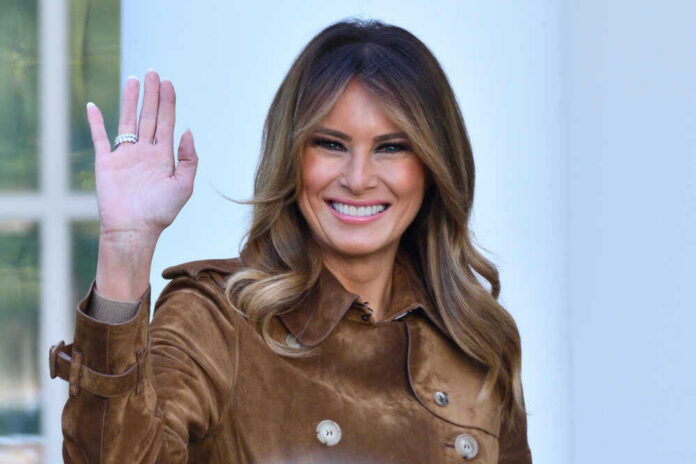
Guns went quiet in one Ukrainian town after First Lady Melania Trump’s office said she helped broker a local ceasefire—and both sides said, yes, it started.
Story Snapshot
- The White House credited Melania Trump and her representative with shaping terms for a localized truce in Oleshky.
- Russian and Ukrainian officials announced synchronized halts in firing, confirming a pause took effect.
- Ukrainian negotiator Dmytro Lubinets described a three-step plan: ceasefire, aid delivery, evacuations.
- Reports differ on the start date, creating confusion about the formal timeline.
What happened, when it started, and why Oleshky mattered
The White House said First Lady Melania Trump and a representative worked with Russian and Ukrainian leaders to set a localized ceasefire in Oleshky, a Russian-occupied city on the Dnipro’s left bank. Russian and Ukrainian officials each announced firing would stop, and reports said the pause took effect in late October. The plan aimed to open a safe route for aid and civilians. The focus on one city fit a common pattern in wars: start small, test trust, and move people out of danger.
Ukrainian human rights ombudsman Dmytro Lubinets said the arrangement had three stages. First, both sides would hold fire. Next, aid would enter. Finally, evacuations would proceed along a designated corridor. Russian announcements aligned with a halt in shelling toward Oleshky, and Ukrainian officials posted the start time as 3:00 a.m. in Kyiv on October 27. That public synchronization from both sides signaled more than talk. It showed orders moved down the chain to units with guns.
How the plan said it would work on the ground
The White House said non-military teams from both countries would visit residents, assess needs, and help people choose evacuation to Ukraine or to Russia. The statement described a safe passageway, aid logistics, and documentation by a media organization that was not named. Those details matter. Ceasefires do not work by magic; they work by schedules, maps, and phone calls that keep units separated and buses moving. The promise of cameras added pressure to follow the rules, even if the outlet remained unnamed.
The announcement also tied the pause to a clear humanitarian goal. It was not a vague “cooling-off period.” It was a corridor to move food in and families out. That design reflects lessons from past conflicts. Short, local pauses can save lives without forcing either side to sign a grand bargain. When built around tangible tasks—convoys, manifests, pickup points—they stand a better chance of holding for the hours that count.
Competing timelines and the credit question
Reports left a wrinkle on timing. The White House and the United States Embassy statement pointed to October 29, but Russian and Ukrainian officials marked the halt on October 27. That gap leaves open whether the earlier pause was the first stage or a parallel military order that fed into the later humanitarian push. The facts support that a pause began and that key officials on both sides recognized it, but the formal document trail is not public yet.
Attribution also drew debate. A Ukrainian official cited a longer process that included Melania Trump and Pope Leo XIV, suggesting multiple channels shaped the outcome. That view does not dispute that Melania Trump engaged; it argues she was part of a wider set of efforts. On the merits, shared credit fits how real deals land: many hands, mixed incentives, and a window that opens only when all parties see value in a pause.
What holds up under scrutiny—and what still needs proof
Three things stand on solid ground. First, the White House credited Melania Trump for direct involvement and outlined operational steps. Second, Russian and Ukrainian officials confirmed corresponding halts in fire and signaled start times that matched a localized truce. Third, Ukraine’s named negotiator described specific humanitarian mechanics rather than slogans. These claims draw from named institutions and accountable officials, which aligns with basic standards of public verification.
Two things remain open. The signed texts and annexes have not been released, and the unnamed media group has not been identified. Those gaps limit independent review of who promised what, when orders were issued, and whether aid and evacuations matched the plan. Sensible next steps would include publishing the agreements, call logs, and route records. That is not busywork; it is how you turn an encouraging pause into a template other towns can copy without starting from zero.
Why this matters beyond one city
The ceasefire’s core claim aligns with common sense and American conservative values: save civilians first, use leverage to stop the shooting, and judge results by what rolls on the road, not by speeches. A tight, local deal can cut through stalemate because it asks less pride and gives each side a face-saving win. If Oleshky moved aid and families with minimal shelling, that is the kind of quiet success worth scaling—documented, measured, and repeatable.
Sources:
apnews.com, bbc.com, cnn.com, cnbc.com, abcnews.com, people.com