America’s beef supply just hit a wall, and the lines at the meat counter will feel it for years.
Story Snapshot
- Tyson will close beef plants in Illinois and Utah and seek a sale in Washington amid a historic cattle shortage.
- The company will center beef operations around three core plants in Nebraska, Kansas, and Texas.
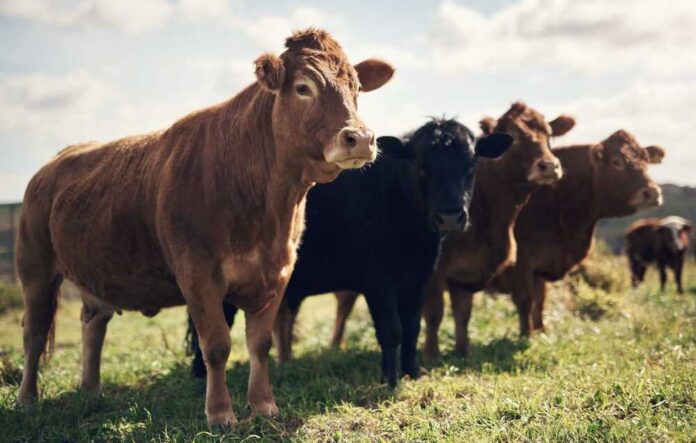
- United States cattle herds sit near a 75-year low after years of drought and limited heifer retention.
- Tight supply has driven losses in Tyson’s beef unit and higher prices for shoppers.
Tyson’s Reshuffle Puts The Shortage In Plain View
Tyson Foods said it will shut its Joslin, Illinois beef plant and its Eagle Mountain, Utah case-ready facility, and pursue a sale of its Pasco, Washington beef plant. The company framed the moves as a reset to match one of the most severe cattle shortages in modern history.
Tyson will anchor its beef business around plants in Dakota City, Nebraska; Holcomb, Kansas; and Amarillo, Texas, where cattle supply is closer and more consistent. That footprint should cut fixed costs and reduce long hauls of scarce cattle.
Management did not dress it up. They pointed to fresh United States Department of Agriculture data showing limited heifer retention, a sign that ranchers are still not rebuilding their herds. Tyson warned that supply constraints will persist.
The company has absorbed steep beef losses this year, even as retail prices remain high. Its beef segment posted a quarterly operating loss of $138 million in the latest period as volumes fell and cattle costs stayed high.
Why The Cattle Pipeline Ran Dry
The United States cattle herd has fallen to levels not seen since the 1950s after years of drought scorched grazing land across the Plains and West. Ranchers culled animals rather than keeping heifers to breed, thereby shrinking future supply. Feedlots then had fewer cattle to market to packers.
Processors, including Tyson, paid more to secure animals, which squeezed margins and forced hard choices on capacity. Reuters reported that executives are losing sleep over cattle supplies, which shows how deep the pressure runs.
The industry has been here before, and the playbook is familiar. When cattle numbers slide, slaughter plants run under capacity. Fixed costs do not shrink when pen counts do. Companies then close, idle, or sell facilities and concentrate on the best-located plants until the herd recovers.
University of Nebraska specialists described Tyson’s earlier shutdown in Lexington, Nebraska, in the same light: right-sizing to fit a leaner cattle cycle and use remaining capacity more effectively. That is not a scandal; it is basic operations in a cyclical business.
What Shoppers, Workers, And Ranchers Should Expect Next
Grocery shoppers will not see empty shelves, but they should expect stubbornly high prices. Less cattle means less beef. Even if demand cools a bit, the supply side is tight. Tyson’s volume dropped while average pricing rose, a pattern likely to continue if the herd stays small and feed costs remain high.
Label games will not beat math. Substituting chicken or pork can help a family budget, but brisket and ribeye lovers will still face sticker shock during this shortage.
Tyson Foods Restructures Beef Operations Amid Historic Cattle Shortage
Tyson Foods, the largest U.S. meatpacker, announced on August 13, 2026, that it will close two beef facilities and pursue the sale of a third as it scales back its processing footprint in response to one of…
— JimWooddell 🦌🥩 (@wooddell_jim) August 16, 2026
Workers at the closing plants will bear the brunt. Local news clips already show concern in communities built around these facilities. The longer-term jobs picture will track the cattle cycle. If ranchers start holding back more heifers and pastures heal, the herd can grow. That rebuild takes time.
A calf born next spring does not reach a packing plant for roughly two years. Tyson’s own language says relief could be years away, not months. Rural towns should push for job placement, retraining, and fast permitting for new employers.
The Conservative Case For Fixing The Bottlenecks
Policy should focus on supply, not price controls. Past droughts show water and grazing resilience matter. States can streamline water projects, range restoration, and targeted fencing that help producers hold heifers and rebuild herds. Federal relief should cut red tape, not write permanent checks.
Transparent markets and more regional competition can also keep packers and producers honest without heavy-handed mandates. That approach respects landowners, rewards work, and treats beef like the vital food system it is.
Tyson’s reset reads as a practical response to harsh facts, not an excuse. The company named the plants, disclosed losses, and tied decisions to the clearing of supply data. Plants should run near full to earn a profit.
When the animals are not there, you tighten the belt and wait for the herd to return. Families, ranchers, and towns will all need patience. The grill will stay hot, but the price of beef will keep reminding us why supply still rules.
Sources:
foxbusiness.com, tysonfoods.com, usatoday.com, finance.yahoo.com, fool.com, investing.com, reuters.com