United’s new checked-bag fees are a reminder that when global conflicts drive up fuel costs, everyday Americans often get the bill—one “small” add-on at a time.
Quick Take
- United Airlines raised standard checked-bag fees for tickets bought on or after April 3, 2026, ending a two-year pause on increases.
- The first checked bag is now $50 ($45 if prepaid), and the second is $60 ($55 if prepaid), pushing families and leisure travelers into higher trip costs.
- United is the second major U.S. carrier to hike bag fees in the same week, after JetBlue, signaling broader industry pressure.
- United kept free-bag perks for elite members, some credit card holders, active military, and premium-cabin passengers—shifting more cost onto price-sensitive travelers.
United’s New Bag Fees: What Changed and Who Pays
United’s updated checked-bag pricing applies to tickets purchased on or after April 3, 2026, and raises costs for travelers who don’t qualify for waivers. The standard first checked bag is now $50, or $45 when prepaid at least 24 hours before departure.
The standard second checked bag is now $60, or $55 when prepaid. United also increased pricing for additional bags, including a larger jump for the third checked bag.
United’s structure still depends on where you’re flying, what fare you bought, and whether you hold status or an eligible card. That tiered system matters because it separates customers who can avoid fees from those who can’t.
In practice, frequent flyers and premium travelers often keep perks, while occasional travelers—especially families checking multiple bags—feel the full impact immediately when planning a trip budget.
Fuel Costs, Iran Conflict, and Why Airlines Prefer Fees Over Fares
Reports tying the hike to rising jet-fuel costs point to a broader reality: airlines are unusually sensitive to energy price swings because fuel is a major operating expense.
When oil prices rise amid geopolitical stress, carriers generally face three options—absorb the hit, raise base fares, or increase add-on charges. Industry coverage describes a global run-up in oil prices linked to Middle East instability, with international carriers already leaning on fuel surcharges.
CHECK BAG FEES: Two more airlines have announced increased checked bag fees due to high fuel prices amid the war in Iran.#News12 #CheckedBagFees #DeltaAirlines #SouthwestAirlines #TravelNews https://t.co/yIXegbmZQ0 pic.twitter.com/XSOz8a0KJ9
— News12BX (@News12BX) April 8, 2026
The baggage-fee approach is not just accounting; it changes how consumers experience inflation. A fare increase is visible upfront, but ancillary fees can arrive later in the booking process, turning “reasonable” ticket prices into higher totals.
For voters already frustrated by cost-of-living pressures, this pattern fits a familiar problem: households are asked to adapt and “shop smarter,” while large institutions reprice necessities in ways that are hard to compare and even harder to avoid.
A Fast-Moving Industry Shift After JetBlue’s Increase
United’s move came right after JetBlue raised checked-bag fees earlier in the same week, and that timing matters. When multiple carriers move together, travelers have fewer alternatives, and price competition weakens—especially on routes dominated by a few major airlines.
Industry observers have suggested other carriers may follow, which would effectively reset what Americans should expect to pay for the basic act of traveling with luggage.
Who Still Gets “Free Bags,” and Why That Fuels Public Frustration
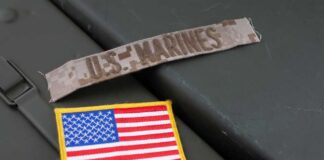
United preserved free checked-bag privileges for select groups, including MileagePlus Premier elites, certain cardholders, active-duty military, and many premium-cabin customers. That decision protects high-value segments, but it also intensifies the feeling that the system is built for insiders.
In an era when many Americans—right and left—believe institutions cater to the connected, the optics are tough: the more status you have, the less the “fuel shock” seems to touch you.
For travelers who can’t dodge fees, the practical response may be carry-on-only packing, prepaying bags to shave a few dollars, or reconsidering which airline gets their business. Policy-wise, there’s a larger takeaway: when global instability and energy costs rise, consumers get squeezed regardless of who controls Washington.
The available reporting doesn’t verify claims that fuel prices “nearly doubled,” but it does show airlines treating fuel pressure as a reason to raise charges that hit ordinary travelers first.
Sources:
United Airlines Raises Checked Bag Fees by $10 Amid Rising Fuel Costs
United Airlines raises checked bag fees for travelers