A seasoning jar on your pantry shelf just became a case study in how a single upstream ingredient can trigger a nationwide recall with zero reported illnesses.
Story Snapshot
- Blackstone voluntarily recalled select lots of its Parmesan Ranch seasoning due to a potential Salmonella risk associated with recalled dry milk powder [1].
- The recall lists exact lot codes and best-by dates and spans Walmart stores nationwide and Blackstone’s website [1].
- No illnesses have been reported; the action reflects precautionary risk management, not confirmed contamination of the finished product [1].
- Media coverage amplified awareness while relying on the Food and Drug Administration (FDA) framing and supplier linkage [2].
What triggered the recall and how it rippled to your pantry
The Food and Drug Administration reported that Blackstone Products recalled specific lots of its Parmesan Ranch seasoning because the product may be contaminated with Salmonella, and the recall was triggered by a supplier recall of dry milk powder from California Dairies, Incorporated [1].
Blackstone’s seasoning used that milk powder through a third-party manufacturer, creating a plausible contamination pathway that regulators expect companies to treat seriously and fast [1]. That is how a single upstream flag can pull retail product nationwide within days.
Blackstone seasoning blend recalled over possible salmonella contamination https://t.co/KXjIOr4EhM
— FOX Business (@FoxBusiness) May 17, 2026
The FDA notice precisely named the product—Blackstone Parmesan Ranch 7.3 ounce, item 4106—and specified three lot codes with corresponding best-by dates, establishing a bounded universe of risk rather than a vague, open-ended scare [1].
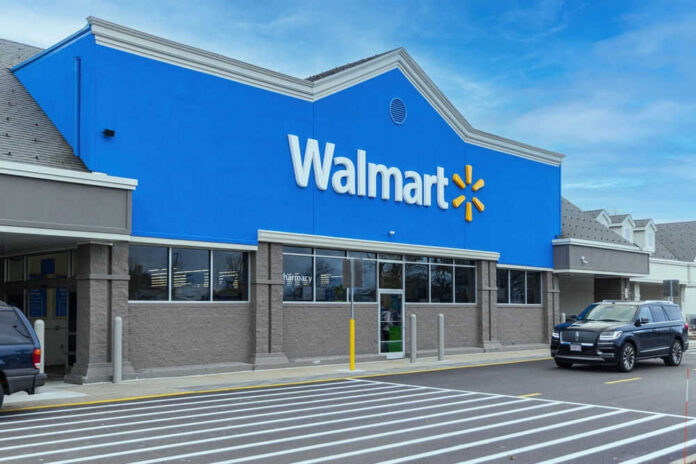
Those lots were sold nationwide at Walmart stores and through Blackstone’s website, a distribution footprint large enough to merit a clear, public directive: do not consume the affected product and dispose of it immediately [1]. That instruction is the government’s way of collapsing debate; when in doubt, remove exposure and argue about details later.
What is known, what is not, and why that matters
The FDA stated no illnesses had been reported at the time of the recall, which situates this action firmly in the preventive category rather than a post-harm scramble [1].
The public record does not show lab results confirming Salmonella in the finished seasoning, nor does it map ingredient-lot custody through each recalled seasoning lot [1].
Coverage from outlets echoed the supplier-linked risk and the recall scope but did not present testing data for the finished product, keeping the evidence base precautionary rather than conclusive [2]. That gap reflects the reality of modern recall more than scandal.
Food-safety playbooks tell companies to move on credible upstream risk, because speed protects consumers and reduces downstream chaos if positives later emerge.
That approach aligns with stewardship: act decisively when contamination cannot be ruled out, especially with a pathogen known to cause severe illness in children, the elderly, and those with weakened immunity.
Consumers benefit from a system that admits uncertainty and prioritizes removal over reassurance theater, even if media headlines compress “possible contamination” into “contamination” [1][2].
How to read lot codes, act now, and avoid overreacting later
Consumers who own the named seasoning should check the label for the Blackstone Parmesan Ranch 7.3-ounce identifier and compare their lot and best-by dates to the three specific codes listed by the FDA; if there is a match, the instruction is simple: do not eat it and throw it out [1].
The FDA notice provides a consumer phone line for replacement or information, which indicates operational acceptance of responsibility and a remedy pathway that respects your time and your wallet [1]. Keep your receipt or take a photo of the label before disposal if you plan to seek a replacement.
RECALL: Some lots of “Blackstone Parmesan Ranch” seasoning sold at Walmart are being recalled due to possible salmonella contamination. (Photo: FDA) Tap the link for more on the affected products: https://t.co/ZP5UjetbRU pic.twitter.com/W6lBaV7hr2
— WPRI 12 (@wpri12) May 16, 2026
Kitchen routines deserve a quick tune-up. Separate high-moisture items from dry seasonings during prep, wipe spice lids, and store blends airtight; while none of this neutralizes a contaminated product, it reduces cross-contact in edge cases.
When recalls hit, rely on primary notices for specifics, not social snippets that may blur “potential” with “proven.” In this case, the hard edges are clear: defined lots, nationwide channels, a supplier-linked risk, zero reported illnesses, and a directive to dispose of affected product while the supply chain resets [1][2].
Accountability without theatrics
Critics sometimes argue that precautionary recalls spook shoppers and punish brands for problems they did not create. That concern has merit when the evidence is thin and the communication is sloppy.
The counterpoint here is that Blackstone’s action is bounded by lot codes, tied to an identified upstream ingredient, and framed by the FDA’s standard stop-consumption guidance [1]. Media reports corroborate the distribution path and the supplier link without adding unverified claims [2].
That balance—fast action, specific scope, and no hype—reflects a food-safety culture that aims to protect first and litigate details second.
Sources:
[1] Web – Blackstone Products Recalls Parmesan Ranch Seasoning … – FDA
[2] Web – Blackstone seasoning recall hits Walmart stores over salmonella risk