
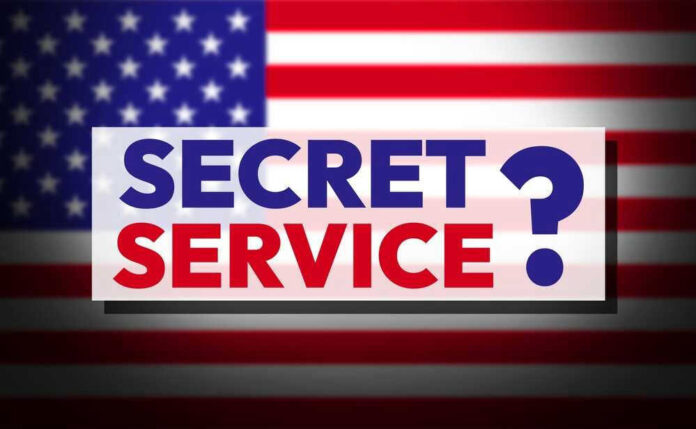
In a move that raises more questions than it answers, the Secret Service is facing renewed scrutiny over new details of the attempted assassination of President Donald Trump.
At a Glance
- Six Secret Service agents suspended for failures during assassination attempt on President Donald Trump
- Director Kimberly Cheatle resigned following the breach, taking “full responsibility”
- House task force found the incident was “preventable” and recommended sweeping reforms
Secret Service Suspensions: Accountability, or Just a Scapegoat Shuffle?
The Secret Service, an agency entrusted with the lives of America’s leaders, is once again in the spotlight, not for heroics, but for catastrophic failure.
After the July 13, 2024, assassination attempt on then-candidate Donald Trump in Butler, Pennsylvania, six agents were suspended without pay, their careers derailed for what the agency calls “failures” in preventing the attack.
Yet, the details remain shrouded in bureaucratic fog. The shooter, Thomas Matthew Crooks, accessed a rooftop perch and fired at Trump, wounding him and killing a firefighter before being neutralized by counter-snipers.
In the aftermath, Director Kimberly Cheatle resigned, taking “full responsibility” for the security collapse, though the public is left to wonder if this is genuine accountability or a well-rehearsed performance for the cameras.
The move to suspend both supervisory and line-level agents signals a broad sweep, but critics argue it’s more about optics than substance, with the agency refusing to clarify who failed and how.
The country is told, “Lessons will be learned,” but for Americans who still believe in the Constitution and expect basic competence from their government, this is cold comfort.
The six suspended agents now sit at home without pay for periods ranging from 10 to 42 days, given the right to appeal their suspensions.
The Secret Service, citing ongoing internal reviews, has been tight-lipped about the specifics, leaving the public and Congress in the dark.
The same bureaucracy that allowed a gunman to take aim at a presidential candidate promised reforms, with nearly a dozen recommendations from a House task force slated for implementation.
The report, released in December 2024, labeled the incident “preventable,” but stopped short of blaming any one individual, instead pointing to systemic issues.
For families who watched the chaos unfold on live TV, and for those who still believe government should answer to the people, this bureaucratic blame game is beyond frustrating.
A Legacy of Lapses and Eroded Trust
For all the talk of reform, this isn’t the first time the Secret Service has fumbled its most basic job.
Americans of a certain age will remember the 1981 Reagan assassination attempt, or the 2014 White House intrusion, both followed by handwringing and hollow promises.
The Trump rally debacle, however, was different, closer, deadlier, and unfolding in the glare of a polarized, volatile election season.
The attack’s aftermath saw the rapid resignation of Director Cheatle and a flurry of congressional hearings, but the central question remains: why wasn’t the shooter stopped before he ever took his shot?
Experts point to failures in pre-event security sweeps and perimeter control, warning that the Secret Service’s mission creep and resource constraints have eroded its effectiveness.
If America’s top protective agency can’t secure a presidential candidate at a campaign rally, what hope is there for the rest of us?
Public trust in the Secret Service is now at a historic low. The suspensions, rather than restoring confidence, have sparked further outrage.
Political candidates and officials now face heightened security concerns, while ordinary citizens are left to process yet another example of government agencies failing upward.
The operational disruptions from suspending multiple agents only add to the chaos, raising questions about whether the agency is truly equipped for its critical mission or if it’s just another bloated bureaucracy coasting on past glory.
The Real Cost: Security, Accountability, and the American Family
The broader impact of this debacle extends far beyond the Secret Service. Politicians and public officials were forced to reconsider the security of every public appearance.
Socially, the debate over security and transparency has only intensified, with partisan divides deepening as each side points fingers.
For conservatives committed to the rule of law, this episode is a grim reminder that government accountability is too often a punchline, not a practice.
Security experts, academics, and even the House task force agree: the incident wasn’t just a fluke, but a sign of systemic rot.
Calls for better intelligence sharing, site assessments, and a cultural shift within the agency abound, but until there’s real accountability, from the top down, Americans are right to remain skeptical.
After all, when the very agency tasked with protecting our leaders can’t protect them from a rooftop shooter in broad daylight, maybe the real threat isn’t just from outside, but from within the system itself.