
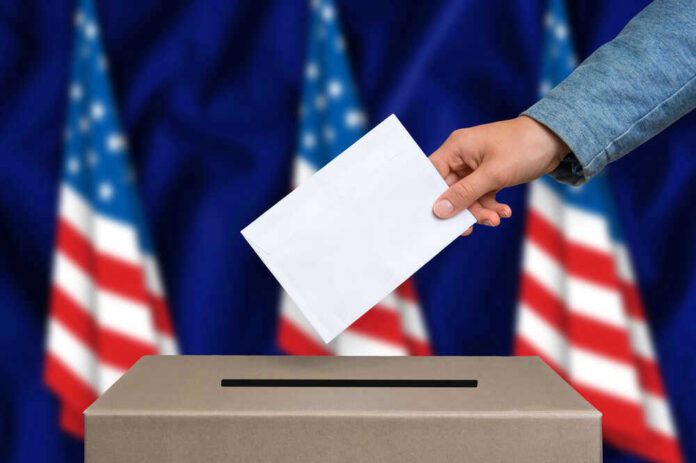
Two men convicted of orchestrating massive voter intimidation robocalls targeting Detroit residents received only probation, sparking outrage over a lenient sentence for what critics call a direct assault on constitutional voting rights.
Story Highlights
- Jack Burkman and Jacob Wohl were sentenced to just one year of probation for intimidating nearly 12,000 Detroit voters
- Robocalls falsely warned mail-in voters they could face arrest, debt collection, and forced vaccination
- Similar intimidation campaigns targeted swing states, including Pennsylvania, Ohio, and Illinois
- Michigan Court of Appeals confirmed the calls were “intentionally false” voter suppression tactics
Lenient Sentence for Serious Election Crimes
Jack Burkman, 59, of Arlington, Virginia, and Jacob Wohl, 27, of Great Falls, Virginia, received probation sentences after pleading no contest to multiple felony charges including voter intimidation and conspiracy.
The Michigan Attorney General’s office confirmed both men will serve one year of probation for crimes that targeted fundamental constitutional rights. The sentence appears surprisingly lenient given the scope and calculated nature of their voter suppression campaign across multiple states.
Michigan AG: Conservative fraudsters Jack Burkman and Jacob Wohl sentenced to 1 year probation after for targeting Detroit Black voters with robocalls to suppress their vote in 2020. They also pleaded guilty to charges in Ohio and paid a huge fines to New York and the FCC. pic.twitter.com/tFoQUvFEqD
— Malachi Barrett (@PolarBarrett) December 1, 2025
Widespread Intimidation Campaign Targeted Key Demographics
In August 2020, the duo orchestrated robocalls that reached nearly 12,000 Detroit residents with 313 area codes, delivering false warnings about mail-in voting consequences. The automated messages falsely claimed voters could face arrest, debt collection, and forced vaccination if they voted by mail.
Investigators revealed similar 30-second calls targeted voters in Pennsylvania, New York, Ohio, and Illinois, suggesting a coordinated effort to suppress voting in key swing states during the contentious 2020 election cycle.
Pattern of Election-Related Criminal Activity
This Michigan case represents part of a broader pattern of election interference by Burkman and Wohl. The pair previously pleaded guilty in 2022 to telecommunications fraud charges in Ohio for similar robocall schemes.
The Michigan Court of Appeals upheld the charges in 2024, specifically noting sufficient evidence proved the calls were “intentionally false.” Their repeated targeting of elections across multiple states demonstrates a systematic effort to undermine voter confidence and participation in democratic processes.
Constitutional Rights Under Attack
Michigan Attorney General Dana Nessel characterized the defendants’ actions as targeting fundamental voting rights through fear-based manipulation. While Nessel’s statement focused on alleged racial motivations, the broader concern centers on protecting constitutional voting rights from deliberate interference.
The case highlights ongoing vulnerabilities in election systems and the need for robust penalties to deter future attempts at voter intimidation.
Despite warnings about probation violations, many constitutional advocates question whether probation adequately addresses the severity of systematically targeting citizens’ voting rights across multiple states.