
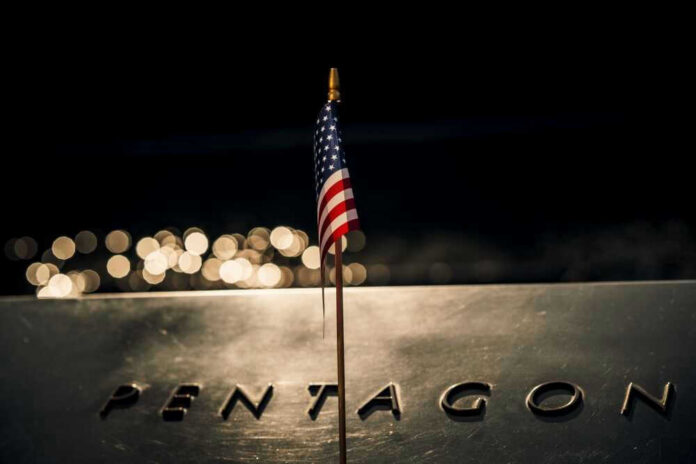
The Pentagon just told troops they cannot use any inside knowledge—classified or not—to bet on real-world events.
Story Snapshot
- A new memo bars troops from using nonpublic information on prediction markets like Polymarket and Kalshi.
- The memo warns that adversaries watch these markets for clues on U.S. plans.
- Violators face administrative penalties and possible criminal charges under military or federal law.
- A recent federal case alleges an Army soldier used classified details to place related bets.
Pentagon draws a bright line on insider betting
The Associated Press reported that Defense Secretary Pete Hegseth issued a directive that bans troops from using “both classified and unclassified but nonpublic information” to trade on prediction platforms, naming Polymarket and Kalshi. The memo’s plain message ties to operational security: “Our enemies watch movements in these markets,” Hegseth wrote, warning that price shifts can tip off plans or timelines. The order does more than scold. It outlines penalties that reach into the criminal code.
The enforcement section matters because it moves the policy from ethics to teeth. The memo says service members who violate the ban could face administrative punishment or charges under the Uniform Code of Military Justice or federal statutes. That language signals command backing and legal pathways to act. It also tracks with how prosecutors have already charged alleged insider betting in a separate case, showing the legal tools exist, from wire fraud to misuse of government information.
The case that raised the stakes
Federal prosecutors charged Army soldier Gannon Ken Van Dyke with using classified information tied to a planned operation to capture Nicolás Maduro to place prediction-market bets. The Justice Department said the soldier joined planning and execution work from early December 2025 through early January 2026 and wagered about $33,034 on related outcomes during that period. The government listed charges including theft of nonpublic government information, commodities fraud, wire fraud, and an unlawful monetary transaction.
The government’s filings describe a simple scheme with high upside. Hold classified details about a near-term action. Buy contracts that pay if that action happens by a date certain. If the plan goes forward, the market resolves and the bet pays. Prosecutors allege proceeds in the hundreds of thousands of dollars in connection with the conduct. Van Dyke has contested the charges in court, and an indictment is an allegation, not a conviction.
Why the Pentagon cares about price signals
Prediction markets claim to turn scattered knowledge into clean odds. That can be useful to analysts and the public. It can also create a billboard for people with inside access. A sudden surge in a contract tied to a military strike date does not prove a leak. But it can hint at timing and confidence. Hegseth’s memo warns that adversaries monitor these moves. A few traders using nonpublic details can shift prices enough to catch attention and invite probing.
Pentagon bans troops from betting using insider information
Hegseth announced the ban this past week in a memo titled “Do Not Compromise Military Operations for Personal Financial Gain.” The directive bars department members — civilian staff or uniformed troops — from using… pic.twitter.com/m0rtYK3hOo
— Armed Forces Press (@AFP_press) October 24, 2026
Operational security doctrine teaches to close little leaks before they become big tells. The directive follows that logic. It does not ban troops from reading markets or from making bets based only on public information. It bans using anything the public does not have. That standard aligns with American conservative values of order, discipline, and equal rules. A rifle squad should not risk a mission because a few insiders hunted a fast payout on a phone app.
Law already bites, but policy sets expectations
The Justice Department’s charging theory shows federal law can already punish misuse of confidential government information for personal gain, even outside traditional stock markets. Prosecutors can reach for wire fraud, theft of nonpublic government information, and commodities fraud when the facts fit. The Pentagon memo adds a clearer workplace rule. Commanders can act fast on violations without waiting for a grand jury, while still referring the worst conduct for prosecution.
Clear rules also help the many who want to do the right thing. Troops now have an easy test. If the public cannot see it, do not bet on it. If your duty gave you the detail, step away. That is common sense on a modern battlefield shaped by data trails, open-source sleuths, and fast-moving markets. Freedom to trade ends where duty of trust begins. The memo locks that boundary in place and leaves little room for gamesmanship.
What this means for markets and missions
Platforms like Polymarket and Kalshi sit in a gray zone between finance and wagering. They reward sharp reads of public facts, but they also tempt those with inside knowledge. The Pentagon cannot police every click, but it can deter the conduct that most endangers forces. The message is simple: protect the mission first, then the market. If that sounds strict, remember the stakes. A price chart should never preview a raid window or a hostage rescue plan.
The broader question about prediction markets will continue in courts, agencies, and academia. For now, the military side is settled. Troops who trade on secrets, or on any information the public does not have, risk careers and freedom. That may cool some action on a few contracts. It will also keep American units safer, which is the only market outcome that truly counts.
Sources:
abcnews.com, justice.gov, bbc.com