

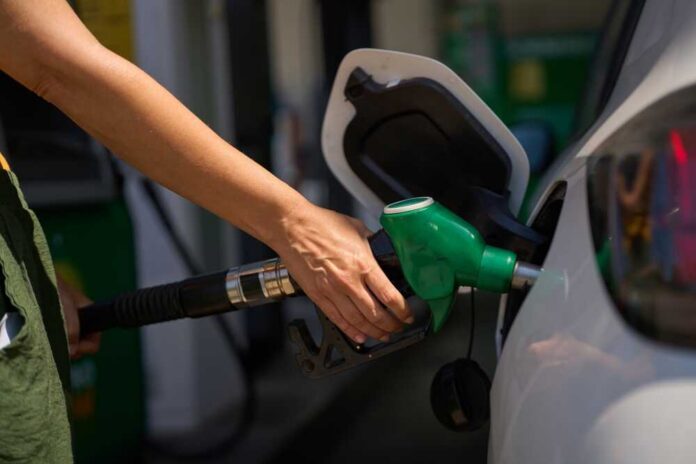
Americans pulled back on confidence as the price at the pump held above $4.
Story Snapshot
- Consumer confidence slid to a seven-month low as gas stayed above $4.
- AAA’s national average crossed $4 amid the Iran conflict and supply risks.
- Strait of Hormuz tensions pushed oil markets and retail prices higher.
- The jump from late February added more than $1 per gallon at one point.
Gas Above $4 Sets The Tone For Main Street
National average gasoline prices jumped over $4 per gallon as fighting intensified around Iran and key energy routes. Reporters tied the surge to risk and disruption around the Strait of Hormuz, a corridor that carries a large share of the world’s oil.
That push at the pump hit American wallets right away. The number on the corner sign is the price families see daily, and it shapes how they feel about the economy far faster than most indicators.
US consumer confidence fell in August to the worst since the start of the year as the Conference Board’s gauge of confidence decreased 0.8 points to 89.4 after a downward revision to the prior month.
Michael McKee breaks down the data https://t.co/UIpvGyizTu pic.twitter.com/1jJgBHsXLs
— Bloomberg TV (@BloombergTV) August 25, 2026
Major outlets tracked the same line in the sand: $4 and sticking. The Associated Press, Reuters, and others each reported the national average clearing the mark in late March and again in July as hostilities ebbed and flared.
That means the story was not a one-day blip, but a level that returned and lingered. Some states paid even more, while others were lower, but the headline national figure told a simple story that voters absorbed fast.
Conflict, Chokepoints, And Price Mechanics
Energy analysts pointed to how war risk moves prices from ship to pump. The Strait of Hormuz acts like a highway tollbooth for global oil. When traders fear fewer safe barrels, they bid crude prices up. Refiners pass some of that increase along. Retailers then adjust pump prices.
That chain can move within days. Markets focused on the strait’s flows and kept crude higher while leaders weighed strikes and counterstrikes in the region.
Reporters also noted the size of the jump after late February attacks. The national average rose by more than a dollar per gallon from that point at one stage, a leap that drivers felt right away.
That kind of move quickly changes travel plans, weekly budgets, and how people talk about the economy at the dinner table. Even if supply kept moving, the added risk premium alone can be enough to raise costs for everyone who drives to work or the store.
Confidence Slips As Households Reprice Reality
The Conference Board’s consumer confidence index fell to a seven-month low as gas stayed above $4, according to reporting on the group’s release. The same coverage tied weaker views to the higher pump prices during the conflict period.
Confidence surveys track how people feel about jobs, incomes, and buying plans. When filling the tank takes more cash, people often mark down their outlook, delay big purchases, and brace for more strain ahead.
Research and recent articles show a pattern that fits this moment. Retail gasoline prices hit consumers harder than crude moves alone because the effect is daily and visible. That is why the pump price often leads shifts in sentiment.
People also tend to expect today’s gas price to stick around, which can make the drag on confidence last even if crude eases a bit. The result is a fast feedback loop from global risk to local mood.
What This Means For Policy And The Next Mile
Leaders face a basic test when a distant war dents household budgets. Energy security is not an abstract topic when the checkouts are five miles from home and the commute is twenty. Policy that keeps fuel flowing, supports refinery uptime, and clears shipping risks can help.
So can straight talk about what government can and cannot control. Americans respect clarity, and they judge results by the price they pay each week.
Drivers also adapt. Families combine trips, shift to cheaper stations, or delay extra travel. But there is a limit to how much they can cut. Work, school, and daily life still require miles. That is why consumer confidence can turn before broader data moves.
When gas breaks through $4 and stays there, people feel squeezed and say so. If risk in the Strait of Hormuz fades and supply steadies, confidence can rebound almost as fast.
Sources:
forbes.com, reuters.com, cnbc.com, apnews.com, bushcenter.org